Temperature is a critical factor in selecting
carbon steel pipes for industrial piping systems. A pipe may meet size, wall thickness, and pressure requirements but remain unsuitable if its material is not designed for the actual operating temperature. Both high and low temperatures affect mechanical properties, toughness, allowable stress, and long-term reliability.
At elevated temperatures, carbon steel experiences reduced strength and allowable stress, with continuous exposure potentially accelerating material degradation. Low-temperature service presents different concerns, as some carbon steels become less tough and more susceptible to brittle fracture, making impact toughness and low-temperature testing critical for cold-region applications, LNG facilities, and cryogenic systems.
ASTM A53, A106, and A333 should not be treated as interchangeable. ASTM A53 serves general-purpose piping and utility applications. ASTM A106 is designed for seamless carbon steel pipe in elevated-temperature and pressure service. ASTM A333 is specifically intended for low-temperature service requiring appropriate toughness characteristics.
ASTM A53: General-Purpose Carbon Steel Pipe for Moderate-Temperature Service
ASTM A53 is a popular carbon steel pipe specification covering seamless and welded pipe. It is designed for moderate service and widely used to carry water, air, steam and other non-critical fluids. It suits projects without strict low-temperature toughness or high-temperature performance demands.
|
Item
|
Details
|
|
Available Grades
|
Grade A, Grade B (Grade B is more common for higher strength)
|
|
Pipe Types
|
Seamless & welded carbon steel pipe
|
|
Best For
|
Moderate temperature, non-critical fluid transmission
|
|
Typical Applications
|
Water supply, compressed air lines, fire protection, utility piping
|
|
Limitations
|
Not ideal for extreme high or low-temperature service
|
|
Alternatives
|
ASTM A106 for high temp; ASTM A333 for low-temperature impact service
|
Core Features
ASTM A53 offers good availability and competitive cost. Engineers can choose seamless or welded options based on size, lead time and budget.
Its allowable stress declines as temperature rises. Never use it for high or cryogenic service without code verification.
Common Applications
-
Water supply piping
-
Compressed air lines
-
Fire protection piping
-
General utility and mechanical piping
-
Steam and process lines only within permitted pressure and temperature limits
Key Selection Notes
Confirm these specs before purchase:
-
Grade (A or B)
-
NPS and wall thickness
-
Seamless or welded construction
-
Design pressure and operating temperature
-
Welding, inspection and testing requirements
Standard Comparison Guidance
ASTM A53 is a versatile general-purpose option, not a one-fit-all solution.
-
Pick ASTM A106 for high-temperature piping
-
Pick ASTM A333 when low-temperature impact toughness is required
ASTM A106: Seamless Carbon Steel Pipe for High-Temperature Service
ASTM A106 is a widely adopted specification for seamless carbon steel pipe built for high-temperature and high-pressure service. It outperforms ASTM A53 for demanding continuous thermal working conditions and is popular in power, petrochemical, refinery and boiler systems.
|
Item
|
Details
|
|
Available Grades
|
Grade A, Grade B, Grade C (Grade B is most widely used)
|
|
Pipe Type
|
Seamless carbon steel pipe, no longitudinal weld seam
|
|
Core Strength
|
Stable performance under sustained elevated temperature and pressure
|
|
Typical Applications
|
Steam lines, boiler & heat transfer systems, refinery and hydrocarbon process piping
|
|
Main Limitation
|
Allowable stress drops as temperature rises
|
|
Related Standards
|
ASTM A53 (general moderate service); ASTM A333 (low-temperature impact service)
|
Key Features
ASTM A106 only covers seamless pipe. The weld-free structure fits projects where design codes require seamless construction for high-temperature service.
Grade B balances strength, weldability and availability, making it the top pick for most industrial process piping.
Room-temperature pressure rating cannot be used directly. Design calculations must factor actual operating temperature, pressure, pipe size and wall thickness.
Common Applications
-
Steam transmission pipelines
-
Boiler and heat transfer piping
-
Refinery and petrochemical process lines
-
Hydrocarbon piping
-
High-temperature fluid transport systems
Critical Selection Notes
-
Wall thickness must be calculated following relevant piping codes for high temperature and pressure
-
Suitable for continuous high-temperature service, not just occasional heat spikes
-
Differentiate from similar specs:
-
ASTM A106: High-temperature service
-
ASTM A53: General moderate-temperature utility piping
-
ASTM A333: Low-temperature service with impact toughness requirements
ASTM A333: Carbon and Alloy Steel Pipe for Low-Temperature Service
ASTM A333 covers seamless and welded carbon & alloy steel pipes engineered for low-temperature service. Unlike ASTM A53 (general moderate temp) and ASTM A106 (high temp), it prioritizes low-temperature impact toughness to prevent brittle fracture in cold working conditions.
|
Item
|
Details
|
|
Available Grades
|
Multiple grades; Grade 6 is the most widely used
|
|
Pipe Types
|
Seamless and welded carbon / alloy steel pipe
|
|
Core Feature
|
Certified low-temperature toughness via Charpy V-notch impact test
|
|
Typical Applications
|
LNG facilities, refrigeration systems, cold-region pipelines, petrochemical low-temp lines
|
|
Key Limitation
|
Not all grades fit cryogenic service; verify minimum design temperature
|
|
Comparison Standards
|
ASTM A53 (general service); ASTM A106 (high-temperature service)
|
Core Advantages
Carbon steel tends to lose toughness and crack easily under low temperatures. ASTM A333 enforces strict impact testing to avoid brittle fracture under mechanical stress or temperature fluctuations.
Each grade has unique chemistry and mechanical limits. Grade selection must match the minimum design metal temperature and relevant codes.
Common Applications
-
LNG and cryogenic-related piping
-
Refrigeration process systems
-
Cold-climate transmission pipelines
-
Low-temperature petrochemical process lines
-
Transport of chilled fluids and industrial gases
Key Selection Guidance
-
Confirm minimum operating temperature and required impact test temperature
-
Charpy V-notch impact test is mandatory for toughness verification
-
Check OD, wall thickness, design pressure, pipe type, welding and inspection specs
-
Account for startup, shutdown and abnormal temperature conditions, not only normal working temperature
Standard Comparison
-
ASTM A333: Low-temperature service with impact toughness requirements
-
ASTM A53: General-purpose moderate-temperature piping
-
ASTM A106: Seamless pipe for high-temperature service
ASTM A53 vs A106 vs A333: Temperature Boundary Comparison
ASTM A53, ASTM A106 and ASTM A333 are mainstream carbon steel pipe specs built for distinct service environments. They differ in target temperature range, mechanical requirements and testing rules. Clear differentiation helps engineers and buyers pick the right pipe for general, high-temperature and low-temperature piping projects.
|
Comparison Factor
|
ASTM A53
|
ASTM A106
|
ASTM A333
|
|
Core Purpose
|
General moderate-temperature service
|
High-temperature service
|
Low-temperature service
|
|
Common Grades
|
Grade A, Grade B
|
Grade A, Grade B, Grade C
|
Grade 1, 3, 6 (Grade 6 most popular)
|
|
Pipe Form
|
Seamless & welded
|
Seamless only
|
Seamless & welded
|
|
Key Focus
|
General utility use
|
High-temp strength & allowable stress
|
Low-temp impact toughness
|
|
Impact Test
|
Not mandatory by default
|
Not mandatory by default
|
Mandatory Charpy V-notch impact test
|
|
Typical Applications
|
Water, compressed air, fire protection, utility lines
|
Steam, power plants, refinery, petrochemical process piping
|
LNG, refrigeration, cold-area pipelines, chilled fluid transfer
|
Temperature & Application Overview
-
ASTM A53: For general utility piping under moderate conditions. Not intended for continuous high-temperature or low-toughness critical cold service unless approved by design codes.
-
ASTM A106: Seamless pipe for sustained high temperature and pressure. Its allowable stress drops as temperature rises, so wall thickness and pressure calculation are required.
-
ASTM A333: Designed for cold service to prevent brittle fracture. Strict impact testing guarantees toughness at minimum design metal temperature.
Mechanical & Pressure Notes
High temperature reduces steel strength and allowable stress, which is the core consideration for A106.
Low temperature weakens steel toughness; A333 solves this with grade-specific impact requirements.
A53 works well for non-critical systems but cannot substitute A106 or A333 for specialized temperature conditions.
Selection Guide
Start with the minimum and maximum design temperature of your piping system:
✅ ASTM A53: General-purpose piping within moderate working limits
✅ ASTM A106: Seamless pipe for elevated temperature and pressure service
✅ ASTM A333: Low-temperature piping requiring certified impact toughness
How to Select the Right Pipe Based on Temperature and Operating Conditions
Picking the correct carbon steel pipe needs full assessment of working conditions, not just ASTM standard comparison. Key factors include temperature, pressure, fluid properties, mechanical demands and installation environment. Proper selection of ASTM A53, A106 or A333 safeguards pipeline safety, performance and service life.
|
Selection Factor
|
Key Guidance
|
|
Design Temperature
|
Cover normal, startup, shutdown and emergency MDMT
|
|
Design Pressure & Wall Thickness
|
Calculate thickness by codes; high temp reduces allowable stress
|
|
Low-Temperature Toughness
|
Choose ASTM A333 when Charpy impact test is required
|
|
Pipe Manufacturing Type
|
A53 & A333: seamless + welded; A106: seamless only
|
|
Fluid & Surroundings
|
Assess corrosion risk from medium and external environment
|
|
Compliance
|
Match ASTM specs, piping codes and project inspection rules
|
Confirm Minimum and Maximum Design Temperature
Do not only use normal operating temperature. Account for startup, shutdown and temperature fluctuations.
-
Moderate general service: ASTM A53
-
Sustained high-temperature service: ASTM A106
-
Low-temperature service with impact toughness requirement: ASTM A333
Check Minimum Design Metal Temperature (MDMT), not just fluid temperature.
Evaluate Design Pressure and Wall Thickness
Temperature and pressure work together. Steel allowable stress drops at higher temperatures. A pipe qualified at room temperature may fail under high heat.
Calculate required wall thickness per design codes, including corrosion allowance and manufacturing tolerance. Even for ASTM A106, engineering calculation is mandatory.
Low-Temperature Impact Toughness Check
Carbon steel tends to brittle fracture in cold conditions. ASTM A333 meets this demand with grade-specific Charpy V-notch tests. Grade 6 is the common option.
Confirm impact test temperature, impact energy and inspection documents for LNG, refrigeration and cold-region pipelines.
Manufacturing Method and Welding Requirements
-
ASTM A53, A333: seamless or welded pipe
-
ASTM A106: seamless pipe only
Select seamless or welded based on design pressure, size, code and project specs. Review welding procedure, heat treatment and inspection plans.
Fluid Characteristics and Service Environment
Transported media (water, steam, gas, oil, refrigerants) bring different corrosion risks.
Evaluate fluid composition, corrosion risk, operation cycles and external exposure. Coatings or anti-corrosion measures may be needed.
Comply with Standards and Project Specs
All selections must follow ASTM standards, piping codes and project requirements. Verify mill test certificates, chemical analysis, mechanical test results and dimensional records before acceptance.
ASTM A53 vs A106 vs A333: Common Selection Mistakes
Wrong carbon steel pipe selection can lead to material failure, extra costs and inspection issues. ASTM A53, A106 and A333 serve different working conditions. Knowing typical mistakes helps engineers and buyers avoid safety risks.
|
Common Mistake
|
Risk & Correct Guidance
|
|
Pick A53 just for lower cost
|
A53 is for general use only; cannot replace A106 for high-temperature high-pressure service
|
|
Assume A106 fits all high-temp scenarios
|
Allowable stress drops with heat; wall thickness and code calculation are mandatory
|
|
Use A53 / A106 for low-temp service
|
Lack of required impact toughness; risk of brittle fracture, use A333 instead
|
|
Choose pipe only by ASTM standard, ignore wall thickness & pressure
|
Same standard, different OD/WT leads to different pressure ratings
|
|
Confuse rough temperature ranges with official design limits
|
Suitability depends on grade, stress, code and impact test, not simple temperature labels
|
|
Neglect inspection and mill document requirements
|
Standard-compliant products may still fail supplementary project requirements
|
Choosing A53 only for low price
A53 works well for water, compressed air and utility piping. But do not substitute it for A106 in high-temperature, high-pressure systems. Cheap unsuitable pipe brings higher maintenance and safety risks later.
Misusing A106 for all high-temperature conditions
A106 is seamless pipe for elevated temperature service, yet it is not suitable for every high-heat scenario. Its allowable stress falls as temperature rises. Always calculate based on design pressure, wall thickness and piping codes.
Applying A53 or A106 in low-temperature systems
Carbon steel easily turns brittle under cold conditions. A53 and A106 do not come with mandatory low-temperature impact tests. For cold environments like LNG and refrigeration lines, ASTM A333 is the proper choice.
Ignoring wall thickness and design pressure
Pipes under the same ASTM standard can carry different pressure loads due to varying OD and wall thickness. Thicker walls are needed for higher pressure or temperature. Include corrosion allowance and tolerance in calculation.
Mixing general temperature ranges with design temperature
Do not rely on simplified temperature labels to make decisions. The acceptable temperature range is determined by grade, allowable stress, mechanical performance and applicable codes. Low-temperature jobs also need impact test verification.
Skipping inspection and documentation checks
Before ordering, confirm required documents: MTC, chemical report, tensile test, dimensional check and impact test records. Clearly state extra project requirements to suppliers.
Our Recommended Carbon Steel Pipe Products and Global Shipping Services
Selecting the right carbon steel pipe requires matching ASTM standards to specific operating conditions. Our product range covers ASTM A53, A106, and A333 specifications for diverse industrial applications.
ASTM A53 Grade A and B pipes are recommended for general-purpose water transportation, fire protection, and utility installations, available in seamless or welded options. For elevated-temperature and pressure applications in oil and gas processing, petrochemical facilities, and power plants,
ASTM A106 Grade B seamless pipes are a practical choice, with Grades A and C also available. For cold environments including LNG facilities and refrigeration systems, ASTM A333 Grade 6 low-temperature pipes provide appropriate material solutions.
Quality control includes chemical composition and mechanical property verification, dimensional and visual inspection, non-destructive testing, impact testing for A333 grades, and material certification.
For international projects, we provide comprehensive export services including bundled protective packaging, end caps, clear product markings, containerized or bulk shipment arrangements, and export documentation coordination.
To receive suitable product recommendations, please provide the required ASTM standard, steel grade, dimensions, quantity, operating temperature, design pressure, and delivery destination. Proper material selection and reliable export coordination improve procurement efficiency while controlling overall project costs.
Conclusion:
Selecting the correct carbon steel pipe specification is essential for pipeline safety, durability, and operational efficiency. ASTM A53, A106, and A333 serve different service conditions, and understanding their temperature-related characteristics helps engineers and buyers avoid material selection errors.
ASTM A53 is suitable for general-purpose piping including water supply, fire protection, and compressed-air systems, offering broad availability and economical cost. ASTM A106 is designed for seamless carbon steel pipe in elevated-temperature service, widely applied in refineries, petrochemical plants, power stations, and steam systems. Engineers should evaluate operating temperature, design pressure, allowable stress, and wall thickness. ASTM A333 is intended for low-temperature applications requiring adequate impact toughness, commonly used in LNG facilities, refrigeration systems, and cold-region pipelines. Confirming the correct grade and impact testing requirements helps prevent brittle fracture.
FAQ:
Q1: What is the main difference between ASTM A53 and ASTM A106?
ASTM A53 is mainly used for general-purpose piping, while ASTM A106 is designed for seamless carbon steel pipes used in elevated-temperature service.
Q2: Can ASTM A106 be used for low-temperature service?
ASTM A106 is not specifically designed for low-temperature service. If impact toughness is required, ASTM A333 or another qualified material should be considered.
Q3: Why is ASTM A333 used for low-temperature applications?
ASTM A333 includes grade-specific requirements for low-temperature toughness and impact testing, helping reduce the risk of brittle fracture in cold environments.
Q4: Which is better, ASTM A53, A106, or A333?
None is universally better. ASTM A53 suits general-purpose applications, A106 is commonly used for elevated-temperature service, and A333 is intended for low-temperature applications.
Q5: What factors should be considered when selecting ASTM carbon steel pipes?
Key factors include operating temperature, design pressure, material grade, wall thickness, impact toughness, corrosion conditions, welding requirements, and applicable design codes.
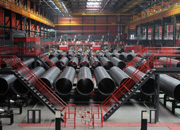 Threeway Steel is known as a professional supplier engaged in manufacturing and distributing a wide range of steel pipe, and our headquarter located the central part of China – Hunan and six associated factories throughout China.
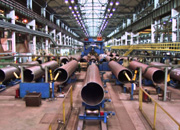 Threeway Steel is known as a professional supplier engaged in designing, manufacturing and distribution of a wide range of steel products with the headquarter located the central part of China – Hunan and six associated factories throughout China.
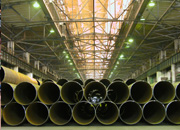 Threeway Steel is known as a professional supplier engaged in designing, manufacturing and distribution of a wide range of steel products with the headquarter located the central part of China – Hunan and six associated factories throughout China.
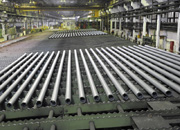 Threeway Steel is known as a professional supplier engaged in designing, manufacturing and distribution of a wide range of steel products with the headquarter located the central part of China – Hunan and six associated factories throughout China.
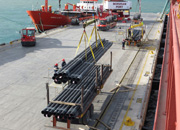 Threeway Steel is known as a professional supplier engaged in designing, manufacturing and distribution of a wide range of steel products with the headquarter located the central part of China – Hunan and six associated factories throughout China.