Steel tubing serves diverse industrial purposes, but selecting the correct type is critical. Mechanical tubes (ASTM A513, A519) are engineered for dimensional accuracy, machinability, and precise mechanical performance, making them ideal for machinery, automotive parts, and shafts. In contrast,
structural tubes (ASTM A500) are designed to carry loads and provide support for construction projects like building frames and bridges.
While both categories are available in welded or seamless forms, their specifications are distinct. Mechanical tubing focuses on manufacturing tolerances and surface conditions, whereas structural tubing prioritizes yield strength and load-bearing capacity.
What Is ASTM A513 Mechanical Tubing?
ASTM A513/A513M‑25 defines electric‑resistance‑welded (ERW) carbon and alloy steel mechanical tubing. It targets mechanical fabricated components instead of primary structural load‑bearing service. Products are manufactured from hot‑rolled or cold‑rolled steel and supplied in round, square, rectangular and special profiles.
|
Item
|
Key Details
|
|
Standard Name
|
ASTM A513/A513M‑25
|
|
Manufacturing process
|
Electric‑Resistance‑Welded (ERW)
|
|
Raw material
|
Hot‑rolled steel, cold‑rolled steel
|
|
Available shapes
|
Round, square, rectangular, special‑shape tubing
|
|
Main product types
|
As‑welded, sink‑drawn, drawn‑over‑mandrel (DOM)
|
|
Core usage
|
Mechanical components & fabrication; NOT primary structural tubing
|
|
Comparable standard
|
Do not substitute for ASTM A500 structural tubing
|
Core Manufacturing Feature: ERW Process
Steel strip is roll‑formed into tubular geometry. Electrical resistance fuses the strip edges to form the weld seam. ERW delivers high‑volume output and stable dimensional accuracy for mechanical‑part production.
ASTM A513 Tubing Types
-
As‑welded: Type1a /1b (hot‑rolled base); Type2 (cold‑rolled base). For general‑purpose mechanical fabrication.
-
Sink‑drawn: Type3 (hot‑rolled), Type4 (cold‑rolled). Improved dimension consistency after drawing.
-
Drawn‑Over‑Mandrel (DOM‑Type5): Tighter tolerance, better surface finish and uniform mechanical properties. Preferred for precision‑machined or formed parts.
-
Type6: Special smooth inside diameter for demanding bore requirements.
Buyers must specify grade, tubing type, shape, OD, wall thickness and surface finish on purchase orders.
Available Shapes
-
Round tubing
-
Square tubing
-
Rectangular tubing
-
Custom special‑shape tubing
Hot‑rolled substrate fits cost‑focused projects where surface finish is not critical. Cold‑rolled substrate offers smoother surfaces and tighter dimensional control.
Typical Applications
ASTM A513 mechanical tubing serves manufactured mechanical components:
-
Automotive parts
-
Machinery components & equipment frames
-
Furniture structures
-
Machined sleeves, shafts and welded assemblies
As‑welded grades suit low‑demand fabrications; DOM is selected for high‑precision requirements.
ASTM A513 vs ASTM A500
ASTM A513 cannot replace ASTM A500 structural tubing:
-
ASTM A513: ERW mechanical tubing for component fabrication
-
ASTM A500: Specially designed for structural load‑bearing applications
When comparing A513, A519 and A500, choose A513 if you require ERW mechanical tubing with flexible shapes for component manufacturing.
What Is ASTM A519 Seamless Mechanical Tubing?
ASTM A519/A519M‑24a is the active specification for seamless carbon and alloy steel mechanical tubing. Distinct from ERW‑based ASTM A513, A519 produces tube without welded seams for mechanical‑component applications with strict chemistry, dimension and mechanical‑property requirements。
|
Item
|
Key Details
|
|
Active Standard
|
ASTM A519/A519M‑24a
|
|
Tube construction
|
Seamless (no weld seam)
|
|
Product forms
|
Hot‑finished, cold‑finished seamless tubing
|
|
Available shapes
|
Round, square, rectangular, special‑section tubing
|
|
Round tube max OD
|
12‑3/4 in (325 mm), wall thickness per order
|
|
Material grades
|
Multiple carbon‑steel & alloy‑steel grades
|
|
Primary use
|
Precision mechanical components
|
|
Related specs comparison
|
A519‑seamless mechanical; A513‑ERW mechanical; A500‑structural tubing
|
ASTM A519 Manufacturing Process
Seamless tubing starts with hot‑working steel billets to create hollow tube bodies.
Additional cold finishing is applied when tighter dimensions, smoother surface or targeted mechanical performance are needed. Two main product conditions are available:
-
Hot‑finished seamless mechanical tubing
-
Cold‑finished seamless mechanical tubing
Material Grades
-
Carbon‑steel grades: For general‑purpose mechanical parts.
-
Alloy‑steel grades: Deliver customized strength, hardness and toughness for demanding service.
Buyers shall evaluate chemical composition, tensile performance, hardness, heat‑treatment and machinability to pick the proper grade.
Typical Applications
A519 is preferred where seamless structure and controlled mechanical properties are critical:
-
Machine shafts, sleeves, cylinders and bushings
-
Automotive precision parts
-
Machined and formed mechanical components
Note: Seamless design does not mean universal superiority. Select A519 strictly based on engineering requirements instead of default preference.
ASTM A519 vs ASTM A513 vs ASTM A500
-
ASTM A519: Seamless carbon/alloy mechanical tubing.
-
ASTM A513: ERW welded carbon/alloy mechanical tubing.
-
ASTM A500: Structural load‑bearing welded tubing.
Both A519 and A513 serve mechanical‑component fabrication. Choose A519 only when the project explicitly requires seamless mechanical tubing. Final selection shall depend on intended function, manufacturing method and engineering specs rather than tube size alone.
What Is ASTM A500 Structural Tubing?
ASTM A500 covers cold-formed welded and seamless carbon steel structural tubing in round, square and rectangular profiles. It is engineered for load-bearing structural use, different from mechanical tubing ASTM A513 and A519 for machine parts.
|
Item
|
Key Details
|
|
Standard scope
|
Cold-formed welded & seamless carbon steel structural tubing
|
|
Available shapes
|
Round, square, rectangular
|
|
Production methods
|
ERW welded or seamless
|
|
Main grades
|
Grade A, B, C, D
|
|
Core purpose
|
Load-bearing structural support
|
|
Main competitors
|
A513 (ERW mechanical tubing), A519 (seamless mechanical tubing)
|
ASTM A500 Manufacturing Process
ASTM A500 tubing can be welded or seamless.
-
ERW welded: Steel strip formed into tube and resistance-welded
-
Seamless: Produced without weld seam
Manufacturing selection depends on size, availability, mechanical specs and project design.
ASTM A500 Grades & Minimum Mechanical Properties
|
Grade
|
Min Yield Strength
|
Min Tensile Strength
|
|
A
|
33 ksi (228 MPa)
|
45 ksi (310 MPa)
|
|
B
|
42 ksi (290 MPa)
|
58 ksi (400 MPa)
|
|
C
|
46 ksi (317 MPa)
|
62 ksi (427 MPa)
|
|
D
|
36 ksi (248 MPa)
|
58 ksi (400 MPa)
|
Note: Values vary by shape and standard edition. Grade D has special heat treatment rules. Always confirm the latest standard version before purchase.
Typical Applications
ASTM A500 tubing is widely used for load-bearing structures:
-
Building columns, beams, trusses and frames
-
Bridge supports and fabricated bridge parts
-
Industrial platforms and equipment supports
-
Highway guardrails and safety barriers
-
Warehouse storage racks
-
Agricultural machinery frames
It supports welding, bolting and riveting for field fabrication.
ASTM A500 vs Mechanical Tubing (A513 / A519)
The key difference lies in design intent:
-
ASTM A500: Load-carrying structural tubing for construction & infrastructure
-
ASTM A513: ERW mechanical tubing for machined or fabricated components
-
ASTM A519: Seamless mechanical tubing for precision machine parts
Similar OD and wall thickness do NOT mean interchangeable. Check grade, tolerance, mechanical values and design codes before substitution.
ASTM A513 vs. A519 vs. A500: Key Differences
ASTM A513, A519 and A500 are widely used carbon/alloy steel tubing specs. Though they share similar shapes and sizes, they differ greatly in production, material rules and service purposes. A513 and A519 belong to mechanical tubing, while A500 is structural tubing.
|
Comparison Item
|
ASTM A513
|
ASTM A519
|
ASTM A500
|
|
Category
|
Mechanical tubing
|
Mechanical tubing
|
Structural tubing
|
|
Material
|
Carbon & alloy steel
|
Carbon & alloy steel
|
Carbon steel
|
|
Production
|
ERW (including DOM)
|
Seamless
|
Cold-formed welded or seamless
|
|
Core focus
|
Welded mechanical parts
|
Seamless mechanical components
|
Load-bearing structural performance
|
|
Available shapes
|
Round, square, rectangular, special profiles
|
Round, square, rectangular, special profiles
|
Round, square, rectangular
|
|
Typical uses
|
Auto parts, machinery, furniture, equipment frames
|
Shafts, cylinders, sleeves, machined components
|
Buildings, bridges, columns, support frames
|
Manufacturing Process Differences
-
ASTM A513: ERW tube formed from steel strip. DOM variants get extra cold drawing for tighter tolerance and smoother surface.
-
ASTM A519: Seamless tube made by hot piercing billets; cold finishing available for precision requirements.
-
ASTM A500: Cold-formed structural hollow sections, supplied as ERW welded or seamless, designed for load-carrying structures.
Mechanical Performance & Material Rules
-
A513: Prioritizes dimensional accuracy, surface finish and machinability for secondary fabrication.
-
A519: Multiple carbon and alloy grades for adjustable strength, hardness, toughness and machining properties.
-
A500: Fixed yield and tensile strength requirements for structural design, with Grade A/B/C/D for different load conditions.
Application Guidance
-
Choose A513: General mechanical fabrication, auto components, furniture and equipment frames (DOM for high precision).
-
Choose A519: When seamless construction is mandatory for machined mechanical parts.
-
Choose A500: Load-bearing structures such as building columns, bridge supports, warehouse racks and safety barriers.
Selection Checklist for Buyers
Confirm these points before ordering:
-
End use: mechanical component or structural load-bearing
-
Tube type: welded or seamless
-
Required steel grade and mechanical values
-
OD, wall thickness, length and tolerance
-
Subsequent work: machining, bending, welding or forming
-
Project design codes and standard edition
Tubes with identical dimensions are not interchangeable. A513 mechanical tubing cannot replace A500 structural tubing for structural design.
How to Choose the Right Standard for Your Application
Picking the correct ASTM tubing standard guarantees part performance, fabrication efficiency and project safety. A513, A519 and A500 may share similar sizes, but they are engineered for distinct end uses.
|
Selection Factor
|
Items to verify
|
|
End application
|
Mechanical component or load-bearing structural member
|
|
Tube type
|
ERW / DOM welded, or seamless
|
|
Steel grade
|
Required chemistry, strength, hardness and toughness
|
|
Dimensions
|
OD, wall thickness, cut length
|
|
Tolerance
|
Dimensional accuracy allowance
|
|
Secondary fabrication
|
Machining, bending, welding or forming
|
|
Documentation & compliance
|
MTC, test reports, ASTM edition and local design codes
|
Pick ASTM A513 for ERW Mechanical Tubing
Select A513 for welded mechanical tubing where surface finish, dimensional control and machinability matter. It includes as-welded and DOM grades; DOM delivers tighter tolerances and smoother surfaces.
Typical uses:
-
Automotive and machinery parts
-
Equipment & furniture frames
-
General industrial fabrication
-
Suitable hydraulic / pneumatic components
Order notes: Specify tubing type, grade, size and tolerance clearly.
Pick ASTM A519 for Seamless Mechanical Tubing
Choose A519 when seamless construction is required for mechanical parts. A range of carbon and alloy grades supports tailored strength, hardness and machinability.
Typical uses:
-
Shafts, sleeves, bushings
-
Hydraulic cylinder components
-
Precision machined industrial & auto parts
Order notes: Confirm hot-finished or cold-finished condition, heat treatment and mechanical targets.
Pick ASTM A500 for Structural Tubing
A500 is for load-bearing structural hollow sections used in construction and infrastructure. Round, square and rectangular profiles are available with Grade A/B/C/D for different design loads.
Typical uses:
-
Building columns and structural frames
-
Bridge supports and infrastructure
-
Warehouse racks, industrial platforms
-
Agricultural and transport support structures
Order notes: Prioritize grade, section size, design loads and applicable building codes.
Extra Practical Considerations
Besides technical specs, evaluate supply lead time, availability, processing cost and freight, which affect total budget and project timeline.
Common Mistake: Do Not Select By Size Only
Same OD and wall thickness do NOT mean interchangeable.
-
A513 mechanical tubing cannot substitute A500 structural tubing for load-bearing designs.
-
A519 seamless tubing is not a default upgrade for all applications.
Match the standard strictly to design requirements. Consult engineers or suppliers if unsure.
Cost, Availability, and Fabrication Considerations
When selecting ASTM A513, A519 and A500 tubing, buyers need to look beyond unit price. Production route, material grade, stock availability and fabrication expenses all impact the total project cost.
|
Standard
|
Manufacturing Method
|
General Cost Profile
|
Availability Note
|
|
ASTM A513
|
ERW
|
Cost-efficient; DOM drawing adds extra cost
|
Common sizes in stock; special shapes / DOM have longer lead time
|
|
ASTM A519
|
Seamless
|
Higher cost due to complex piercing & finishing
|
Carbon grades easier to source; alloy, special OD or HT items have extended lead time
|
|
ASTM A500
|
Cold-formed welded / seamless
|
Cost varies by grade, section and wall thickness
|
Standard round / square / rectangular sizes widely stocked for construction
|
Cost Differences
-
ASTM A513: ERW production delivers low base cost for general mechanical use. DOM tubing incurs extra cold-drawing charges.
-
ASTM A519: Seamless manufacturing is more complex. Alloy grades, special heat treatment and tight tolerances push pricing higher.
-
ASTM A500: Mass-produced standard structural sections are competitive. Price fluctuates with grade, wall thickness and market steel price.
This is only a general reference. Final quotes depend on raw material price, order quantity and supplier capacity.
Availability & Lead Time
-
A513: Popular in auto and machinery sectors. Standard sizes are readily available; custom profiles require production lead time.
-
A519: Carbon seamless grades are easier to obtain. Rare alloy grades, large OD or non-standard wall thickness usually have longer lead times.
-
A500: Construction-grade hollow sections are mass-produced. Common profiles are widely stocked in most markets.
Always check stock status, MOQ and delivery schedule in advance to prevent project delays.
Fabrication Characteristics
-
ASTM A513: Good for welding, bending, cutting and machining. DOM offers superior surface finish and dimensional stability.
-
ASTM A519: Ideal for precision machining. Machinability and forming limits depend on steel grade and heat treatment condition.
-
ASTM A500: Designed for structural fabrication: cutting, welding, drilling and bolted connections. Follow structural design codes during processing.
For all three specs, review welding compatibility, forming limits and tolerance requirements before fabrication.
Tips to Control Total Cost
-
Pick the correct ASTM standard matching your application
-
Lock grade and dimensions before asking for quotes
-
Avoid over-specifying tight tolerances
-
Prioritize standard sizes over custom profiles
-
Optimize order quantity for better production and freight efficiency
-
Clarify inspection and MTC requirements upfront
-
Arrange delivery schedules to cut storage and logistics costs
Conclusion:
Selecting the correct steel tubing standard is vital for ensuring product quality, manufacturing efficiency, and structural reliability. While ASTM A513, A519, and A500 tubes may share similar dimensions, their distinct manufacturing processes and mechanical properties serve different industrial needs.
ASTM A513 covers electric-resistance-welded (ERW) mechanical tubing, ideal for automotive parts, machinery, and fabrication where dimensional consistency is key. ASTM A519 specifies seamless carbon and alloy steel tubing, essential for high-stress mechanical components like shafts, cylinders, and precision-machined parts where welded seams are unsuitable. ASTM A500 is designed for structural applications, providing the load-bearing strength required for building frames, bridges, and columns.
FAQ:
FAQ 1: What is the main difference between ASTM A513 and ASTM A500?
A513 is primarily a mechanical tubing specification, while A500 is a structural tubing specification designed for load-bearing applications.
FAQ 2: Is ASTM A519 seamless tubing?
Yes. ASTM A519 covers seamless carbon and alloy steel mechanical tubing, including hot-finished and cold-finished products. ASTM Store
FAQ 3: Is ASTM A513 stronger than A500?
Not necessarily. The specifications serve different purposes, so strength should be evaluated according to the specific grade and applicable requirements rather than the ASTM number alone.
FAQ 4: Can ASTM A513 be used for structural applications?
It may be physically suitable for some fabricated structures, but when a structural design or code specifies A500, the specified structural standard should be followed unless an engineer approves an alternative.
FAQ 5: Which is better, ASTM A519 or ASTM A513?
Neither is universally better. A513 is generally selected for ERW mechanical tubing, while A519 is selected when seamless mechanical tubing is required.
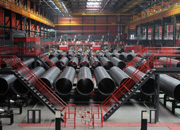 Threeway Steel is known as a professional supplier engaged in manufacturing and distributing a wide range of steel pipe, and our headquarter located the central part of China – Hunan and six associated factories throughout China.
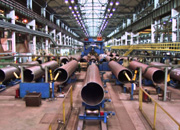 Threeway Steel is known as a professional supplier engaged in designing, manufacturing and distribution of a wide range of steel products with the headquarter located the central part of China – Hunan and six associated factories throughout China.
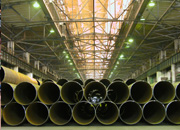 Threeway Steel is known as a professional supplier engaged in designing, manufacturing and distribution of a wide range of steel products with the headquarter located the central part of China – Hunan and six associated factories throughout China.
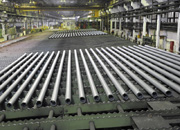 Threeway Steel is known as a professional supplier engaged in designing, manufacturing and distribution of a wide range of steel products with the headquarter located the central part of China – Hunan and six associated factories throughout China.
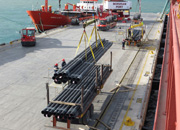 Threeway Steel is known as a professional supplier engaged in designing, manufacturing and distribution of a wide range of steel products with the headquarter located the central part of China – Hunan and six associated factories throughout China.