Precision steel pipes are specialized steel tubes manufactured with strict dimensional tolerances, controlled surface quality, and consistent mechanical properties. Compared with ordinary steel pipes, they provide higher dimensional accuracy, better uniformity, and smoother inner and outer surfaces, making them suitable for applications where accurate fitting, stable performance, and reliable assembly are essential. They are widely used in automotive manufacturing, hydraulic and pneumatic systems, industrial machinery, engineering equipment, and precision mechanical components. Key advantages include high dimensional accuracy for outer diameter, inner diameter, wall thickness, length, and straightness; good surface finish to reduce friction and support fluid movement; consistent mechanical properties through controlled manufacturing and heat treatment; and reliable performance for machining, bending, welding, and other secondary operations. Precision steel pipes are particularly valuable where standard commercial pipe tolerances are insufficient, serving as fluid-carrying components, connecting elements, or precision structural parts. However, they are not automatically suitable for every high-pressure or high-temperature pipeline.
What Are Precision Steel Pipes? Definition and Main Characteristics
Precision steel pipes are steel tubes manufactured to achieve tight dimensional tolerances, consistent mechanical properties, and controlled surface quality. They are designed for applications where ordinary commercial steel pipes may not provide sufficient accuracy or uniformity. Depending on production method and intended use, precision pipes can be supplied as seamless or welded products in various carbon steel, alloy steel, and stainless steel grades.
Unlike standard steel pipes, precision steel pipes are often subjected to additional manufacturing and finishing processes—such as cold drawing, cold rolling, sizing, straightening, and heat treatment—to control final dimensions and improve product consistency.
Key Characteristics at a Glance
|
Characteristic
|
What It Means
|
|
High dimensional accuracy
|
Controlled outer diameter, inner diameter, wall thickness, and length for accurate assembly
|
|
Good surface finish
|
Smooth internal and external surfaces reduce friction and support sealing
|
|
Consistent mechanical properties
|
Appropriate material selection and heat treatment achieve required strength, hardness, and toughness
|
|
Good straightness and roundness
|
Accurate geometry supports installation, machining, and alignment
|
|
Reliable processing performance
|
Suitable for cutting, bending, machining, welding, and other fabrication processes
|
1. Definition and Basic Structure
A precision steel pipe is a tubular steel product manufactured to specified dimensional and quality requirements. Its basic structure includes outer diameter, inner diameter, wall thickness, and pipe length.
Precision pipes may be produced with different cross-sectional shapes:
-
Round – hydraulic systems, automotive components, and mechanical equipment
-
Square and rectangular – machinery frames and structural assemblies
Required precision depends on the product standard, manufacturing process, and customer specifications. Confirm the applicable dimensional tolerances—do not assume all products described as precision steel pipes meet the same accuracy requirements.
2. Common Manufacturing Processes
|
Process
|
Description
|
|
Cold drawing
|
Tube pulled through a die, often over a mandrel, to reduce diameter or wall thickness; improves dimensional accuracy and surface finish
|
|
Cold rolling
|
Tube passes through specialized rollers for precise dimensions and controlled wall thickness; used when tighter tolerances or better surface quality are required
|
|
Precision finishing
|
Sizing, straightening, polishing, and heat treatment to achieve final dimensional and performance requirements
|
The choice of process depends on steel grade, pipe dimensions, required tolerance, surface condition, and intended application.
3. Precision Steel Pipes vs. Ordinary Steel Pipes
The main difference lies in dimensional control and product consistency.
-
Ordinary steel pipes – generally manufactured to meet standard commercial or pipeline requirements
-
Precision steel pipes – designed for applications demanding closer dimensional tolerances and better surface quality
For example, a hydraulic cylinder component may require a precise inner diameter and smooth surface to support piston movement and sealing—a standard pipe may not meet these requirements without additional machining or finishing.
Precision Grades and Dimensional Tolerances of Steel Pipes
Precision grades are important when selecting precision steel pipes for industrial and mechanical applications. They indicate the level of dimensional control required during manufacturing and help buyers determine whether a pipe can meet specific installation and operating requirements.
Unlike steel strength grades, which describe mechanical properties and material performance, precision grades generally relate to dimensional accuracy, surface quality, and manufacturing tolerances. Exact requirements depend on the applicable product standard, manufacturing process, pipe dimensions, and delivery condition.
Key Dimensional Parameters
|
Parameter
|
Description
|
Importance
|
|
Outer diameter (OD)
|
External diameter of the pipe
|
Ensures accurate fitting and assembly
|
|
Inner diameter (ID)
|
Internal diameter of the pipe
|
Important for fluid flow, sealing, and piston movement
|
|
Wall thickness
|
Distance between inner and outer surfaces
|
Affects strength, pressure resistance, and weight
|
|
Length
|
Overall pipe length
|
Supports accurate cutting and installation
|
|
Straightness
|
Deviation from a straight line
|
Helps prevent alignment and assembly problems
|
|
Roundness
|
Deviation from a perfect circular cross-section
|
Important for sealing and mechanical connections
|
Wall thickness uniformity is also important—significant variation can affect machining allowance and mechanical performance.
1. What Do Precision Grades Mean?
Precision grades describe how closely a finished steel pipe must conform to specified dimensions. A higher precision requirement generally means smaller allowable dimensional deviations and more demanding manufacturing controls.
For example, hydraulic systems and precision mechanical components often require tighter tolerances than general structural applications. Determine the required precision level by the function of the pipe—not simply by choosing the tightest available tolerance.
Important: there is no single universal precision-grade classification covering all steel pipes. Different standards and manufacturers may use different tolerance classes, accuracy levels, or technical designations. Always confirm the relevant standard and its requirements.
2. Common Precision Levels
|
Precision Level
|
Typical Application
|
|
Standard precision
|
General mechanical components where moderate dimensional control is sufficient
|
|
High precision
|
Hydraulic equipment, automotive components, and machinery requiring closer dimensional consistency
|
|
Special or tighter precision
|
Demanding components requiring strict control of ID, OD, wall thickness, or straightness
|
These are general purchasing categories, not universal standardized grades. Actual tolerance values must be specified in the applicable product standard or purchase agreement.
3. Relevant Standards and Specifications
|
Standard
|
Scope
|
|
EN 10305 series
|
Steel tubes for precision applications; covers seamless, welded, and other precision tube products
|
|
ASTM A519
|
Seamless carbon and alloy steel mechanical tubing
|
|
ASTM A213
|
Seamless ferritic and austenitic alloy-steel boiler, superheater, and heat-exchanger tubes—not a general precision mechanical tubing standard
|
|
ASTM A554
|
Welded stainless steel mechanical tubing, including certain square, rectangular, and round sections
|
These standards have different scopes and should not be treated as interchangeable. The appropriate specification must match the pipe's material, manufacturing method, dimensions, and service requirements.
4. How to Select the Appropriate Precision Grade
-
Application requirements – fluid transportation, hydraulic systems, mechanical components, or structural purposes?
-
Dimensional requirements – confirm required OD, ID, wall thickness, length, straightness, and roundness tolerances
-
Operating conditions – working pressure, temperature, vibration, and potential corrosion exposure
-
Manufacturing process – cold drawing, cold rolling, or additional finishing needed to achieve required accuracy
-
Applicable standards – specify the correct product standard and acceptance criteria in the purchase order
Main Types and Materials of Precision Steel Pipes
Precision steel pipes are available in different materials, manufacturing forms, and dimensional specifications to meet various industrial requirements. Material selection directly affects strength, corrosion resistance, machinability, weldability, and service life, while the manufacturing method determines dimensional accuracy, surface finish, and wall thickness consistency.
The most common categories are carbon steel, alloy steel, and stainless steel precision pipes, supplied as seamless or welded products.
Material Comparison at a Glance
|
Material
|
Common Grades
|
Key Advantages
|
Typical Applications
|
|
Carbon steel
|
10#, 20#, 45#, E235, E355
|
Balanced strength, machinability, availability, and cost
|
Mechanical engineering, automotive, hydraulic equipment, general machinery
|
|
Alloy steel
|
20MnV, 40Cr, 42CrMo
|
Higher strength and hardenability; improved wear resistance after heat treatment
|
Heavy machinery, automotive components, hydraulic systems, higher-load equipment
|
|
Stainless steel
|
304/304L, 316/316L, 321, 430
|
Corrosion resistance, cleanliness, good surface quality
|
Chemical equipment, instrumentation, automotive systems, precision machinery
|
1. Carbon Steel Precision Pipes
Widely used in mechanical engineering, automotive manufacturing, hydraulic equipment, and general industrial machinery—offering a practical balance of strength, machinability, availability, and cost.
-
10# and 20# steel – mechanical components, precision tubes, and applications requiring good formability and machinability
-
45# steel – medium-carbon steel with higher strength and hardness potential after heat treatment; used for shafts, sleeves, and mechanical components
-
E235 and E355 – common European engineering grades; E355 offers higher minimum strength than E235 under relevant delivery conditions
Note: carbon steel precision pipes suit applications where high corrosion resistance is not the primary requirement. Protective coatings or surface treatments may be necessary in corrosive environments.
2. Alloy Steel Precision Pipes
Contain additional elements such as chromium, molybdenum, manganese, or nickel to improve specific mechanical properties.
Common options: 20MnV, 40Cr, and 42CrMo, depending on product specification—used in heavy machinery, automotive components, hydraulic systems, and equipment exposed to higher mechanical loads.
Main advantages:
-
Higher strength and hardenability in suitable grades
-
Improved wear resistance after appropriate heat treatment
-
Better performance in demanding mechanical applications
-
Suitability for components requiring specific strength and toughness combinations
Final properties depend on chemical composition, heat treatment, and delivery condition. Confirm required mechanical properties—do not select a grade by name alone.
Selected when corrosion resistance, cleanliness, and surface quality are important.
|
Grade
|
Characteristics
|
|
304/304L
|
General-purpose austenitic stainless steels for industrial equipment, food processing, and mechanical components
|
|
316/316L
|
Improved resistance to chloride-related corrosion compared with 304 in many environments
|
|
321
|
Titanium-stabilized stainless steel for certain elevated-temperature applications
|
|
430
|
Ferritic stainless steel with moderate corrosion resistance and magnetic properties
|
Common applications: chemical equipment, instrumentation, automotive systems, and precision machinery. The appropriate grade depends on operating environment, temperature, and corrosion exposure.
4. Seamless vs. Welded Precision Steel Pipes
|
Comparison
|
Seamless Precision Pipes
|
Welded Precision Pipes
|
|
Manufacturing
|
Produced without a longitudinal weld seam
|
Formed from steel strip or sheet and welded
|
|
Structure
|
No longitudinal weld seam
|
Contains a welded seam
|
|
Dimensional control
|
Tight tolerances through cold drawing or finishing
|
High accuracy through forming and sizing
|
|
Typical applications
|
Hydraulic components, mechanical parts, demanding applications
|
Automotive components, furniture, machinery, structural applications
|
|
Cost considerations
|
May involve higher manufacturing costs
|
Can be more economical for suitable dimensions and applications
|
Neither type is automatically superior—selection should consider dimensions, material, pressure conditions, inspection requirements, and applicable standards.
5. How to Choose the Right Material and Pipe Type
-
Carbon steel – general mechanical applications where cost and machinability are important
-
Alloy steel – when higher strength, hardenability, or wear resistance is required
-
Stainless steel – when corrosion resistance and surface cleanliness are important
-
Seamless pipes – when the application or specification requires no longitudinal weld seam
-
Welded pipes – when performance, dimensional accuracy, and cost meet project requirements
Before purchasing, confirm the material grade, manufacturing method, dimensional tolerances, heat treatment condition, surface finish, and inspection requirements. A well-matched combination of material and process helps ensure reliable performance and cost-effective use.
Placement of Precision Steel Pipes in Steel Piping Systems
Precision steel pipes play an important role in modern industrial piping systems and mechanical equipment. Unlike ordinary commercial steel pipes, they are manufactured with tighter dimensional tolerances, better surface consistency, and controlled mechanical properties—making them suitable where accurate assembly, reliable connections, and stable operating performance are essential.
Their placement in a steel piping system depends on the system's function, operating pressure, temperature, fluid characteristics, and installation requirements. Precision steel pipes are commonly used in hydraulic and pneumatic systems, automotive equipment, industrial machinery, instrumentation, and mechanical assemblies.
Application Overview
|
Application Area
|
Typical Uses
|
Key Selection Factors
|
|
Hydraulic and pneumatic systems
|
Hydraulic lines, cylinder barrels, connecting pipelines
|
ID/OD tolerances, wall thickness, pressure resistance, surface roughness, straightness, material strength, sealing
|
|
Mechanical equipment and automotive
|
Drive shafts, transmission components, suspension parts, steering systems, structural components
|
Dimensional consistency, strength, fatigue performance, heat treatment condition
|
|
Instrumentation and fluid transportation
|
Pressure measurement lines, sampling systems, fluid connections
|
Dimensional consistency, surface quality, corrosion resistance, pressure/temperature compatibility
|
|
Industrial machinery and structures
|
Machine frames, guide components, rollers, sleeves, support structures
|
Accurate dimensions, stable mechanical performance; square/rectangular for frames, round for shafts and fluid handling
|
1. Precision Steel Pipes in Hydraulic and Pneumatic Systems
Hydraulic and pneumatic systems require reliable pipelines to transfer oil, water-based fluids, compressed air, or other working media. Precision steel pipes are frequently used in hydraulic lines, cylinder components, and connecting pipelines.
Accurate outer diameter and wall thickness help ensure proper connections with fittings, adapters, and other components. For hydraulic cylinders, precision tubes may serve as cylinder barrels, where inner diameter accuracy and surface finish are particularly important for piston movement and sealing.
Pay attention to:
-
Inner and outer diameter tolerances
-
Wall thickness and pressure resistance
-
Surface roughness and straightness
-
Material strength and compatibility with the working medium
-
Connection and sealing requirements
2. Applications in Mechanical Equipment and Automotive Systems
Precision steel pipes are widely used in automotive manufacturing and mechanical engineering—drive shafts, transmission components, suspension parts, steering systems, and structural components.
Dimensional consistency supports accurate machining and assembly, helping reduce fitting problems during production. Depending on required mechanical properties, manufacturers may select carbon steel, alloy steel, or stainless steel precision tubes.
For automotive components exposed to repeated loads, vibration, or impact, consider material strength, fatigue performance, and heat treatment condition.
3. Use in Instrumentation, Control, and Fluid Transportation
Precision steel pipes also serve as small-diameter tubing for pressure measurement lines, sampling systems, and fluid connections. Dimensional consistency and surface quality help support reliable connections and reduce leakage risk.
Stainless steel precision tubes are often considered where corrosion resistance and cleanliness are important. The selected pipe must also meet the pressure, temperature, and chemical compatibility requirements of the specific system.
4. Precision Pipes in Industrial Machinery and Structural Components
Industrial machinery often contains components requiring accurate dimensions and stable mechanical performance. Precision steel pipes can be used in machine frames, guide components, rollers, sleeves, support structures, and other fabricated parts.
-
Square and rectangular precision tubes – machinery frames and structural assemblies; controlled dimensions simplify cutting, welding, and fitting
-
Round precision tubes – shafts, sleeves, hydraulic components, and fluid-carrying applications
5. How Precision Steel Pipes Connect with Standard Pipes, Fittings, and Valves
Precision steel pipes are often integrated with standard steel pipes, fittings, valves, flanges, and other pipeline components. Proper connection design is essential to maintain system integrity.
|
Connection Method
|
Typical Use
|
|
Welded connections
|
Permanent joints when pipe material and system design permit welding
|
|
Threaded connections
|
Certain smaller-diameter pipes and low- or moderate-pressure applications
|
|
Flanged connections
|
Removable joints for equipment connections and maintenance
|
|
Compression or mechanical fittings
|
Instrumentation, hydraulic, and pneumatic systems requiring accurate tube dimensions
|
When connecting precision steel pipes with standard components, verify dimensional compatibility, pressure ratings, material compatibility, and applicable connection standards.
Manufacturing, Quality Inspection, and Purchasing Considerations
The performance of precision steel pipes depends not only on material selection but also on manufacturing processes, dimensional control, and quality inspection. Because these pipes are used in applications requiring accurate dimensions and consistent mechanical properties, every production stage must be properly controlled.
For buyers, understanding the manufacturing process and inspection requirements helps reduce quality risks, avoid installation problems, and ensure supplied products meet project specifications.
Key Considerations at a Glance
|
Area
|
What to Confirm
|
|
Manufacturing processes
|
Cold drawing, cold rolling, sizing/straightening, heat treatment, surface finishing
|
|
Quality inspection
|
Chemical composition, mechanical properties, dimensions, surface, NDT, heat treatment, traceability
|
|
Documentation
|
Material Test Certificates (MTCs), chemical/mechanical reports, dimensional records, NDT reports, heat treatment records
|
|
Purchasing details
|
Material grade, dimensions/tolerances, manufacturing method, delivery condition, surface requirements, inspection/certification, supplier capability
|
1. Precision Steel Pipe Manufacturing Processes
|
Process
|
Description
|
|
Cold drawing
|
Tube pulled through a die, sometimes over a mandrel, to reduce diameter or wall thickness; improves dimensional accuracy, surface finish, and mechanical properties
|
|
Cold rolling
|
Specialized rollers reduce tube dimensions and improve wall thickness consistency; suits tighter tolerances and better surface quality
|
|
Sizing and straightening
|
Control final outer diameter, roundness, and straightness
|
|
Heat treatment
|
Normalizing, annealing, quenching and tempering, or other specified treatments to achieve required strength, hardness, and toughness
|
|
Surface finishing
|
Polishing, pickling, or protective coating according to required surface condition and service environment
|
2. Key Quality Inspection Requirements
|
Inspection Item
|
Purpose
|
|
Chemical composition analysis
|
Confirms steel meets the specified material grade
|
|
Mechanical property testing
|
Evaluates tensile strength, yield strength, elongation, and other required properties
|
|
Dimensional inspection
|
Measures OD, ID, wall thickness, length, straightness, and roundness
|
|
Surface inspection
|
Checks for cracks, scratches, pits, laps, and other visible defects
|
|
Nondestructive testing (NDT)
|
Ultrasonic, eddy current, or other methods to detect internal or surface discontinuities
|
|
Heat treatment verification
|
Confirms required processing condition has been achieved
|
|
Material traceability
|
Links products to production batches and material test certificates
|
The exact inspection scope should follow the applicable product standard, technical agreement, and purchase order. Not every test is mandatory for every pipe type.
3. Nondestructive Testing and Material Documentation
NDT helps identify potential defects without damaging the finished product. Depending on specification and application, manufacturers may use ultrasonic testing, eddy current testing, or other approved methods.
Documentation to request:
-
Material Test Certificates (MTCs)
-
Chemical composition and mechanical test reports
-
Dimensional inspection records
-
Nondestructive testing reports, when required
-
Heat treatment records, where applicable
These documents support product verification, quality control, and material traceability.
4. Key Purchasing Considerations
-
Material grade – carbon steel, alloy steel, or stainless steel according to strength, corrosion resistance, and operating conditions
-
Dimensions and tolerances – OD, ID, wall thickness, length, and allowable deviations
-
Manufacturing method – seamless or welded suitability for the application
-
Delivery condition – cold-drawn, cold-rolled, annealed, normalized, or other conditions
-
Surface requirements – required finish, cleanliness, and protective treatment
-
Inspection and certification – testing methods, acceptance criteria, and documentation agreed before production
-
Supplier capability – production experience, quality management, inspection facilities, and ability to meet technical requirements
5. Common Selection Mistakes and How to Avoid Them
-
Focusing only on OD and wall thickness – ignoring ID, straightness, and surface roughness, which can be critical for hydraulic cylinders, precision machinery, and sealing applications
-
Assuming all "precision" pipes share the same tolerance class – tolerance requirements vary by standard and manufacturing specification
Our Recommended Precision Steel Pipe Products and Global Shipping Services
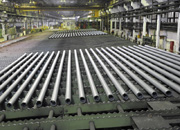
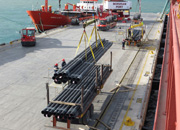
Supplies precision steel pipes for mechanical engineering, automotive manufacturing, hydraulic systems, and industrial machinery. Recommended products include carbon steel pipes (10#, 20#, 45#, E235, E355), alloy steel pipes (40Cr, 42CrMo), and stainless steel pipes (304, 304L, 316, 316L), available in seamless and welded forms. Cold-drawn seamless pipes are suitable for applications requiring tight dimensional tolerances and controlled surface finishes. Customization covers outer diameter, wall thickness, length, tolerances, heat treatment, surface finishing, and inspection requirements. Quality control may include chemical analysis, mechanical testing, dimensional measurement, surface inspection, and nondestructive testing, with Material Test Certificates and traceability documents available as required. For international orders, we arrange protective end caps, bundling, plastic wrapping, wooden cases, clear labeling, and container loading to prevent damage and moisture exposure. Export documentation such as commercial invoices, packing lists, bills of lading, and certificates of origin can be provided according to destination requirements. To request a quotation, please provide the material grade, dimensions, tolerances, manufacturing method, quantity, applicable standard, inspection requirements, and destination port.
Conclusion:
Precision steel pipes are essential for modern industrial piping systems, mechanical equipment, hydraulic applications, and automotive manufacturing. Their main advantages include tight dimensional tolerances, consistent surface quality, and controlled mechanical properties, supporting accurate assembly, reliable connections, and stable operating performance. Selecting the right precision steel pipe requires more than choosing a material grade or size. Buyers should match precision levels to application requirements, with tighter tolerances for hydraulic systems, precision machinery, and automotive components, and standard precision for general mechanical use. Material selection is equally important: carbon steel pipes offer cost-effective machinability, alloy steel pipes provide higher strength and wear resistance, and stainless steel pipes deliver improved corrosion resistance and surface quality. Manufacturing processes such as cold drawing, cold rolling, and appropriate heat treatment help achieve the required dimensional accuracy, surface finish, and mechanical properties. Seamless or welded construction should be selected according to the application and technical specifications. Quality inspection, including material composition, mechanical testing, dimensional measurement, surface inspection, and nondestructive testing, helps confirm product reliability. Material Test Certificates and traceability documents should be verified before delivery. Precision steel pipes must also be compatible with fittings, valves, and other pipeline components.
FAQ:
Q1: What is a precision steel pipe?
A precision steel pipe is a steel tube manufactured with tight dimensional tolerances, controlled surface quality, and consistent mechanical properties for demanding applications.
Q2: What are the common precision grades of steel pipes?
Precision levels are generally classified as standard, high, and special precision. Actual tolerance values depend on the applicable product standard and technical specifications.
Q3: What is the difference between precision steel pipes and ordinary seamless steel pipes?
Precision steel pipes have tighter dimensional tolerances and more controlled surface finishes. Ordinary seamless pipes may have wider dimensional tolerances depending on their manufacturing standard.
Q4: Which manufacturing process provides higher dimensional accuracy for precision steel pipes?
Cold drawing and cold rolling are commonly used to improve dimensional accuracy, wall thickness consistency, and surface finish.
 Threeway Steel is known as a professional supplier engaged in manufacturing and distributing a wide range of steel pipe, and our headquarter located the central part of China – Hunan and six associated factories throughout China.
 Threeway Steel is known as a professional supplier engaged in designing, manufacturing and distribution of a wide range of steel products with the headquarter located the central part of China – Hunan and six associated factories throughout China.
 Threeway Steel is known as a professional supplier engaged in designing, manufacturing and distribution of a wide range of steel products with the headquarter located the central part of China – Hunan and six associated factories throughout China.
 Threeway Steel is known as a professional supplier engaged in designing, manufacturing and distribution of a wide range of steel products with the headquarter located the central part of China – Hunan and six associated factories throughout China.
 Threeway Steel is known as a professional supplier engaged in designing, manufacturing and distribution of a wide range of steel products with the headquarter located the central part of China – Hunan and six associated factories throughout China.