Square and rectangular steel tubes are widely used in agricultural machinery frames, chassis, trailers, and greenhouse structures. Their hollow sections provide a strong, lightweight, and cost-efficient solution for columns, beams, roof trusses, bracing, and equipment supports. These tubes are easy to cut, weld, drill, and assemble, supporting efficient fabrication for seeders, harvesters, cultivators, and greenhouse systems. Because agricultural equipment and structures face rain, humidity, soil, fertilizers, and chemicals, galvanized or coated steel tubes help improve corrosion resistance and service life. Selection should consider steel grade, outside dimensions, wall thickness, mechanical properties, welding performance, applicable standards, and structural design.
Applications of Square and Rectangular Tubes in Agricultural Machinery
Square and rectangular steel tubes are widely used in agricultural machinery because of their structural strength, fabrication flexibility, and efficient use of materials. They support equipment operating under heavy loads, vibration, and changing field conditions. From tractor attachments to harvesting equipment, these hollow sections help manufacturers build durable, practical machines.
Main Applications at a Glance
2.1 Equipment Frames and Chassis
Frames and chassis are among the most common applications. They support tractors, harvesters, seeders, sprayers, and other machinery.
Proper dimensions and wall thickness maintain rigidity while controlling overall equipment weight.
2.2 Protective Structures and Equipment Guards
Agricultural machines contain moving parts that need protective enclosures. Tubes are used for:
-
Equipment guards
-
Protective frames
-
Covers
-
Mounting brackets
These components support protective panels and maintain shape during operation. Consider impact risks, vibration, welding requirements, and the operating environment. For safety-critical structures, comply with applicable machinery safety requirements.
2.3 Agricultural Implements and Attachments
Plows, cultivators, seeders, fertilizer spreaders, and trailers often use tubes as structural members supporting tools, wheels, hitches, and attachments.
These implements face repeated impacts, uneven loads, and continuous vibration. Evaluate:
-
Yield strength
-
Tensile strength
-
Wall thickness
-
Weld quality
Proper material selection reduces deformation and supports reliable operation throughout service life.
2.4 Conveyor and Material Handling Systems
Tubes are used in grain conveyors, feed handling equipment, storage systems, and processing machinery as:
-
Support frames
-
Conveyor legs
-
Equipment bases
-
Structural rails
Their straight profiles and convenient connections simplify fabrication and assembly. Standardized dimensions improve manufacturing consistency and reduce material waste.
2.5 Key Factors When Selecting Steel Tubes
Applications of Square and Rectangular Tubes in Greenhouse Construction
Square and rectangular steel tubes are widely used in greenhouse construction for their structural strength, dimensional consistency, and fabrication flexibility. They support greenhouse frames, roof structures, doors, ventilation systems, and other components. Compared with some traditional materials, steel tubes offer a practical solution for durable greenhouse structures in different sizes and configurations.
Main Applications at a Glance
3.1 Main Greenhouse Frames and Columns
Tubes are commonly used for columns, beams, and main frames. These support the roof, cladding, and other elements while maintaining overall stability.
Section choice depends on greenhouse span, structural layout, and expected loads.
3.2 Roof Trusses and Structural Bracing
Greenhouse roofs must withstand wind, snow, and equipment weight. Tubes can be fabricated into roof trusses, rafters, and diagonal bracing.
These members distribute loads and reduce movement or deformation. Select dimensions, wall thickness, grade, and connections per engineering calculations and local building requirements. Design is especially important for large-span greenhouses and structures exposed to severe weather.
3.3 Doors and Ventilation Systems
Tubes are used for greenhouse doors, window frames, and ventilation components. Straight profiles and convenient welding allow consistent frame dimensions.
Accurate dimensions improve assembly, alignment, and operation of movable doors and vents.
3.4 Irrigation and Growing System Supports
Modern greenhouses may contain irrigation pipes, suspended growing equipment, and plant trellises. Tubes can support these installations when the structure is designed for additional loads.
Examples:
Account for equipment weight, crop loads, maintenance access, and seasonal changes.
3.5 Corrosion Protection in Humid Environments
Greenhouses have high humidity, condensation, and exposure to fertilizers or chemicals. These conditions accelerate corrosion, especially when steel surfaces stay wet.
For demanding conditions, consider coating quality, drainage, cut-edge protection, and welded connection maintenance.
3.6 Key Factors for Selecting Greenhouse Steel Tubes
Square Tubes vs. Rectangular Tubes: How to Choose the Right Section
Square and rectangular steel tubes are widely used in agricultural machinery and greenhouse construction. Both offer good structural strength, efficient material use, and convenient fabrication. Their different cross-sectional shapes affect bending resistance, load distribution, and suitability. Choosing the right section balances structural performance, weight, and cost.
Quick Comparison
Note: Actual load capacity depends on dimensions, wall thickness, steel grade, support conditions, connections, and loading. Neither shape is universally stronger.
4.1 Square Steel Tubes: Balanced Structural Performance
Square tubes have equal width and height, giving balanced properties about both principal axes. They suit applications where loads act in different directions.
Common applications:
4.2 Rectangular Steel Tubes: Directional Bending Resistance
Rectangular tubes have different width and height, allowing orientation of the longer side to improve bending resistance in a chosen direction.
Common applications:
Important: Rectangular tubes must be installed in the correct orientation to achieve intended performance.
4.3 Key Factors When Choosing the Right Section
Key Factors When Purchasing Steel Tubes for Agricultural Applications
Selecting the right square and rectangular steel tubes is essential for agricultural machinery and greenhouse construction. Tubes must meet structural requirements, withstand environmental exposure, and support efficient fabrication. Before ordering, evaluate material quality, dimensions, corrosion protection, and total project costs.
Key Factors at a Glance
5.1 Steel Grade and Mechanical Properties
Steel grade affects strength, ductility, and fabrication performance.
Review yield strength, tensile strength, and elongation per the applicable standard. For load-bearing components, use engineering calculations to verify capacity.
5.2 Tube Dimensions and Wall Thickness
Confirm before purchasing:
-
Outside width and height
-
Wall thickness and tolerances
-
Length and cutting specifications
-
Straightness and cross-sectional accuracy
-
Weight per meter and order quantity
Accurate dimensions improve assembly and reduce waste. Select wall thickness by expected loads, not simply the thickest option.
5.3 Corrosion Protection and Surface Treatment
Agricultural equipment faces moisture, soil, fertilizers, and chemicals. Greenhouses face humidity and condensation.
Confirm coating requirements, thickness, surface quality, and protection for cut edges and welded areas.
5.4 Welding, Fabrication, and Quality Inspection
Tubes often require cutting, drilling, bending, and welding. Ensure the selected material suits the planned processes.
5.5 Supplier Reliability and Delivery Arrangements
Confirm:
For international orders, consider shipping costs, destination port, and delivery terms. Bundled packaging and clear identification protect tubes during handling.
5.6 Total Cost and Long-Term Value
The lowest price does not always provide the best value. Thin walls, unsuitable grades, or inadequate protection can lead to deformation, repairs, and premature replacement.
Compare:
Our Recommended Square and Rectangular Steel Tube Products and Global Shipping Services
We supply square and rectangular steel tubes for agricultural machinery frames, greenhouse structures, equipment supports, and trailer applications. Products can be specified by outside dimensions, wall thickness, steel grade, length, and surface treatment, including hot-dip galvanized or pre-galvanized options for improved corrosion resistance in humid, chemical, and outdoor environments. Square tubes offer balanced structural support, while rectangular tubes help optimize bending resistance along selected axes for beams, roof trusses, and machinery frames. Custom dimensions, grades, coatings, packaging, and inspection documentation can be arranged according to project requirements. For international orders, tubes are securely bundled, clearly marked, and shipped by sea freight with commercial invoices, packing lists, and export documents. To request a quotation, please provide tube shape, size, wall thickness, grade, surface treatment, quantity, drawings if available, and destination port. Confirming specifications early supports accurate pricing, reliable quality control, and efficient global delivery for agricultural steel tube projects.
Conclusion:
Square and rectangular steel tubes are essential for agricultural machinery frames, chassis, trailers, and greenhouse structures. Square tubes provide balanced support in multiple directions, while rectangular tubes optimize bending resistance for beams, roof trusses, and directional loads. Selecting the right steel grade, outside dimensions, and wall thickness helps maintain structural rigidity under vibration, working loads, and outdoor conditions. Galvanized or coated tubes improve corrosion resistance against moisture, humidity, fertilizers, and chemicals, reducing maintenance costs and extending service life. Buyers should confirm mechanical properties, dimensional tolerances, welding performance, applicable standards, and inspection documentation before ordering. Clear technical drawings, quantities, packaging requirements, and destination details support accurate quotations and efficient global shipping. Matching tube shape, material, and surface protection to the application improves fabrication efficiency, structural reliability, and long-term performance for modern agricultural projects.
FAQ:
Q1: What are square and rectangular steel tubes used for in agricultural machinery?
They are commonly used for machine frames, chassis, equipment guards, trailers, agricultural implements, and material handling systems.
Q2: Are square steel tubes suitable for greenhouse construction?
Yes. Square steel tubes are commonly used for greenhouse columns, frames, and supports when their dimensions and strength meet the design requirements.
Q3: Which is better for greenhouse structures: square or rectangular steel tubes?
Square tubes provide balanced directional properties, while rectangular tubes can offer greater bending resistance along their stronger axis. The best choice depends on the structural design and loading conditions.
Q4: Are galvanized square and rectangular tubes suitable for greenhouses?
Yes. Galvanized tubes can improve corrosion resistance in humid greenhouse environments, although coating quality and exposure conditions should be considered.

 Threeway Steel is known as a professional supplier engaged in manufacturing and distributing a wide range of steel pipe, and our headquarter located the central part of China – Hunan and six associated factories throughout China.
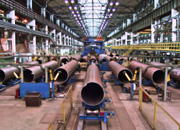 Threeway Steel is known as a professional supplier engaged in designing, manufacturing and distribution of a wide range of steel products with the headquarter located the central part of China – Hunan and six associated factories throughout China.
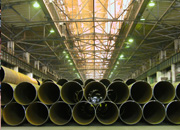 Threeway Steel is known as a professional supplier engaged in designing, manufacturing and distribution of a wide range of steel products with the headquarter located the central part of China – Hunan and six associated factories throughout China.
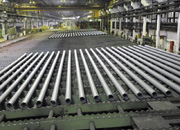 Threeway Steel is known as a professional supplier engaged in designing, manufacturing and distribution of a wide range of steel products with the headquarter located the central part of China – Hunan and six associated factories throughout China.
 Threeway Steel is known as a professional supplier engaged in designing, manufacturing and distribution of a wide range of steel products with the headquarter located the central part of China – Hunan and six associated factories throughout China.