Certification is critical for square and rectangular tubes used in marine and offshore engineering, where structures face harsh conditions like saltwater, cyclic loading, and extreme fatigue. Unlike standard land-based construction, marine applications require strict compliance with classification society rules such as DNV, ABS, LR, BV, and CCS. Certification verifies that materials meet specific requirements for chemical composition, mechanical properties, impact toughness, and manufacturing quality. Engineers must select appropriate steel grades based on service environments, ensuring adequate toughness for cold climates and verifying weldability for structural integrity. Comprehensive documentation, including Material Test Certificates (MTCs) and heat numbers, guarantees full traceability from production to project acceptance. Buyers should clearly specify the classification society, applicable standards, dimensions, and testing requirements before ordering. Proper certification links material quality to structural reliability, ensuring tubes are suitable for vessel frames, offshore platforms, and deck systems while meeting rigorous inspection standards for safety and performance in demanding offshore environments.
Material Requirements for Square and Rectangular Tubes
Material selection is critical when square and rectangular tubes are used in marine and offshore engineering. These tubes may serve as primary or secondary structural members and can face seawater, moisture, low temperatures, vibration, impact, and repeated loading. The material must meet dimensional, mechanical, chemical, toughness, and weldability requirements.
Key Requirements at a Glance
1. Suitable Marine and Offshore Steel Grades
The required grade depends on the classification society, structural design, and project specification. Marine structural steels come in normal-strength and higher-strength grades.
The selected grade must provide sufficient yield and tensile strength for calculated structural loads.
2. Chemical Composition Requirements
Chemical composition is closely controlled because it affects strength, toughness, weldability, and degradation resistance.
Verify composition against the material standard and classification society requirements. Record test results on material documentation.
3. Mechanical Properties
Impact toughness is especially important for cold-environment offshore structures. The project may require Charpy impact testing at a specified temperature.
4. Weldability and Fabrication
Square and rectangular tubes are commonly welded into larger assemblies, making weldability a key material consideration.
Factors affecting welding performance:
-
Steel composition
-
Carbon equivalent
-
Thickness
-
Welding process
-
Heat input
For classification-certified projects, welding procedures and inspection must comply with applicable classification society rules.
5. Corrosion and Environmental Conditions
Marine structures face continuous moisture and chloride exposure. Although steel may not be selected primarily for corrosion resistance, the project should consider:
-
Required protective coating
-
Corrosion-control system
-
Temperature and fatigue loading
-
Other environmental factors
6. Material Certification and Traceability
Before purchasing, confirm the material can be supplied with:
Specification Requirements for Classification Society Certification
For square and rectangular tubes used in marine and offshore engineering, meeting a general structural steel standard may not be enough. The tubes must also satisfy applicable classification society rules, project specifications, and inspection requirements. These verify the material suits the intended structural application and service environment.
Key Requirements at a Glance
1. Confirm the Applicable Classification Society
Identify which classification society applies to the project. Requirements may come from:
Each organization has its own rules for approved materials, manufacturing, testing, inspection, and documentation. Confirm applicable rules before ordering.
2. Specify the Correct Steel Grade
The grade must match the structural design and classification requirements.
Higher-strength steel may be specified when calculations require greater capacity, but the grade must satisfy all requirements, not strength alone.
3. Control Tube Dimensions and Tolerances
Clearly define:
-
Outside dimensions
-
Wall thickness
-
Length
-
Corner radius
-
Dimensional tolerances
Dimensional accuracy matters because tubes are often welded into structural assemblies. Excessive variation causes fabrication difficulties and alignment issues. Use the applicable product standard or project specification to set acceptable tolerances.
4. Manufacturing Process Requirements
Identify the manufacturing process. Square and rectangular tubes may be produced through different forming and welding methods, and permitted processes can depend on the applicable standard and classification rules.
For welded tubes, requirements may cover:
-
Welding procedures
-
Weld quality
-
Heat treatment
-
Non-destructive testing
State any required manufacturing process clearly in the purchase order.
5. Testing and Inspection
Classification certification may require specific tests and inspections.
For welded tubes, weld inspection is particularly important. Determine the exact testing scope from classification rules and the approved project specification.
6. Marking and Traceability
Tubes should be clearly marked with:
The heat number links the finished tube to its original material test results, creating a documented chain from production to delivery.
7. Material Certificates and Certification Documents
The supplier should provide the required Material Test Certificate (MTC) and other inspection documents, which may include:
Testing and Inspection Requirements
Testing and inspection are essential for square and rectangular tubes used in marine and offshore engineering. These products may form load-bearing structures exposed to waves, vibration, wind, cyclic loading, impact, and corrosive marine environments. For classification-certified projects, inspection requirements are normally defined by the applicable classification society rules, material standard, and project specification.
Testing and Inspection at a Glance
1. Chemical Composition Testing
Chemical analysis verifies the steel meets the specified grade. Elements checked include:
-
Carbon
-
Manganese
-
Silicon
-
Phosphorus
-
Sulfur
-
Alloying elements
Composition affects strength, toughness, weldability, and fabrication. Results should be traceable to the relevant heat or batch and recorded in material documentation.
2. Tensile and Mechanical Testing
Mechanical testing confirms the tube achieves required strength and ductility.
Testing should follow the applicable product standard and classification requirements, with results documented.
3. Impact Toughness Testing
Impact toughness matters for marine structures exposed to low temperatures. Charpy V-notch impact testing evaluates energy absorption at a specified temperature.
Required test temperature and acceptance criteria depend on:
-
Selected grade
-
Thickness
-
Classification rules
-
Project requirements
Confirm these details before production.
4. Dimensional and Visual Inspection
Dimensional inspection verifies:
-
Outside dimensions
-
Wall thickness
-
Length
-
Straightness
-
Corner geometry
-
Surface condition
Visual inspection identifies surface defects, cracks, excessive scale, weld imperfections, or dents. Dimensional control is especially important for prefabricated marine structures.
5. Weld and Non-Destructive Testing
For welded tubes, weld quality must be carefully controlled. Depending on requirements, inspection may include:
NDT detects discontinuities without damaging the tube. Required method and inspection percentage should follow classification and project specifications.
6. Material Traceability
Traceability connects the finished tube to its original steel heat and test records. Marking may include:
This helps inspectors and fabricators verify the installed material matches the approved specification.
7. Material Certificates and Third-Party Inspection
A Material Test Certificate (MTC) provides documented evidence of chemical composition and mechanical test results. Additional inspection certificates or third-party reports may also be required.
Classification society representatives or approved inspection organizations may witness selected tests when specified by the project.
Applications of Square and Rectangular Tubes in Marine and Offshore Engineering
Square and rectangular pipes are widely used in marine and offshore engineering because their closed sections provide useful strength, stiffness, and fabrication efficiency. Their flat surfaces make welding, connection, and assembly into structural frames easier. Depending on design, they can serve in primary and secondary structural applications.
Main Applications at a Glance
1. Offshore Platform Structures
Square and rectangular tubes can be used in structural frames, supports, and braces for offshore platforms. These must withstand static loads plus environmental forces from wind, waves, currents, and equipment operation.
For load-bearing applications, select steel grade, tube dimensions, wall thickness, and connection design based on structural calculations. Classification and project requirements may also specify impact toughness, inspection, and certification.
2. Marine Vessel Frames and Supports
In shipbuilding and marine fabrication, rectangular tubes suit:
-
Frames
-
Supports
-
Equipment foundations
-
Partitions
-
Structural reinforcement
Their standardized geometry simplifies fabrication and maintains accurate alignment during assembly. The material should match vessel design requirements, welding procedures, operating temperature, and expected loads. Classification-certified projects require compliance with applicable material and inspection specifications.
3. Deck Structures and Equipment Supports
Square and rectangular tubes suit deck framing and supports for equipment, piping systems, and platforms. Their closed cross-section resists bending and torsional loads with a compact profile.
4. Walkways, Handrails, and Secondary Structures
Not every application needs the highest-strength steel. Tubes can also be used for:
-
Walkways
-
Handrails
-
Ladders
-
Access platforms
-
Protective structures
For these, dimensional accuracy, surface condition, weldability, corrosion protection, and fabrication ease matter most. Material and certification level should still match project requirements.
5. Offshore Modules and Structural Skids
Offshore modules and equipment skids need compact structural frames capable of supporting heavy equipment. Square and rectangular tubes allow efficient connection and assembly.
Engineers must consider:
-
Equipment weight
-
Transportation loads
-
Vibration
-
Lifting forces
-
Operational loads
For certified offshore facilities, material and inspection documentation must meet project and classification requirements.
6. Marine and Offshore Fabrication Projects
Tubes can also be used in temporary structures, maintenance platforms, support frames, and fabricated components. The appropriate specification depends on whether the component is safety-critical, load-bearing, or secondary.
How to Select Square and Rectangular Tubes for Certification
Selecting square and rectangular tubes for marine and offshore projects requires more than size and grade. Products must meet classification society rules, material standards, project specs, testing, and documentation requirements. A clear procurement process prevents non-conforming materials and acceptance delays.
Selection Steps at a Glance
1. Confirm Classification Requirements
Identify the applicable society and rules. Rules vary by vessel, offshore unit, component, and service. Confirm whether tubes need:
-
Classification approval
-
Third-party inspection
-
Witnessed testing
-
Specific certificates
2. Select the Material Grade
Higher strength suits greater loads, but strength is not the only criterion.
3. Match Size and Wall Thickness
Determine dimensions and tolerances from structural calculations and fabrication needs. Larger or thicker tubes add capacity but also weight. Match dimensions to the structure and installation method.
4. Check Manufacturing and Welding
For welded tubes, confirm:
Good weldability matters for extensive welded assemblies.
5. Define Testing and Inspection
Specify scope before ordering:
-
Chemical analysis
-
Tensile testing
-
Charpy impact testing
-
Dimensional inspection
-
Visual examination
-
NDT
Agree the inspection level with the classification society or purchaser.
6. Verify Certification and Traceability
Check:
Traceability is critical for certified structures.
7. Confirm Corrosion and Service Conditions
Determine required corrosion protection, coating system, surface preparation, and maintenance. Also consider temperature, fatigue, and possible H₂S exposure.
8. Use a Complete Procurement Specification
State clearly:
-
Classification society
-
Material grade
-
Dimensions and wall thickness
-
Manufacturing process
-
Applicable standard
-
Testing and inspection level
-
Certification documents
-
Marking, quantity, and delivery
Our Recommended Square and Rectangular Tube Products and Global Shipping Services
We supply classification-certified square and rectangular tubes for marine and offshore engineering, including vessel frames, platform structures, deck systems, and equipment supports. Our products are available in various steel grades, dimensions, wall thicknesses, and lengths, with options for higher strength or low-temperature toughness per project requirements. All tubes undergo strict material and manufacturing controls, including chemical composition, mechanical properties, dimensional accuracy, and surface condition checks. Inspection services cover tensile testing, Charpy impact testing, dimensional inspection, non-destructive testing for welded products, and full heat/batch traceability. Material Test Certificates (MTCs) and third-party or classification society inspection documentation are provided as specified. Customers should confirm the applicable classification society (DNV, ABS, LR, BV, CCS), material standard, steel grade, dimensions, and certification level before ordering. Export orders feature protective bundling, end protection, and optimized loading to prevent transit damage. Our global shipping services coordinate efficient delivery to international project locations. To request a quotation, provide your steel grade, tube dimensions, wall thickness, length, quantity, applicable standard, classification and inspection requirements, and destination port for a tailored product and logistics proposal.
Conclusion
Successful certification for marine and offshore square and rectangular tubes starts with selecting the correct material and specification. Beyond basic dimensions, products must meet strict requirements for yield strength, impact toughness, and weldability, aligned with classification societies like DNV, ABS, LR, BV, and CCS. Essential testing—including chemical analysis, tensile and Charpy impact tests, and non-destructive testing for welded joints—ensures structural integrity under harsh sea conditions. Reliable documentation, such as Material Test Certificates (MTCs) and heat numbers, guarantees full traceability from production to project acceptance.
FAQ:
1. What steel grades are commonly used for square and rectangular tubes in marine engineering?
Common grades depend on the classification society and project requirements, with normal- and higher-strength marine structural steels frequently specified.
2. Do square and rectangular tubes for offshore structures require classification society certification?
They may require certification when they are used in classification-controlled structures, depending on the project and applicable rules.
3. What tests are required for classification-certified marine steel tubes?
Typical tests include chemical analysis, tensile testing, Charpy impact testing, dimensional inspection, visual inspection, and applicable NDT.
4. What information should be included on the MTC for offshore structural tubes?
The MTC should normally include the steel grade, heat number, chemical composition, mechanical test results, dimensions, and required inspection or certification details.
5. How do classification society requirements affect the selection of square and rectangular tubes?
They determine requirements for material grade, dimensions, manufacturing, testing, inspection, traceability, and documentation.

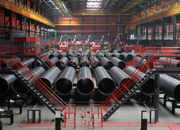 Threeway Steel is known as a professional supplier engaged in manufacturing and distributing a wide range of steel pipe, and our headquarter located the central part of China – Hunan and six associated factories throughout China.
 Threeway Steel is known as a professional supplier engaged in designing, manufacturing and distribution of a wide range of steel products with the headquarter located the central part of China – Hunan and six associated factories throughout China.
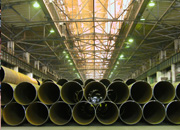 Threeway Steel is known as a professional supplier engaged in designing, manufacturing and distribution of a wide range of steel products with the headquarter located the central part of China – Hunan and six associated factories throughout China.
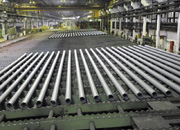 Threeway Steel is known as a professional supplier engaged in designing, manufacturing and distribution of a wide range of steel products with the headquarter located the central part of China – Hunan and six associated factories throughout China.
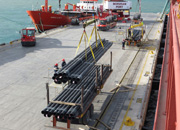 Threeway Steel is known as a professional supplier engaged in designing, manufacturing and distribution of a wide range of steel products with the headquarter located the central part of China – Hunan and six associated factories throughout China.