ASTM A53 and ASTM A500 round steel pipes look similar but serve different purposes. ASTM A53 covers black and hot-dipped galvanized welded and seamless carbon steel pipe for pressure and general piping applications, including water, gas, steam, and air systems. ASTM A500 covers cold-formed welded and seamless carbon steel structural tubing, primarily for building columns, steel frames, bridges, and load-bearing structures. A53 pipes are not automatically suitable for structural use, and A500 tubing should not be used for pressure piping without proper verification. Selection should consider the applicable standard, grade, manufacturing process, mechanical properties, wall thickness, and intended application. Material Test Certificates and product markings help confirm compliance.
What Is ASTM A53 Round Steel Pipe?
ASTM A53 round steel pipe is carbon steel pipe made to the ASTM A53 standard. It serves pressure, mechanical and general-purpose piping for water, gas, steam and air. This standard covers black and hot-dip galvanized, welded and seamless carbon steel pipe, with Grade A and Grade B as the two main grades.
Grade Comparison Table
|
Property
|
Grade A
|
Grade B
|
|
Min tensile strength
|
330 MPa (48,000 psi)
|
415 MPa (60,000 psi)
|
|
Min yield strength
|
205 MPa (30,000 psi)
|
240 MPa (35,000 psi)
|
|
Features
|
Lower strength
|
Higher tensile and yield strength
|
|
Typical use
|
Light-duty general service
|
Industrial piping and construction
|
Manufacturing Types
|
Type
|
Description
|
|
Type F
|
Furnace-butt welded pipe
|
|
Type E
|
ERW electric-resistance welded pipe
|
|
Type S
|
Seamless pipe, no longitudinal weld
|
Surface Options & Dimensions
-
Black pipe: Original mill surface, for general industrial piping
-
Hot-dip galvanized pipe: Zinc coating for better corrosion resistance
Common schedules: Schedule 40, Schedule 80; sized by NPS with customizable lengths.
Typical Applications
-
Water, natural gas and utility pipelines
-
Steam and compressed air industrial piping
-
Construction structural supports
-
Fire protection piping (per local codes)
-
Municipal and infrastructure utility networks
Quality & Compliance
Required inspections include chemical analysis, tensile test, flattening test, hydrostatic test and NDE as specified. Always check pipe marking and MTC (Material Test Certificate) for traceability.
What Is ASTM A500 Structural Round Steel Pipe?
ASTM A500 structural round steel pipe, also known as ASTM A500 round HSS tubing, is cold‑formed carbon steel tubing for structural load‑bearing purposes. Unlike ASTM A53 for pressure piping, ASTM A500 covers welded and seamless round, square and rectangular hollow sections for construction and infrastructure.
Grade Mechanical Properties Table
|
Grade
|
Min Yield Strength
|
Min Tensile Strength
|
Main Notes
|
|
A
|
230 MPa (33 ksi)
|
310 MPa (45 ksi)
|
Light structural loads
|
|
B
|
290 MPa (42 ksi)
|
400 MPa (58 ksi)
|
Most widely used grade
|
|
C
|
345 MPa (50 ksi)
|
425 MPa (62 ksi)
|
Higher yield strength for heavy loads
|
|
D
|
250 MPa (36 ksi)
|
400 MPa (58 ksi)
|
Special structural design
|
Values for round tubing; confirm against the latest ASTM edition and project specs. Grades B and C are the most common selections.
Manufacturing Types
-
Cold‑formed welded tubing: Mostly ERW, formed from steel strip then welded
-
Cold‑formed seamless tubing: Cold processed to target sizes without longitudinal weld
Cold forming delivers tight dimensional tolerances. Weld integrity and dimensions require inspection.
Key Features
-
Multiple strength grades for different load requirements
-
Precise OD and wall thickness from cold forming
-
Good weldability for cutting, drilling and site fabrication
-
Flexible round cross-section for various structural layouts
Typical Applications
-
Building columns, roof supports and structural frames
-
Bridge support components
-
Machinery and equipment frames
-
Industrial platforms, guardrails and supports
-
Transportation and public infrastructure
-
Agricultural sheds and commercial load-bearing structures
Quality Check Requirements
Verify grade, OD, wall thickness, length and production type. Standard tests include chemical analysis, tensile test and dimensional inspection. Check MTCs and marking for traceability, and confirm compliance with local building codes.
ASTM A53 vs. ASTM A500: Key Differences
ASTM A53 and ASTM A500 are widely used carbon steel standards for round tubular products. Though visually similar, they are engineered for distinct purposes and are generally not interchangeable.
Core Comparison Table
|
Item
|
ASTM A53
|
ASTM A500
|
|
Primary use
|
Pressure & general fluid piping
|
Load-bearing structural tubing
|
|
Common grades
|
Grade A, Grade B
|
Grade A, B, C, D
|
|
Product shapes
|
Round pipe only (NPS / schedule)
|
Round, square, rectangular HSS
|
|
Manufacturing types
|
Seamless S, ERW E, furnace-butt welded F
|
Cold-formed welded or seamless
|
|
Key tests
|
Tensile, flattening, hydrostatic test, NDT for welds
|
Chemical analysis, tensile test, dimensional inspection
|
|
Typical specs
|
Scheduled wall thickness for piping
|
OD + WT for structural design
|
Application Difference
-
ASTM A53: For transporting water, gas, steam, air; industrial piping, utility lines and fire protection piping (where codes allow).
-
ASTM A500: For building columns, frames, bridge supports, machinery bases and structural platforms.
Mechanical Property Note
ASTM A53 Grade B: min yield 240 MPa (35 ksi).
ASTM A500 Grade C round tubing: min yield 345 MPa (50 ksi).
Higher strength alone does not qualify the pipe for pressure service.
Selection Guide
|
Project Requirement
|
Standard to Choose
|
|
Water, gas, steam, air fluid piping
|
ASTM A53
|
|
Building columns, steel frames, load supports
|
ASTM A500
|
|
Square / rectangular hollow sections
|
ASTM A500
|
How to Identify ASTM A53 and ASTM A500 Round Steel Pipes
ASTM A53 and ASTM A500 round steel pipes look alike, but they follow different specs for piping and structural use. Visual inspection alone cannot confirm the standard. Always cross-check markings, MTCs, dimensions and documents.
Identification Reference Table
|
Item
|
ASTM A53
|
ASTM A500
|
|
Designation
|
NPS + Schedule (Sch40 / Sch80)
|
OD + wall thickness
|
|
Available shapes
|
Round only
|
Round, square, rectangular HSS
|
|
Grades
|
Grade A, Grade B
|
Grade A, B, C, D
|
|
Core purpose
|
Fluid & pressure piping
|
Load-bearing structural components
|
|
Production types
|
Seamless, ERW, furnace-butt welded
|
Cold-formed welded or seamless
|
Check Pipe Markings
Markings are the first quick check. Valid markings include:
-
ASTM standard number (A53 / A500)
-
Grade, manufacturer mark, size, heat number
-
Wall thickness or schedule info
Marking rules vary by standard edition and purchase contract, match markings with supporting documents.
Review Material Test Certificate (MTC)
MTC is the most reliable proof for material verification. Confirm these points:
-
Standard and grade match your order
-
Chemical composition, yield & tensile strength meet requirements
-
Heat number is traceable to the delivered pipe
-
Required test results are included
Check Dimensions & Manufacturing
A53 uses NPS and schedule system for piping. A500 round tubing is defined by OD and WT for structural design.
Note: Sizes can overlap, so dimension data is only a reference, not final proof.
Confirm Intended Service
-
Fluid transport, steam, gas, fire piping → ASTM A53
-
Building columns, frames, bridge and machinery supports → ASTM A500
Key Reminder
Similar appearance does not mean interchangeable. Never accept material only by visual look. If markings or certificates are inconsistent, clarify compliance before installation.
Can ASTM A53 and ASTM A500 Round Steel Pipes Be Used Interchangeably?
ASTM A53 and ASTM A500 round carbon steel pipes look similar and share overlapping sizes, but they are engineered for different service conditions. They are not automatically interchangeable without formal engineering review and approval.
Core Comparison Table for Substitution
|
Item
|
ASTM A53
|
ASTM A500
|
|
Primary design goal
|
Pressure piping, fluid transport
|
Load-bearing structural members
|
|
Key design checks
|
Pressure, temperature, hydrostatic test
|
Yield strength, buckling, bending stability
|
|
Mandatory tests
|
Hydrostatic test, flattening test, NDT for welds
|
Tensile test, dimensional inspection
|
|
Substitution risk
|
Not qualified for structural use by default
|
Not qualified for pressure piping by default
|
Can A500 replace A53?
Direct replacement is not allowed for pressure piping. Even if A500 has adequate strength and matching dimensions, it does not meet piping codes, hydrostatic testing and piping material requirements. Any substitution must get written approval from the project engineer.
Can A53 replace A500?
A53 cannot be treated as an equivalent structural tube.
Example: A53 Grade B min yield = 35 ksi (240 MPa); A500 Grade C min yield = 50 ksi (345 MPa).
The strength gap will change structural calculation results. Full property review and design approval are mandatory if substitution is considered.
Dual-certified pipe note
Dual certification is valid only when the product fully satisfies all requirements of both standards, supported by complete test records and traceable MTCs. Similar strength or dimensions alone do not count as dual certification.
Steps to avoid wrong substitution
-
Follow the ASTM standard marked on drawings and specs
-
Confirm grade, size and production type
-
Check pipe markings and MTC for consistency
-
Confirm compliance with relevant piping or structural codes
-
Secure written engineering approval before any material swap
How to Choose the Right Round Steel Pipe for Your Project
Selecting proper round steel pipe ensures project safety, stable performance and reasonable cost. ASTM A53 and ASTM A500 carbon steel pipes look similar, but they serve different purposes. Match the pipe type to your actual project needs.
Quick Selection Guide Table
|
Project Function
|
Recommended Standard
|
Key Grade Options
|
|
Water, gas, steam, air pressure piping
|
ASTM A53
|
Grade A, Grade B
|
|
Building columns, frames, load-bearing supports
|
ASTM A500
|
Grade A, B, C, D
|
|
Machinery & structural frames
|
ASTM A500
|
Grade B / Grade C
|
|
Fire protection piping (per codes)
|
ASTM A53
|
Grade B
|
Confirm the intended application
-
Fluid transport, pressure piping → ASTM A53
-
Load-bearing structural components → ASTM A500
Do not select pipe only by appearance or size.
Pick the correct standard and grade
-
ASTM A53 Grade B is widely used for industrial piping with higher strength.
-
ASTM A500 Grade C round tubing offers 50 ksi (345 MPa) minimum yield strength for heavy structural loads.
Higher strength does not make it fit all service conditions.
Assess working conditions
For piping: check design pressure, temperature, fluid property and corrosion risk.
For structural use: evaluate axial load, bending load, buckling resistance and connection design.
Confirm dimensions and wall thickness
-
ASTM A53: specified by NPS + Schedule (Sch 40 / Sch 80)
-
ASTM A500: specified by OD + wall thickness
Wall thickness must follow piping or structural design calculation, and match fittings.
Choose manufacturing type
-
ASTM A53: seamless, ERW, furnace-butt welded
-
ASTM A500: cold-formed welded or seamless
Seamless is not always superior; welded pipe is acceptable if it meets standard and inspection rules.
Verify quality documents
Check MTCs, chemical & mechanical test results, dimensional reports, hydrostatic test (for A53) and NDT records. Ensure pipe markings and heat numbers are traceable.
Surface protection & supplier
Select black steel or hot-dip galvanized coating based on site environment. Work with suppliers who can supply full inspection documents and on-time delivery.
Our Recommended ASTM A53 and ASTM A500 Round Steel Pipe Products and Global Shipping Services
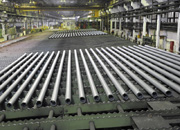
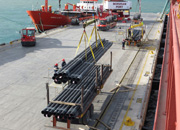
Supplies ASTM A53 and ASTM A500 round steel pipes for piping and structural applications. ASTM A53 products include Grade A, Grade B, seamless, ERW, and galvanized pipes for water, gas, steam, and industrial systems. ASTM A500 products include Grade B and Grade C round structural tubing for building frames, columns, machinery supports, and infrastructure projects. Buyers should confirm the applicable standard, grade, manufacturing type, outside diameter, wall thickness, length, quantity, surface treatment, and inspection requirements. Quality control covers chemical composition, mechanical properties, dimensions, weld inspection, hydrostatic testing, and Material Test Certificates. For international orders, we support protective packaging, container loading, export documentation, and global shipping coordination. Clear specifications help ensure accurate quotations and reliable delivery.
Conclusion:
ASTM A53 and ASTM A500 round steel pipes look similar but serve different purposes. ASTM A53 covers welded and seamless carbon steel pipes for pressure and general piping, including water, gas, steam, and air systems. ASTM A500 covers cold-formed welded and seamless carbon steel structural tubing for building columns, steel frames, bridges, and machinery supports. They are not automatically interchangeable; substitution requires verified test results, documentation, and engineering approval. Selection should consider intended application, grade, dimensions, manufacturing process, quality documentation, and applicable design codes.
FAQ:
1. What is the main difference between ASTM A53 and ASTM A500 round steel pipes?
ASTM A53 is primarily designed for piping and pressure applications, while ASTM A500 is intended for structural applications such as building frames, columns, and supports.
2. Is ASTM A500 suitable for water or gas pipelines?
Not automatically. ASTM A500 is a structural tubing specification and should not be used for pressure piping unless its suitability and compliance with the applicable piping codes are independently established and approved.
3. Can ASTM A53 round steel pipes be used for structural applications?
They may be considered for certain structural uses, but their mechanical properties and dimensions must meet the relevant structural design requirements.
4. How can I identify ASTM A53 and ASTM A500 steel pipes?
Check product markings, material grades, Material Test Certificates (MTCs), and manufacturing records. Visual appearance alone is not sufficient.
5. Which is stronger, ASTM A53 Grade B or ASTM A500 Grade C?
ASTM A500 Grade C round tubing has a higher specified minimum yield strength (50 ksi) than ASTM A53 Grade B pipe (35 ksi). However, overall suitability depends on the application and design requirements.
 Threeway Steel is known as a professional supplier engaged in manufacturing and distributing a wide range of steel pipe, and our headquarter located the central part of China – Hunan and six associated factories throughout China.
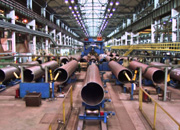 Threeway Steel is known as a professional supplier engaged in designing, manufacturing and distribution of a wide range of steel products with the headquarter located the central part of China – Hunan and six associated factories throughout China.
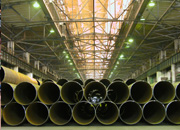 Threeway Steel is known as a professional supplier engaged in designing, manufacturing and distribution of a wide range of steel products with the headquarter located the central part of China – Hunan and six associated factories throughout China.
 Threeway Steel is known as a professional supplier engaged in designing, manufacturing and distribution of a wide range of steel products with the headquarter located the central part of China – Hunan and six associated factories throughout China.
 Threeway Steel is known as a professional supplier engaged in designing, manufacturing and distribution of a wide range of steel products with the headquarter located the central part of China – Hunan and six associated factories throughout China.