Selecting the right material for hot-rolled seamless steel pipes is essential for strength, toughness, weldability, and cost control. Common Chinese grades 20#, 45#, and 16Mn serve different applications. 20# is a low-carbon steel with good plasticity and weldability, suitable for general machinery and engineering. 45# is a medium-carbon steel offering higher strength and hardness, often used for shafts and machined components, but requires careful welding evaluation. 16Mn is a low-alloy structural grade designed for higher strength under specified loading conditions; buyers should verify the applicable standard and permitted replacement designation before ordering. Material choice must match the intended application, operating temperature, pressure, external loads, and fabrication requirements. Grade names alone do not confirm suitability or interchangeability. Always review material test certificates to confirm chemical composition, mechanical properties, delivery condition, and compliance with project specifications.
Overview of 20#, 45#, and 16Mn Hot-Rolled Seamless Steel Pipes
Hot-rolled seamless steel pipes are manufactured by heating a steel billet and forming it into a hollow tube without a longitudinal welded seam. Widely used for machinery, engineering, structural components, and industrial applications. Final performance depends on steel grade, manufacturing process, dimensions, and delivery condition.
20#, 45#, and 16Mn differ in chemical composition and intended applications. Understanding their characteristics helps buyers select suitable pipes.
Quick Comparison Table
|
Feature
|
20#
|
45#
|
16Mn
|
|
Steel type
|
Low-carbon steel
|
Medium-carbon steel
|
Historical low-alloy steel designation
|
|
Main characteristic
|
Weldability and plasticity
|
Strength and heat-treatment response
|
Strength-oriented engineering performance
|
|
Welding considerations
|
Generally favorable
|
Requires greater care
|
Depends on applicable specification and conditions
|
|
Common applications
|
General engineering and machinery
|
Machined mechanical components
|
Suitable structural and engineering applications
|
1. 20# Steel Pipe: Composition and Characteristics
Low-carbon steel grade commonly associated with GB/T 699 (Chinese standard for high-quality carbon structural steels). Relatively low carbon content generally provides good plasticity, toughness, and weldability under appropriate conditions.
Suitable for: general engineering and machinery applications; components requiring forming, machining, or welding—provided material specification and design requirements are satisfied.
2. 45# Steel Pipe: Composition and Characteristics
Medium-carbon steel grade also commonly associated with GB/T 699. Contains more carbon than 20#—can support higher strength and hardness, particularly after suitable heat treatment.
Frequently considered for: mechanical components requiring strength, wear resistance, or controlled hardness—shafts, cylinders, and other machined parts.
3. 16Mn Steel Pipe: Composition and Characteristics
Historical designation for a low-alloy, higher-strength steel used in Chinese engineering applications. Composition and properties differ from plain carbon steels such as 20# and 45#.
Associated with: structural and engineering applications where higher strength and suitable toughness are important.
Important: 16Mn should not be treated as interchangeable with a modern steel grade solely because names or typical properties appear similar. Verify the applicable standard, product form, delivery condition, and project-approved material designation.
Comparison of Chemical Composition and Mechanical Properties
The chemical composition and mechanical properties of hot-rolled seamless steel pipes determine their suitability for different engineering applications. Although 20#, 45#, and 16Mn can all be used in machinery and industrial projects, their carbon content, alloying elements, strength, hardness, toughness, and weldability differ significantly.
Quick Comparison Table
|
Property
|
20# Steel
|
45# Steel
|
16Mn Steel
|
|
Carbon content
|
Low
|
Medium
|
Low-alloy designation; verify applicable specification
|
|
Strength characteristics
|
Generally suitable for general engineering loads
|
Can achieve higher strength after suitable heat treatment
|
Commonly associated with strength-oriented structural applications
|
|
Hardness
|
Generally lower in normalized/hot-rolled condition than heat-treated 45#
|
Higher hardness potential through heat treatment
|
Depends on specified grade and delivery condition
|
|
Plasticity
|
Generally good
|
Generally lower than 20# in comparable conditions
|
Depends on grade and product condition
|
|
Toughness
|
Suitable for many general applications
|
Depends strongly on heat treatment and condition
|
Designed for suitable strength and toughness in specified applications
|
|
Weldability
|
Generally favorable
|
Requires more careful welding procedures
|
Must be assessed against applicable specification
|
Qualitative comparisons only—actual yield strength, tensile strength, elongation, hardness, and impact performance depend on product standard, dimensions, delivery condition, and heat treatment.
1. Chemical Composition Differences
Carbon is one of the most important elements affecting steel performance. In general:
2. Mechanical Properties: Strength, Hardness, and Toughness
Actual properties depend on product standard, dimensions, delivery condition, and heat treatment. Use certified values—not general descriptions—when designing equipment or approving materials.
3. Weldability, Machinability, and Formability
4. How Manufacturing and Heat Treatment Affect Performance
Hot rolling shapes the steel and influences microstructure and mechanical properties. Subsequent normalizing, quenching, tempering, or other heat treatments can further change strength, hardness, and toughness.
Steel grade alone does not fully determine final performance. Confirm manufacturing standard, delivery condition, dimensions, and required inspection results before ordering.
20# vs. 45# vs. 16Mn: Key Differences and Applications
Choosing between 20#, 45#, and 16Mn hot-rolled seamless steel pipes requires understanding their material characteristics and intended applications. Although all three are used in industrial manufacturing and engineering, they differ in carbon content, strength characteristics, weldability, and suitability for different working conditions.
The best choice depends on required mechanical performance, fabrication method, operating environment, and applicable material standard.
Main Differences at a Glance
|
Comparison Item
|
20# Steel Pipe
|
45# Steel Pipe
|
16Mn Steel Pipe
|
|
Material type
|
Low-carbon steel
|
Medium-carbon steel
|
Historical low-alloy steel designation
|
|
Main advantage
|
Good weldability and plasticity
|
Good potential for hardness and strength after heat treatment
|
Strength-oriented performance under applicable specification
|
|
Welding
|
Generally easier to weld
|
Requires more careful welding control
|
Depends on exact grade and welding procedure
|
|
Typical uses
|
General machinery, fluid transport, mechanical components
|
Mechanical parts, shafts, components requiring specified hardness
|
Engineering structures and pressure-related applications where specified grade is permitted
|
|
Key selection factor
|
Formability and fabrication needs
|
Strength, hardness, heat-treatment requirements
|
Required strength, toughness, standard compliance
|
General comparison only—actual performance depends on product standard, dimensions, and delivery condition.
1. Applications of 20# Hot-Rolled Seamless Steel Pipes
Widely used where good plasticity, weldability, and general mechanical performance are important. Relatively low carbon content makes it suitable for components requiring forming, machining, or welding.
When selecting, confirm: required wall thickness, dimensional tolerances, mechanical properties, and operating conditions. For pressure or high-temperature service: material must meet relevant design code and product standard.
2. Applications of 45# Hot-Rolled Seamless Steel Pipes
Contains more carbon than 20#—greater potential to achieve hardness and strength through suitable heat treatment.
Commonly used for: shafts, pins, rollers, and other machine parts requiring specific mechanical properties.
Important: 45# is not automatically the better choice for every application.
-
Welding characteristics generally less favorable than low-carbon steel
-
Final performance depends heavily on heat treatment and processing
-
Select based on verified property requirements—not carbon content alone
For seamless pipe applications: confirm applicable standard permits 45# for intended use.
3. Applications of 16Mn Hot-Rolled Seamless Steel Pipes
Historical low-alloy steel designation associated with strength-oriented engineering applications.
Depending on applicable specification and product form, may be used in machinery, engineering structures, and certain pressure-related applications.
Important: The designation should not be treated as automatically interchangeable with a modern steel grade.
Before purchasing, confirm:
This is particularly important for pressure equipment and other safety-critical applications.
Choosing the Right Grade
How to Select the Right Hot-Rolled Seamless Steel Pipe
Selecting the right hot-rolled seamless steel pipe requires more than comparing material grades. Buyers must consider intended application, mechanical properties, operating conditions, pipe dimensions, manufacturing standards, and total procurement cost.
The selection process should begin with the project's technical requirements—not price alone.
Selection Checklist at a Glance
1. Identify the Application and Operating Conditions
Determine how the steel pipe will be used—general machinery, mechanical components, fluid transportation, or structural applications may require different material properties.
2. Compare Material Grades and Mechanical Properties
Compare: specified yield strength, tensile strength, elongation, impact properties, and hardness where applicable. Actual values depend on governing standard, pipe dimensions, and delivery condition.
3. Confirm Pipe Dimensions and Manufacturing Standards
Pipe dimensions directly affect weight, installation, load capacity, and material consumption.
Confirm:
Verify that the supplier can provide hot-rolled seamless steel pipes manufactured to the required standard. The specification should identify material grade, testing requirements, inspection criteria, and delivery condition.
If the project requires particular NDE or third-party inspection, include these requirements in the purchase order.
4. Evaluate Quality Documentation and Supplier Reliability
Before placing an order:
Choose a supplier that can clearly communicate:
Clear communication reduces the risk of grade substitutions, dimensional discrepancies, and delivery problems.
5. Balance Quality, Cost, and Delivery
The lowest purchase price does not always provide the best overall value.
For international orders, confirm:
-
Quantity and packaging method
-
Destination port and shipping terms
-
Estimated lead time
-
Required export documents
Our Recommended Hot-Rolled Seamless Steel Pipe Products and Global Shipping Services
Supplies hot-rolled seamless steel pipes in 20#, 45#, and 16Mn for machinery, structural engineering, and fluid transportation. 20# suits general engineering requiring good weldability; 45# is preferred for mechanical components needing higher hardness and strength; 16Mn serves strength-oriented structural applications, with grade designation and applicable standard to be verified before ordering. Buyers should confirm outside diameter, wall thickness, length, quantity, delivery condition, and inspection requirements. Material test certificates should be reviewed to verify chemical composition and mechanical properties. For international orders, we coordinate export packaging, protective bundling, shipping documentation, and delivery to the agreed destination port. To request a quotation, please provide the steel grade, applicable standard, dimensions, quantity, intended application, and destination port. Confirming technical specifications and shipping terms in advance helps reduce procurement risks and ensures reliable supply for industrial and engineering projects. Contact Shengxing Steel Group Co., Ltd. to discuss your seamless pipe requirements and obtain a customized quotation.
Conclusion:
Choosing the right material for hot-rolled seamless steel pipes ensures performance, reliability, and cost efficiency. 20#, 45#, and 16Mn are not interchangeable. 20# is a low-carbon steel suited for applications requiring good plasticity and weldability. 45# is a medium-carbon steel preferred for mechanical components needing higher strength, hardness, and heat-treatment response, though welding requires careful evaluation. 16Mn is a historical low-alloy grade for strength-oriented engineering; buyers must verify the applicable standard and any modern equivalent before ordering. Selection should consider the intended application, mechanical properties, dimensions, inspection requirements, and total procurement cost, including fabrication, packaging, and transportation. For pressure-containing or safety-critical service, confirm compliance with the relevant design code. Always review material test certificates to verify chemical composition and mechanical properties.
FAQ:
FAQ 1: What Is the Main Difference Between 20# and 45# Seamless Steel Pipes?
Explain that 20# is a low-carbon steel generally offering better weldability and formability, while 45# has higher carbon content and can achieve greater hardness through suitable heat treatment.
FAQ 2: Is 16Mn Stronger Than 20# Steel?
Explain that 16Mn is a low-alloy, higher-strength steel designation generally intended for strength-oriented applications, but actual properties depend on the applicable standard and delivery condition.
FAQ 3: Which Material Is Best for Machining: 20#, 45#, or 16Mn?
Explain that 45# is often considered for mechanical components requiring suitable strength and heat-treatment response, while final selection depends on machining conditions and design requirements.
FAQ 4: Can 20#, 45#, and 16Mn Seamless Steel Pipes Be Interchanged?
Explain that substitution requires checking mechanical properties, chemical composition, applicable standards, service conditions, and engineering approval.
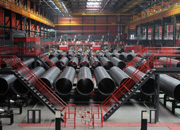 Threeway Steel is known as a professional supplier engaged in manufacturing and distributing a wide range of steel pipe, and our headquarter located the central part of China – Hunan and six associated factories throughout China.
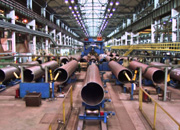 Threeway Steel is known as a professional supplier engaged in designing, manufacturing and distribution of a wide range of steel products with the headquarter located the central part of China – Hunan and six associated factories throughout China.
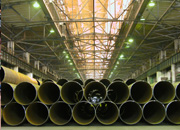 Threeway Steel is known as a professional supplier engaged in designing, manufacturing and distribution of a wide range of steel products with the headquarter located the central part of China – Hunan and six associated factories throughout China.
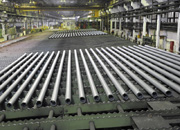 Threeway Steel is known as a professional supplier engaged in designing, manufacturing and distribution of a wide range of steel products with the headquarter located the central part of China – Hunan and six associated factories throughout China.
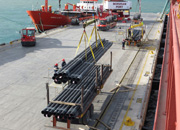 Threeway Steel is known as a professional supplier engaged in designing, manufacturing and distribution of a wide range of steel products with the headquarter located the central part of China – Hunan and six associated factories throughout China.