Selecting the right casing pipe connection is critical for well integrity, load transfer, and long-term sealing performance. Common API casing connections include STC, LTC, BTC, and premium hermetic connections. STC provides short engagement for conventional wells, while LTC offers longer engagement and improved joint strength. BTC uses a buttress thread profile to support higher tensile and compressive loads in deeper or higher-pressure wells. Premium connections add metal-to-metal seals and enhanced gas-tight performance for demanding services. No single connection is universally superior; suitability depends on pipe size, grade, pressure, temperature, and installation conditions.
Overview of STC, LTC, BTC, and Hermetic Casing Connections
Casing connections are critical to oil and gas well integrity. Different connection types offer different thread geometries, load-bearing characteristics, sealing capabilities, and installation requirements. The four common categories are STC, LTC, BTC, and hermetic/premium connections.
Understanding their differences helps drilling contractors, engineers, and procurement teams select casing that meets well design requirements while controlling installation and operating costs.
Connection Comparison Table
1. STC: Short Thread Coupling
Conventional API casing connection with a relatively short threaded engagement between casing ends and coupling.
Advantages: Straightforward installation and economical procurement for suitable conventional applications.
Consideration: Shorter thread engagement does not automatically provide the same load capacity as other designs in every configuration. Verify connection strength, casing dimensions, steel grade, and service conditions before selecting STC.
2. LTC: Long Thread Coupling
Compared with STC, LTC has a longer threaded engagement—a common option for conventional oil and gas well casing.
Characteristic: Longer thread geometry can provide different load-transfer characteristics, depending on pipe size, material properties, and connection design.
Consideration: Longer threads do not guarantee superior tensile strength or sealing in every application. The actual connection rating and acceptance requirements should guide selection.
3. BTC: Buttress Thread Coupling
Buttress thread profile designed for favorable load-bearing characteristics under appropriate loading conditions. Commonly used where its documented connection performance meets well design requirements.
Compared with STC and LTC: Different thread geometry and load-transfer mechanism—suitable for certain casing strings exposed to substantial axial loads.
Consideration: Correct installation is essential—thread condition, coupling compatibility, make-up procedures, and inspection all influence performance. Do not assume BTC is the strongest option for every size or service without checking relevant data.
4. Hermetic Buckles: Gas-Tight Premium Connections
Specialized connections engineered for enhanced sealing performance. May use metal-to-metal sealing surfaces, proprietary thread profiles, or other features for improved pressure containment.
Typical applications: Gas wells, high-pressure applications, and demanding services where leakage control is critical.
Considerations:
-
Not every premium connection has the same pressure rating or sealing capability
-
Review manufacturer qualification data, connection ratings, and testing requirements
-
May involve higher purchase costs and specific installation procedures (controlled make-up torque, specialized inspection)
Strength Comparison: STC vs. LTC vs. BTC vs. Hermetic Connections
Connection strength directly affects well integrity, load transfer, and leakage resistance. STC, LTC, BTC, and hermetic/premium connections have different designs—performance should be evaluated against specific well requirements.
Key point: A connection with higher tensile capacity may not provide better sealing, and a gas-tight connection is not automatically the strongest under every loading condition.
Connection Performance Comparison
|
Factor
|
STC
|
LTC
|
BTC
|
Hermetic / Premium
|
|
Thread design
|
Short engagement
|
Long engagement
|
Buttress profile
|
Varies by manufacturer
|
|
Tensile performance
|
Verify by size and grade
|
Verify by size and grade
|
Verify connection rating
|
Verify product-specific rating
|
|
Pressure sealing
|
Confirm service suitability
|
Confirm service suitability
|
Confirm service suitability
|
Enhanced sealing when properly designed and qualified
|
|
Installation
|
Follow specified make-up procedures
|
Follow specified make-up procedures
|
Control thread condition and make-up
|
May require specialized procedures
|
|
Cost
|
Often economical
|
Often economical
|
Depends on specification
|
Generally higher, depending on design
|
Qualitative guide only—not a universal ranking. Actual ratings from API specifications, project requirements, and manufacturer data.
1. Tensile Strength and Axial Load Capacity
Critical distinction: pipe-body strength ≠ connection strength. Verify both when designing a casing string.
2. Pressure Resistance and Sealing Performance
Casing connections must maintain adequate sealing under expected internal and external pressure. Leakage compromises well integrity—especially in gas wells and high-pressure applications.
Pressure performance depends on more than thread type: geometry, make-up torque, surface condition, temperature changes, pressure cycling, and manufacturing quality all affect sealing reliability.
3. How to Interpret Strength Differences
The right connection satisfies combined mechanical and sealing requirements.
Before procurement, confirm:
-
Casing size and steel grade
-
Wall thickness
-
Connection rating
-
Operating pressure and temperature
-
Installation requirements
Reviewing these factors together prevents the common mistake of choosing a connection based on a single strength characteristic.
How to Choose the Right Casing Pipe Buckle Type
Selecting the right casing connection (buckle type) is essential for well integrity, drilling cost control, and long-term performance. STC, LTC, BTC, and hermetic/premium connections have different mechanical and sealing characteristics. The best option depends on well depth, axial loads, pressure, temperature, gas-tight requirements, and project specifications.
Do not choose based on price or thread design alone—evaluate documented performance against actual operating conditions.
Selection Checklist
1. Consider Well Depth and Axial Loads
Deep wells place substantial tensile loads on casing joints—connection capacity is a key factor.
Calculate expected loads and safety margins before selecting. Distinguish casing-body strength from connection strength—the two ratings are not necessarily identical.
2. Evaluate Pressure, Temperature, and Sealing Requirements
Internal pressure, external pressure, and temperature fluctuations affect connection performance. Gas wells and high-pressure applications may require enhanced sealing.
Not all premium connections provide identical performance. Verify pressure ratings, qualification tests, temperature limits, and operating restrictions. The connection must suit combined loading conditions—not just one pressure value.
3. Match the Connection to Casing Size and Steel Grade
Casing OD, wall thickness, steel grade, and connection dimensions must be compatible. A connection meeting requirements for one configuration may not perform the same for another.
Before ordering, confirm:
-
Applicable API 5CT requirements
-
Connection designation
-
Relevant thread specifications
-
For premium connections: manufacturer technical documentation and qualification data
Thread quality matters: damaged threads, incompatible couplings, improper thread compound, or incorrect make-up procedures reduce reliability—even when the connection type is appropriate.
4. Balance Cost, Installation, and Service Life
Additional premium investment may be justified when leakage or failure would create substantial operational risks.
Compare total lifecycle cost—including installation, inspection, maintenance, and potential workover expenses—not just initial purchase price.
Common Mistakes When Selecting Casing Pipe Connections
Selecting the wrong casing connection can increase drilling costs, compromise well integrity, and create installation or operational problems. STC, LTC, BTC, and hermetic/premium connections have different mechanical and sealing characteristics—but buyers sometimes focus on a single feature (tensile strength or price) without considering the complete well design.
Understanding common mistakes helps drilling contractors, engineers, and procurement teams make better decisions and reduce avoidable risks.
Common Mistakes at a Glance
1. Assuming BTC Is Always Stronger Than STC and LTC
The mistake: Assuming BTC is automatically stronger in every application. BTC uses a buttress thread profile for favorable load-bearing under appropriate conditions—but actual performance depends on casing dimensions, steel grade, thread geometry, and manufacturing quality.
Similarly, LTC's longer engagement than STC does not guarantee higher connection strength in every configuration.
How to avoid: Compare documented connection ratings for the exact casing size, wall thickness, and grade. Use API requirements and manufacturer data—not the thread designation alone.
2. Confusing Pipe-Body Strength with Connection Strength
The mistake: Checking only steel grade or pipe-body tensile strength, overlooking the connection's actual limitations. A casing body may meet tensile requirements while the threaded connection has a different load capacity—especially important in deep wells with substantial axial loads.
How to avoid: Verify both pipe-body and connection performance. Confirm the connection withstands expected loads with required design margins.
3. Ignoring Gas-Tight Sealing Requirements
The mistake: Treating conventional STC, LTC, and BTC connections as automatically qualified gas-tight. In gas wells or demanding pressure applications, leakage prevention may be critical.
Premium connections may provide enhanced sealing through metal-to-metal seals or other engineered features—but not every premium connection has the same pressure rating or qualification.
How to avoid: Determine required sealing performance before procurement. Confirm documented pressure capability, qualification status, and suitability for the intended service.
4. Overlooking Installation and Make-Up Procedures
The mistake: Even a suitable connection can underperform if installed incorrectly—damaged threads, contaminated surfaces, unsuitable thread compound, incorrect make-up torque, or incompatible couplings.
Premium connections may also require specific handling tools, inspection procedures, and manufacturer-approved make-up practices.
How to avoid: Follow installation instructions, inspect threads before assembly, use specified equipment and procedures. Ensure installation personnel understand the requirements.
5. Choosing Based on Purchase Price Alone
The mistake: STC and LTC may be economical for suitable conventional applications; premium connections cost more but may be justified where enhanced sealing or specialized mechanical performance is required. Selecting the cheapest option without assessing well conditions increases risk of leakage, workovers, downtime, and additional expenses.
How to avoid: Evaluate total lifecycle cost—procurement, installation, inspection, maintenance, and potential failure consequences. Select the least costly option that fully satisfies engineering requirements.
6. Failing to Verify Standards and Product Compatibility
The mistake: Ordering without confirming connection designation, dimensions, steel grade, coupling compatibility, and applicable specifications—leading to incorrect deliveries, installation delays, or nonconforming materials.
How to avoid: Specify in the purchase order:
-
Casing size, grade, wall thickness
-
Connection type and applicable API standards
-
Inspection requirements and documentation
-
For premium connections: manufacturer-specific technical data and qualification documents
Our Recommended Casing Pipe Products and Global Shipping Services
Supplies
API 5CT casing pipe with STC, LTC, BTC, and premium hermetic connections for oil and gas drilling. Selection should be based on outside diameter, wall thickness, steel grade, well depth, pressure, tensile and compressive loads, and gas-tight sealing requirements. Quality support covers dimensional and thread inspection, mechanical testing, nondestructive examination, third-party verification, material test certificates, and heat-number traceability. For international procurement, we coordinate export packaging, thread protection, shipping documentation, Incoterms, and delivery planning by destination and order volume. To request a quotation, provide size, grade, wall thickness, connection type, quantity, length, applicable standard, inspection scope, and destination port. Confirming specifications early helps reduce procurement risk and supports reliable casing string performance.
Conclusion:
Selecting the right casing pipe connection is critical for well integrity, drilling efficiency, and long-term cost control. STC, LTC, BTC, and premium hermetic connections differ in thread design, load-bearing capacity, and sealing performance. There is no universal “best” connection; suitability depends on casing size, steel grade, axial loads, pressure, temperature, and installation conditions. STC and LTC are often considered for conventional applications, BTC for higher tensile and compressive loading, and premium connections when enhanced gas-tight sealing is required.
FAQ:
FAQ 1: What is the difference between STC, LTC, and BTC casing threads?
STC uses a short-thread connection, LTC uses a longer threaded engagement, and BTC uses a buttress thread profile designed for appropriate axial loading applications.
FAQ 2: Which casing connection is strongest: STC, LTC, or BTC?
There is no universal ranking for every casing size and grade. Connection strength depends on geometry, material, dimensions, and the applicable performance data.
FAQ 3: Are BTC connections gas-tight?
BTC is a conventional buttress-thread connection and should not automatically be treated as a qualified gas-tight premium connection. Confirm sealing performance against the specified requirements.
FAQ 4: When should I choose a hermetic or premium casing connection?
Consider a qualified premium connection when the well requires enhanced gas-tight sealing or must withstand demanding pressure, temperature, or cyclic loading conditions.

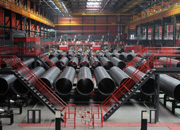 Threeway Steel is known as a professional supplier engaged in manufacturing and distributing a wide range of steel pipe, and our headquarter located the central part of China – Hunan and six associated factories throughout China.
 Threeway Steel is known as a professional supplier engaged in designing, manufacturing and distribution of a wide range of steel products with the headquarter located the central part of China – Hunan and six associated factories throughout China.
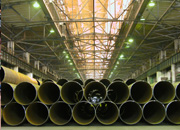 Threeway Steel is known as a professional supplier engaged in designing, manufacturing and distribution of a wide range of steel products with the headquarter located the central part of China – Hunan and six associated factories throughout China.
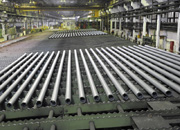 Threeway Steel is known as a professional supplier engaged in designing, manufacturing and distribution of a wide range of steel products with the headquarter located the central part of China – Hunan and six associated factories throughout China.
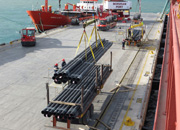 Threeway Steel is known as a professional supplier engaged in designing, manufacturing and distribution of a wide range of steel products with the headquarter located the central part of China – Hunan and six associated factories throughout China.