Bushings in oil and gas equipment such as drilling assemblies, pumps, and valves face sulfide stress cracking (SSC) risk in H₂S-containing sour service environments. SSC is environmentally assisted cracking driven by tensile stress, excessive hardness, unsuitable microstructure, H₂S partial pressure, pH, and temperature. NACE MR0175/ISO 15156 provides material selection and qualification requirements to reduce SSC and related environmental cracking, but compliance depends on material category, product form, heat-treatment condition, and operating environment; it cannot be assumed from a “sour-service” label alone. SSC testing methods such as NACE TM0177 may be required, supported by material traceability, hardness verification, and inspection records. Passing a specific SSC test does not guarantee suitability for every H₂S environment.
NACE MR0175/ISO 15156 and Sour Service Requirements
NACE MR0175/ISO 15156 is an important reference for selecting metallic materials used in oil and gas production environments containing hydrogen sulfide (H₂S). These environments can increase the risk of sulfide stress cracking (SSC) and other hydrogen-related damage in susceptible materials.
For bushings used in pumps, valves, drilling equipment, and other oilfield assemblies, understanding sour service requirements helps manufacturers select suitable materials and reduce premature failure risk.
Compliance is not simply a matter of choosing a particular steel grade. It requires evaluating material, manufacturing condition, mechanical properties, and actual service environment against the relevant standard requirements.
What Is NACE MR0175/ISO 15156?
NACE MR0175 is commonly referenced alongside ISO 15156, which addresses material selection and qualification for H₂S-containing environments in oil and gas production.
The applicable part depends on the material used in the bushing. Requirements may address:
A material's commercial designation alone does not establish compliance. Verify that the specific material and its condition meet the applicable provisions and project requirements.
Understanding Sour Service and Acid Service
Example: A bushing exposed to H₂S-containing production fluid may require evaluation under ISO 15156; a component exposed to a different acidic chemical may need a separate corrosion compatibility assessment.
Define the actual fluid composition and operating conditions before choosing a material.
Which Bushings May Require Sour Service Qualification?
Bushings used in oilfield pumps, valves, drilling assemblies, and production equipment may require sour service material evaluation when exposed to H₂S-containing fluids and relevant stress conditions.
The required qualification depends on: component material, function, loading, exposure, and applicable project specification.
Not every bushing automatically requires an SSC test—the standard does not impose one identical testing procedure on all materials.
Key Compliance Points
Before purchasing bushings for sour service, confirm:
SSC Risk Factors for Bushings in H₂S Environments
Sulfide stress cracking (SSC) is a major material integrity concern for bushings in oil and gas equipment exposed to hydrogen sulfide (H₂S). SSC can occur when a susceptible metallic material is exposed to an H₂S-containing environment while experiencing tensile stress. Cracking may compromise component integrity, cause unexpected equipment failure, and increase maintenance costs.
Risk depends on several interacting factors: material composition, hardness, heat treatment, residual stress, and operating conditions. Understanding these helps manufacturers select appropriate bushing materials and determine whether additional testing or qualification is required under NACE MR0175/ISO 15156.
SSC Risk Factors Overview
1. Material Composition and Metallurgical Structure
Chemical composition and microstructure significantly influence SSC resistance. Carbon steel, low-alloy steel, and corrosion-resistant alloys have different properties and qualification requirements.
Factors affecting behavior:
-
Alloying elements
-
Inclusions
-
Segregation
-
Grain structure
-
Heat-treatment condition
Even products manufactured to the same nominal grade can differ in performance if processing conditions or material quality are inconsistent.
Material selection should be based on ISO 15156 requirements—not the commercial grade name alone. Verify material specification, product form, manufacturing condition, and supporting documentation.
2. Hardness, Strength, and Residual Stress
Hardness is an important consideration—some materials become more vulnerable to cracking when hardness or strength exceeds limits permitted for the relevant sour service conditions.
Hardness testing supports material verification but does not independently prove NACE MR0175/ISO 15156 compliance. Other material and environmental requirements must also be considered.
3. Operating Environment and Service Conditions
These parameters must be assessed together. A material suitable for one sour service environment may not be suitable for another with different chemical conditions or loading.
4. Manufacturing Quality and Testing
Consistent manufacturing quality reduces uncertainty. Relevant controls may include:
-
Chemical analysis
-
Heat-treatment records
-
Hardness measurements
-
Mechanical testing
-
Material traceability
Where required, SSC testing using a method such as NACE TM0177 can evaluate cracking resistance under specified conditions. The test method, specimen configuration, and acceptance criteria must match the applicable material and project requirements.
SSC Testing Requirements and Methods for Bushings
Sulfide stress cracking (SSC) testing evaluates whether metallic materials can resist cracking under specified hydrogen sulfide (H₂S) exposure and tensile stress conditions. For bushings in oil and gas equipment, testing may verify material suitability when required by NACE MR0175/ISO 15156, project specifications, or purchaser requirements.
SSC testing is not automatically mandatory for every bushing. Requirements depend on material category, manufacturing condition, service environment, and qualification route permitted by the relevant standard.
SSC Testing Overview
1. Common SSC Test Methods
NACE TM0177 is a widely recognized method for evaluating resistance of metals to SSC and other hydrogen-related cracking under defined laboratory conditions.
The appropriate method depends on: material, specimen geometry, and purpose of evaluation.
For bushings, test specimens may need to represent the relevant material condition, including heat treatment and manufacturing history. Since finished bushing geometry may not suit every standardized test configuration, the testing laboratory and responsible engineer should confirm the appropriate specimen preparation and qualification approach.
SSC testing should not be confused with general corrosion testing. A material may show acceptable general corrosion performance but still be susceptible to cracking under particular H₂S exposure and stress conditions.
2. Test Conditions and Acceptance Criteria
Reliability depends on controlling test conditions:
Acceptance criteria should be established before testing. Depending on method and project requirements, evaluation may include checking for cracking or failure during the specified exposure period.
There is no single universal SSC test condition or acceptance criterion for every bushing material. The selected procedure must be appropriate to the material and qualification objective.
3. Hardness Testing and Material Verification
Hardness testing is an important part of sour service material control. Excessive hardness may increase SSC susceptibility in certain materials—verify applicable hardness limits and measurement requirements.
Other checks may include:
-
Chemical composition analysis
-
Tensile testing
-
Metallographic examination
-
Heat-treatment verification
Material test certificates and batch identification help establish traceability between tested material and delivered bushings.
These checks complement SSC testing but do not replace the need to assess the actual service environment.
4. SSC Testing vs. Other Corrosion Tests
NACE MR0175 Compliance Points When Selecting Bushing Materials
Selecting suitable bushing materials for sour service requires more than checking a material grade or nominal strength. NACE MR0175, commonly referenced alongside ISO 15156, provides guidance for selecting and qualifying metallic materials used in H₂S-containing environments in oil and gas production.
Compliance depends on the material, its condition, and the specific service environment.
Compliance Checklist at a Glance
1. Confirm the Actual Service Environment
Before selecting a bushing, identify:
The term acid service can describe different environments. Establish whether the application involves H₂S-containing sour service and whether other corrosion mechanisms also need consideration.
2. Verify the Material Grade and Metallurgical Condition
Not every stainless steel, carbon steel, or alloy is automatically suitable for sour service. Material selection should follow ISO 15156 provisions for the specific material category.
For bushings, verification should cover more than the material name:
Where hardness restrictions apply, the finished material must meet relevant limits. Excessive hardness can increase SSC susceptibility—review heat treatment and manufacturing controls as part of qualification.
3. Determine Whether SSC Testing Is Required
SSC testing may be necessary when specified by:
NACE TM0177 is a commonly used method for evaluating resistance to sulfide stress cracking under defined laboratory conditions.
Before accepting test results, confirm:
-
Tested material represents the bushing material (grade, heat treatment, manufacturing condition)
-
Test method, environmental conditions, applied stress, duration, and acceptance criteria are appropriate
A successful test does not guarantee performance under every sour service condition. Interpret testing alongside the actual operating environment and applicable qualification requirements.
4. Check Documentation and Traceability
Documents should be consistent with the actual product and order specification. A general statement such as "NACE compliant" is not sufficient evidence if supporting material and qualification details are unavailable.
5. Review the Complete Bushing Design
Material suitability is only one part of reliable performance. Consider:
-
Dimensional tolerances
-
Surface finish
-
Contact pressure
-
Installation loads
-
Stress concentrations
Our Recommended Bushings and Global Shipping Services
Supplies bushings for oil and gas equipment, with selection based on material grade, dimensions, mechanical properties, hardness, heat-treatment condition, and applicable NACE MR0175/ISO 15156 requirements. For sour service applications, buyers should specify H₂S exposure, operating temperature, stress conditions, required SSC testing, and inspection documentation. Compliance cannot be assumed from grade alone; material test certificates, chemical and mechanical reports, hardness records, heat-treatment records, and SSC test reports should be confirmed before approval. We review customer-provided specifications and coordinate product options, protective packaging, marking, export documentation, and global shipping for each order. To request a quotation, provide intended application, grade, outer and inner diameter, length, wall thickness, quantity, destination, and any sour-service or testing requirements. Confirming technical specifications, compliance evidence, and delivery terms before ordering helps reduce procurement risk and supports reliable bushing sourcing.
Conclusion:
Reliable bushing performance in sour service requires suitable material selection, controlled manufacturing, and verified NACE MR0175/ISO 15156 compliance. In H₂S-containing oil and gas environments, improper materials increase sulfide stress cracking (SSC) risk. Compliance cannot be determined by grade alone; H₂S partial pressure, pH, temperature, applied stress, hardness, heat treatment, and microstructure must all be evaluated. SSC testing such as NACE TM0177 may be required, but passing a test does not guarantee suitability for every sour service condition. Buyers should confirm material certificates, hardness records, heat-treatment records, and SSC test reports with full traceability.
FAQ:
Q1: What is SSC testing for bushings?
SSC testing evaluates a material's susceptibility to sulfide stress cracking under specified test conditions that simulate relevant H₂S-containing environments.
Q2: Does NACE MR0175 require every bushing to undergo SSC testing?
No. Requirements depend on the material, applicable provisions of ISO 15156, service conditions, and project or purchaser specifications.
Q3: Is hardness testing enough to prove NACE MR0175 compliance?
No. Hardness is an important control, but compliance may also require verification of material category, chemical composition, heat treatment, environmental limits, and other specified requirements.
Q4: Does passing NACE TM0177 guarantee that a bushing is suitable for all sour service applications?
No. Test results apply to the specified material condition and test conditions. Suitability must still be assessed against the actual service environment and applicable requirements.

 Threeway Steel is known as a professional supplier engaged in manufacturing and distributing a wide range of steel pipe, and our headquarter located the central part of China – Hunan and six associated factories throughout China.
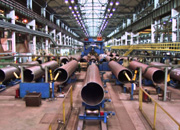 Threeway Steel is known as a professional supplier engaged in designing, manufacturing and distribution of a wide range of steel products with the headquarter located the central part of China – Hunan and six associated factories throughout China.
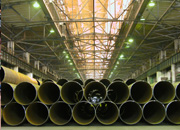 Threeway Steel is known as a professional supplier engaged in designing, manufacturing and distribution of a wide range of steel products with the headquarter located the central part of China – Hunan and six associated factories throughout China.
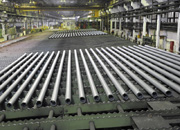 Threeway Steel is known as a professional supplier engaged in designing, manufacturing and distribution of a wide range of steel products with the headquarter located the central part of China – Hunan and six associated factories throughout China.
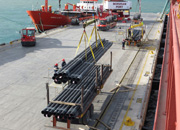 Threeway Steel is known as a professional supplier engaged in designing, manufacturing and distribution of a wide range of steel products with the headquarter located the central part of China – Hunan and six associated factories throughout China.