ASTM steel pipes are essential in modern construction, widely used in commercial buildings, bridges, marine structures, and deep foundation projects. ASTM International standards establish consistent requirements for material quality, mechanical properties, and dimensions, ensuring reliability across applications.
Key standards include ASTM A53 for general-purpose black and galvanized pipes, ASTM A500 for cold-formed structural tubing used in columns and frames, and ASTM A252 for steel pipe piles in foundation engineering. Each serves distinct structural purposes, from load-bearing supports to transferring structural loads to stable soil layers.
ASTM pipes offer excellent strength-to-weight ratios and design flexibility, available in various diameters, wall thicknesses, and cross-sections. They can be seamless or welded, fabricated into diverse structural components, and installed using impact driving, vibratory methods, or bored pile systems.
Common ASTM Steel Pipe Standards Used in Building Structures and Pile Foundations
ASTM pipe standards define chemical, mechanical, dimensional and testing rules for steel tubulars. ASTM A53, A500 and A252 are widely used in construction and foundation work, but they are not interchangeable.
|
Standard
|
Product Type
|
Typical Grades
|
Core Use
|
|
ASTM A53
|
Welded / seamless black & galvanized pipe
|
Grade A, Grade B
|
General piping, building service lines, simple supports
|
|
ASTM A500
|
Cold-formed structural tubing (round, square, rectangular)
|
A, B, C, D
|
Building frames, columns, trusses, load-bearing structures
|
|
ASTM A252
|
Welded / seamless steel pipe piles
|
Grade 1, 2, 3
|
Foundation pipe piles, bridge, port and waterfront foundations
|
ASTM A53 Steel Pipe
ASTM A53 covers seamless and welded carbon steel pipe, available black or hot-dip galvanized. Grade B is the common higher strength option.
It is for general pressure and mechanical piping. It can be used for minor structural supports, but it is not dedicated structural tubing. ASTM A500 is preferred for engineered structural members.
ASTM A500 Structural Tubing
ASTM A500 is the key standard for cold-formed hollow structural sections (HSS), including round, square and rectangular shapes.
It offers favorable strength-to-weight ratio, good weldability and design flexibility. Typical applications: steel columns, building frames, roof trusses, warehouse structures and bridge components.
ASTM A252 Steel Pipe Piles
ASTM A252 is specially made for pipe piles that transfer superstructure loads to deep soil or bedrock.
|
A252 Grade
|
Min Yield Strength
|
|
Grade 1
|
30,000 psi (205 MPa)
|
|
Grade 2
|
35,000 psi (240 MPa)
|
|
Grade 3
|
45,000 psi (310 MPa)
|
Piles can be open-ended or closed-ended, and used for concrete-filled composite pile systems. Common projects: buildings, bridges, ports and heavy civil works.
Other Related ASTM Standards
-
ASTM A106: Seamless carbon steel pipe for high-temperature process piping, not for general structural use.
-
ASTM A709: Structural steel for bridges; it is a material specification, not a pipe product standard.
Engineers must follow the project specification and confirm product form before selection.
Applications of ASTM Steel Pipes in Building Structures
ASTM steel tubular products are popular for building construction due to high strength, flexible design and easy fabrication. ASTM A500 hollow structural sections (round, square, rectangular) are the primary choice for structural members, while ASTM A53 pipe is adopted for less critical uses when approved.
|
Application
|
Preferred Standard
|
Section Types
|
Key Notes
|
|
Building columns & vertical supports
|
ASTM A500
|
Round, square
|
Resist axial compression and bending; check buckling and code requirements
|
|
Steel frames, beams & bracing
|
ASTM A500
|
Square, rectangular, round
|
Flat faces simplify connections for industrial & commercial frames
|
|
Roof trusses & large-span structures
|
ASTM A500
|
Round, square, rectangular
|
Good torsional performance; calculate wind, snow and roof loads
|
|
Industrial & warehouse structures
|
ASTM A500
|
All HSS shapes
|
Supports cranes, equipment platforms and storage systems
|
|
Temporary construction supports
|
ASTM A500 / ASTM A53
|
Round
|
Requires separate safety assessment; not automatically qualified for scaffolding
|
Building Columns and Load-Bearing Supports
Hollow tubes work well for vertical columns. ASTM A500 round and square HSS are widely used in industrial, commercial and multi-story buildings.
Designers must evaluate axial load, buckling resistance, wall thickness and connection details per local building codes.
Steel Frames and Building Structures
Square and rectangular tubing is favored for frames, beams and bracing. Flat surfaces make welding and bolting easier.
Commonly seen in factories, workshops and retail buildings, with sizes matched to different load cases and architectural layouts.
Roof Trusses and Large-Span Structures
Tubular members are used for trusses, canopies, stadiums and exhibition halls. Closed sections deliver good torsional stiffness and a neat visual effect.
Roof loads, wind pressure, snow load and welding quality are critical design factors.
Industrial Buildings and Warehouse Facilities
These structures often carry heavy loads from overhead cranes, machinery and racking systems.
ASTM A500 HSS serves columns, support frames and equipment platforms. Section size and grade follow engineering loading specs.
Temporary Supports and Construction Structures
Steel pipes can be used for temporary bracing and access frames.
Important reminder: the material standard alone does not guarantee suitability. Size, mechanical properties and safety rules must be reviewed separately for scaffolding.
Applications of ASTM Steel Pipes in Pile Foundations
ASTM steel pipe piles transfer superstructure loads down to stable deep soil or bedrock. ASTM A252 is the dedicated standard for seamless and welded steel pipe piles, widely used across buildings, bridges, ports and waterfront works. Selection depends on soil conditions, load demand, installation method and corrosion risks.
|
Application
|
Preferred Standard
|
Key Features & Notes
|
|
Building deep foundations
|
ASTM A252
|
Single piles or pile groups with pile caps; for heavy commercial & industrial buildings
|
|
Driven pipe piles
|
ASTM A252
|
Impact/vibration driving; check driving stress, add driving shoes if needed
|
|
Bored & concrete-filled piles
|
ASTM A252
|
Steel casing + concrete composite structure; high axial and lateral load capacity
|
|
Marine & waterfront foundations
|
ASTM A252
|
Docks, piers, jetties; corrosion protection (coating, cathodic protection) required
|
|
Bridge & civil infrastructure foundations
|
ASTM A252
|
Resist vertical, lateral, scour and impact loads; based on geotechnical reports
|
Deep Foundation Systems for Buildings
When shallow soil bearing capacity is inadequate, A252 pipe piles carry loads from columns and pile caps to deep competent strata.
They are widely used for commercial buildings, factories and warehouses. Pile diameter and wall thickness are matched to bearing capacity and soil profile. Piles can be arranged as single units or pile groups.
Driven Steel Pipe Piles
Driven piles are advanced by impact or vibration. The tubular section withstands installation stresses.
Engineers shall assess driving resistance and stress, and specify driving shoes or reinforcement when necessary. Typical for bridges and large infrastructure.
Bored and Concrete-Filled Pipe Piles
Steel pipes act as permanent casing or structural shell in bored piles. Concrete-filled pipe piles combine steel confinement and concrete strength for composite load performance.
This solution suits projects requiring high axial and lateral load resistance.
Marine and Waterfront Foundations
Pipe piles are common for docks, piers, jetties and port facilities. Seawater exposure brings high corrosion risk.
Protective measures including coatings, cathodic protection and corrosion allowance must be included in design.
Bridge and Infrastructure Foundations
A252 pipe piles support bridges, highway structures and retaining walls.
Design needs to address vertical loads, lateral forces, water scour, soil movement and vessel impact. Pile size and length are determined by geotechnical investigation and structural calculation.
Advantages of Using ASTM Steel Pipes in Building and Foundation Projects
ASTM steel tubulars are widely adopted for building structures and pile foundations. Different ASTM standards define dedicated products for structural framing or deep piles, with consistent mechanical, dimensional and testing rules for construction design.
|
Benefit
|
Brief Explanation
|
|
Reliable mechanical performance
|
Clear yield, tensile and elongation values for structural calculation
|
|
Standardized quality control
|
Unified manufacturing, testing and MTC requirements for easy procurement
|
|
Flexible design options
|
Round, square, rectangular shapes; various OD, wall thickness and lengths
|
|
Favorable strength-to-weight ratio
|
Hollow sections reduce self-weight while retaining high load capacity
|
|
High construction adaptability
|
Easy cutting, welding and connection; supports driven, bored and composite pile systems
|
|
Long service life potential
|
Durable with proper anti-corrosion treatment for underground, marine and outdoor use
|
Reliable Mechanical Properties
Each ASTM standard and grade sets fixed mechanical indexes. ASTM A500 is for building load-bearing members, while ASTM A252 is engineered for pipe piles.
Engineers can use certified data for structural and geotechnical calculation. Final capacity also relies on pipe size, connection design and installation quality.
Standardized Manufacturing and Quality Control
ASTM specs cover production, dimension tolerance and inspection items such as chemical analysis and tensile tests. Mill test certificates simplify material acceptance and project documentation.
Standard rules lower communication risks between manufacturers, suppliers, contractors and designers.
Flexible Dimensions and Structural Design
A500 supplies round, square and rectangular HSS; A252 mainly provides round pipe piles.
A wide range of diameters and wall thicknesses supports customized design for different load and architectural requirements.
Good Strength-to-Weight Characteristics
Hollow sections deliver high stiffness and bearing capacity with less steel compared to solid sections, cutting dead load for frames, trusses and columns.
Optimized A252 pipe piles transfer foundation loads efficiently to deep stable soil or rock.
Adaptability to Different Construction Methods
ASTM steel pipes can be fabricated by cutting, welding and bolting. Pipe piles suit impact driving, vibratory driving or bored casing applications.
They fit commercial buildings, factories, bridges, ports and other civil infrastructure.
Potential for Long-Term Service Performance
Service life depends on engineering control. For underground and marine environments, corrosion protection such as coatings, cathodic protection and corrosion allowance is mandatory.
How to Choose Suitable ASTM Steel Pipes for Building Structures and Pile Foundations
Correct ASTM pipe selection guarantees structural safety and foundation stability. Engineers and buyers need to assess usage, grade, size, fabrication, corrosion risk and inspection requirements before ordering.
|
Selection Factor
|
Key Guidance
|
|
Application & Standard
|
A500 for building structural HSS; A252 for pipe piles; A53 for general piping. Standards are not interchangeable
|
|
Steel Grade
|
Match yield / tensile strength with design loads; higher grade is not always the best choice
|
|
OD & Wall Thickness
|
Calculated by structural or geotechnical analysis; consider buckling, bearing capacity, driving stress and corrosion allowance
|
|
Manufacturing Type
|
Seamless or welded; verify weld quality and dimensional accuracy
|
|
Corrosion Protection
|
Coatings, galvanizing, cathodic protection or corrosion allowance for underground, coastal and marine service
|
|
Inspection & Documents
|
MTC, chemical & tensile tests, visual and NDT as required by project specs
|
|
Supplier & Delivery
|
Confirm production capacity, packaging, lead time and export details
|
Identify the Intended Application
Match the standard to your usage:
-
ASTM A500: Columns, frames, roof trusses and other load-bearing structural hollow sections
-
ASTM A252: Steel pipe piles for foundation engineering
-
ASTM A53: General black or galvanized piping and simple supports
They cannot substitute each other. Follow drawings and engineering requirements strictly.
Select the Appropriate Steel Grade
Grade defines mechanical properties. A500 has multiple grades; A252 includes Grade 1, 2 and 3.
Evaluate design loads, stability, weldability and local codes. Confirm the grade against project specifications.
Determine Pipe Diameter and Wall Thickness
For building structures: check axial load, bending moment and buckling resistance.
For pile foundations: evaluate bearing capacity, soil conditions, driving stress, lateral load and corrosion allowance.
Dimensions must come from structural and geotechnical calculations, not just common practice.
Consider Manufacturing Processes and Welding Quality
Pipes are either seamless or welded. Confirm compliance with the ASTM standard, dimensional tolerance and weld inspection rules.
On-site fabrication needs qualified welding procedures to preserve structural integrity.
Evaluate Corrosion Protection Requirements
Outdoor, buried and marine pipes face corrosion from moisture, chemicals and chloride.
Common solutions: protective coatings, hot-dip galvanizing, cathodic protection, extra corrosion allowance and concrete encasement.
Select protection systems based on exposure environment and design service life.
Check Inspection, Testing, and Documentation
Required tests may include chemical analysis, tensile test, dimensional check, visual inspection and NDT.
Review mill test certificates to verify grade and standard compliance. Agree on third-party inspection before production if needed.
Compare Supplier Capabilities and Delivery Requirements
Provide complete technical data: ASTM standard, grade, size, length, coating, quantity and inspection rules.
Confirm supplier’s ability on quality documents, packaging and shipment to avoid mistakes or delays.
Installation and Quality Control Considerations for ASTM Steel Pipes
Even if ASTM steel pipes meet standard requirements, improper handling, fabrication or installation can compromise structural safety. Strict QC from incoming inspection to final acceptance is required for building structural members and A252 pipe piles.
|
Stage
|
Core QC Items
|
|
Pre-installation material check
|
Verify standard, grade, dimensions, MTC; visual check for cracks, dents and surface defects
|
|
Storage & handling
|
Use support racks; avoid impact, bending and coating damage; repair damaged coatings
|
|
Fabrication & welding
|
Follow approved WPS; match welding consumables; visual inspection + NDT for critical welds
|
|
Structural tubing erection
|
Check position, verticality, alignment, bolt torque and temporary bracing
|
|
A252 pipe pile driving
|
Monitor plumbness, penetration depth, driving resistance, pile deformation; perform pile integrity / load test if required
|
|
Final acceptance
|
Inspect corrosion protection, welds, installation deviations; rectify defects per approved procedures
|
Material Inspection Before Installation
Check ASTM designation, steel grade, OD, wall thickness and length.
Conduct visual inspection for cracks, dents and surface corrosion. Validate mill test certificates and pipe markings.
Extra tensile, chemical or NDT tests shall be carried out when specified by project specs.
Proper Storage and Handling
Support pipes properly to avoid deformation. Keep away from moisture and corrosive substances.
Use suitable lifting tools during transport to protect pipe ends and coating layers. Repair scratched coatings before installation.
Fabrication and Welding Quality Control
Cutting, drilling and welding must follow approved drawings and qualified WPS.
Control joint fit-up, alignment and heat input. Visual check all welds. Critical joints require UT or RT nondestructive testing.
Installation QC for Building Structures
For A500 HSS columns, frames and trusses, control positioning, verticality and connection accuracy.
Install temporary bracing during erection to prevent instability before permanent connections are finished. Comply with construction drawings and building codes.
Track pile alignment, penetration depth and driving resistance during installation. Record driving data for anomaly identification.
Pile integrity test or static load test may be required to verify bearing capacity per geotechnical design.
Corrosion Protection and Final Inspection
Apply coatings, cathodic protection or corrosion allowance for buried, outdoor and marine pipes.
Before handover, inspect all defects including coating damage, weld flaws and installation offset. Repair non-conformities with approved methods.
Conclusion:
ASTM steel pipes are essential in modern construction, widely used in building columns, structural frames, bridges, and deep foundation systems. Their standardized requirements and dimensional flexibility make them suitable for diverse engineering applications.
Selecting the right pipe requires understanding specific ASTM standards: A500 for structural tubing, A252 for steel pipe piles, and A53 for general applications. Procurement decisions must align with project drawings, structural loads, and design codes, considering factors like outside diameter, wall thickness, and manufacturing quality.
Environmental exposure dictates necessary corrosion protection, whether through coatings, cathodic protection, or corrosion allowances for underground and marine installations. Rigorous quality control is vital, encompassing material certificates, dimensional verification, and proper installation practices.
Partnering with a qualified supplier ensures technical accuracy, proper documentation, and reliable export coordination. By matching the correct ASTM standard, grade, and specifications to actual construction conditions, engineers can ensure structural reliability and long-term project performance.
FAQ:
Q1: What ASTM standards are commonly used for steel pipes in building construction?
ASTM A500 is commonly used for structural tubing, while ASTM A53 covers specified general-purpose steel pipe applications.
Q2: Which ASTM standard is used for steel pipe piles?
ASTM A252 specifies welded and seamless steel pipe piles for foundation engineering.
Q3: What is the difference between ASTM A500 and ASTM A252?
ASTM A500 covers cold-formed structural tubing used in building structures, while ASTM A252 covers steel pipe piles used in foundation systems.
Q4: Can ASTM A53 steel pipes be used in building structures?
Yes, in selected applications, provided their material properties and dimensions meet the project requirements and the structural engineer approves their use.
Q5: What are the main advantages of ASTM steel pipe piles?
They offer useful load-bearing capacity, flexible dimensions, and adaptability to different foundation conditions and installation methods.
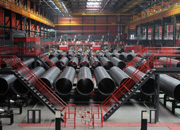 Threeway Steel is known as a professional supplier engaged in manufacturing and distributing a wide range of steel pipe, and our headquarter located the central part of China – Hunan and six associated factories throughout China.
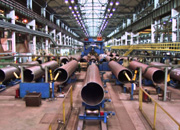 Threeway Steel is known as a professional supplier engaged in designing, manufacturing and distribution of a wide range of steel products with the headquarter located the central part of China – Hunan and six associated factories throughout China.
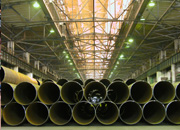 Threeway Steel is known as a professional supplier engaged in designing, manufacturing and distribution of a wide range of steel products with the headquarter located the central part of China – Hunan and six associated factories throughout China.
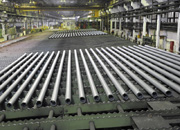 Threeway Steel is known as a professional supplier engaged in designing, manufacturing and distribution of a wide range of steel products with the headquarter located the central part of China – Hunan and six associated factories throughout China.
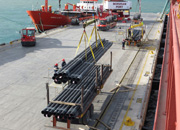 Threeway Steel is known as a professional supplier engaged in designing, manufacturing and distribution of a wide range of steel products with the headquarter located the central part of China – Hunan and six associated factories throughout China.