Oil refining and petrochemical industries rely on complex piping systems to transport crude oil, natural gas, refined products, steam, and chemicals under high pressure, elevated temperatures, or corrosive conditions. Selecting suitable steel pipes is therefore essential for maintaining operational safety and efficiency.
ASTM steel pipes are widely used because ASTM specifications establish clear requirements for material composition, mechanical properties, dimensions, manufacturing methods, and testing. These standards help engineers and buyers identify pipes suited to specific service conditions and ensure consistent quality across suppliers. However, ASTM compliance alone does not guarantee suitability; the selected grade must also meet project design requirements and applicable piping codes.
Common specifications serve distinct purposes: ASTM A106 seamless carbon steel pipes are typically selected for high-temperature service, ASTM A53 pipes for general-purpose pressure and mechanical applications, ASTM A312 stainless steel pipes for improved corrosion resistance, and ASTM A335 grades for high-temperature alloy steel piping.
What Are ASTM Steel Pipes?
ASTM steel pipes are steel pipes produced and inspected against standards issued by ASTM International. These standards define chemical composition, mechanical properties, fabrication rules, dimensions and test requirements, aligning manufacturers, engineers and buyers for diverse industrial applications. They are widely adopted in oil refining and petrochemical projects for high-temperature, high-pressure, low-temperature and corrosive service.
|
ASTM Spec
|
Material Type
|
Core Application
|
|
ASTM A106
|
Seamless carbon steel
|
High-temperature piping
|
|
ASTM A53
|
Welded & seamless carbon steel
|
General pressure & mechanical use
|
|
ASTM A312
|
Austenitic stainless steel
|
Corrosion-resistant process piping
|
|
ASTM A335
|
Seamless ferritic alloy steel
|
High-temperature alloy piping
|
|
ASTM A333
|
Seamless & welded steel
|
Low-temperature service
|
|
ASTM A671
|
Electric-fusion-welded carbon/alloy steel
|
Low & atmospheric pressure service
|
|
ASTM A672
|
Electric-fusion-welded carbon/alloy steel
|
Moderate temperature, medium-high pressure
|
Main Classifications of ASTM Steel Pipes
By Material
-
Carbon steel pipes: For general fluid, steam and refinery lines (A53, A106)
-
Alloy steel pipes: Cr-Mo and other alloys for improved high-temperature strength (A335)
-
Stainless steel pipes: Cr/Ni/Mo alloyed for corrosion resistance (A312)
By Manufacturing Process
-
Seamless pipe: Pierced from solid billets, preferred for critical high-pressure / high-temperature conditions
-
ERW pipe: Electric resistance welded from steel strip
-
LSAW pipe: Longitudinal submerged arc welded from steel plate
-
SSAW pipe: Spiral submerged arc welded from steel strip
Selection depends on size, grade, design pressure and project specs.
Value of ASTM Standards
ASTM specs unify product requirements and enable material traceability and quality verification.
Note: ASTM is a material specification, not a piping design code. Engineers shall follow design codes like ASME B31.3 plus project requirements.
Why Are ASTM Steel Pipes Used in Oil Refining and Petrochemical Process Piping?
ASTM steel pipes are the preferred piping solution for refinery and petrochemical plants. Process lines carry crude oil, hydrocarbons, steam and chemicals under high temperature, high pressure or corrosive environments. ASTM standards guarantee stable, predictable performance for safe continuous operation.
|
Core Benefit
|
Details & Typical ASTM Specs
|
|
High-temperature performance
|
A106 carbon steel; A335 alloy steel (P11/P22/P91) for severe heat service
|
|
Pressure bearing capacity
|
Seamless pipes for critical high-pressure service; qualified welded pipes for general process lines
|
|
Corrosion resistance
|
A312 stainless steel for corrosive media; carbon/alloy steel with corrosion allowance for mild service
|
|
Standardized quality
|
Unified chemical, mechanical, dimensional and test rules; easy cross-supplier comparison
|
|
Wide product range
|
Seamless, ERW, LSAW, SSAW; multiple sizes, schedules and grades
|
|
Optimized lifecycle cost
|
Proper grade selection cuts unexpected failure, maintenance and shutdown losses
|
Stable Performance at High Temperatures
Refinery processes like distillation and cracking run at elevated temperatures.
-
ASTM A106 seamless carbon steel for regular high-temperature lines
-
ASTM A335 Cr-Mo alloy grades (P11, P22, P91) for more demanding high-temperature service
Reliable Pressure Resistance
Process piping works under internal pressure.
Seamless pipes are widely specified for critical high-pressure services. Certified welded pipes (ERW / LSAW / SSAW) are acceptable for many systems. Final selection follows design pressure, size, grade and project codes.
Corrosion Resistance for Varied Process Media
Process fluids include wet hydrocarbon, acid and chloride media.
ASTM A312 stainless steel handles strong corrosion. Carbon and alloy steel are usable for mild corrosion scenarios with corrosion allowance or protective coatings. Material selection depends on fluid composition, temperature and concentration.
Consistent & Traceable Quality
ASTM specs define strict rules for chemistry, mechanical properties, dimensions and testing.
Standard tests include chemical analysis, tensile test, hydrostatic test or NDE, dimensional inspection. It simplifies supplier evaluation and quality acceptance.
Flexible Fabrication & Installation
Multiple production types are available: seamless, ERW, LSAW, SSAW, in various OD and wall thickness.
Engineers can match pipe type to layout, pressure rating and site installation requirements.
Better Long-Term Economy
Right grade selection avoids early pipe failure and unplanned downtime.
High-alloy stainless steel has higher upfront cost but delivers better value for corrosive or high-temperature conditions.
Main Applications of ASTM Steel Pipes in Oil Refining
Refineries rely on complex piping networks to carry crude oil, intermediates, finished fuels, steam, water and process gas between tanks, reactors, heat exchangers and pumps. ASTM carbon, alloy and stainless steel pipes are widely deployed, with grades selected based on temperature, pressure, fluid media and corrosion risk.
|
Refinery Unit / System
|
Typical ASTM Specs
|
Service Notes
|
|
Crude oil transfer lines
|
A53, A106
|
Connect tanks, pumps and pre-treatment units
|
|
Atmospheric & vacuum distillation
|
A106; alloy / stainless steel for harsh sections
|
High-temperature crude and fraction vapor lines
|
|
Hydrocracking & hydrotreating
|
A335 (Cr-Mo grades)
|
High pressure, high temperature, hydrogen service
|
|
Steam & utility piping
|
A106 for steam; A53 for general utilities
|
Heating, tracing, cooling water, compressed air
|
|
Refined product transfer (gasoline, diesel, kerosene)
|
A53 / A106 carbon steel; A312 stainless steel for corrosive cases
|
Transfer between units, storage and loading
|
|
Extreme high-temperature process lines
|
A335 P11, P22, P91
|
Resist high-temperature softening and oxidation
|
Crude Oil Transportation and Transfer
A53 and A106 carbon steel are standard for crude transfer lines from storage to processing units. Large pipelines follow separate specs depending on whether they are process piping or long-distance transmission lines.
Atmospheric and Vacuum Distillation Units
Distillation splits crude oil into different fractions. A106 handles most high-temperature lines for heated crude and intermediate vapors. Alloy or stainless steel is specified for sections with higher corrosion or temperature demand.
Hydrocracking and Hydrotreating Systems
These units run under high pressure and temperature with hydrogen-rich streams. A335 Cr-Mo alloy pipes are used for qualified high-temperature services. Hydrogen-induced damage must be evaluated during grade selection.
Steam and Utility Piping
A106 is widely used for steam and high-temperature utility circuits. A53 applies to general cooling water, condensate and compressed air lines. Wall thickness and inspection scope follow system design.
Refined Product Transfer
Carbon steel works for most gasoline, diesel and kerosene transfer. Stainless steel (A312) is adopted when fluid properties bring corrosion risks.
High-Temperature Process Lines
A335 grades including P11, P22 and P91 offer stable high-temperature strength and oxidation resistance for critical hot process piping.
Applications of ASTM Steel Pipes in Petrochemical Process Piping
Petrochemical plants deploy intricate piping networks to convey hydrocarbon feedstocks, process gases, chemical intermediates, finished products, steam and cooling water across reactors, heat exchangers, compressors and storage tanks. With frequent high temperature, pressure fluctuation and aggressive chemicals, properly specified ASTM steel pipes guarantee safe, stable production.
|
Petrochemical System
|
Recommended ASTM Specs
|
Key Notes
|
|
Ethylene & propylene steam cracking
|
A106 carbon steel; A335 alloy steel for hot sections
|
High-temperature cracking service
|
|
Chemical processing (solvents, organic acids)
|
A312 stainless steel (TP304/304L, TP316/316L)
|
For corrosive chemical media
|
|
Polymer production (PE, PP)
|
Carbon steel for hydrocarbons; A312 stainless steel for clean/corrosive service
|
Strict internal cleanliness for polymer grade
|
|
Gas processing & hydrocarbon separation
|
A106, A53; alloy / stainless steel for high-corrosion gas streams
|
Hydrogen, fuel gas and natural gas circuits
|
|
Heating, cooling & utility systems
|
A106 for steam; A53 for general utilities; A312 for corrosive cooling water
|
Steam, condensate, cooling water loops
|
|
Storage & product transfer
|
Carbon steel for hydrocarbons; A312 stainless steel for corrosive chemicals
|
Transfer between units, tanks and loading stations
|
Ethylene and Propylene Production
Steam cracking for ethylene and propylene runs at extreme temperatures. A106 carbon steel works for standard process and utility lines, while A335 alloy steel is specified for critical high-temperature sections. Grade selection depends on temperature, pressure and fluid composition.
Chemical Processing Systems
A312 austenitic stainless steel (TP304/304L, TP316/316L) is widely used for solvents, organic acids and corrosive intermediates. No universal stainless steel fits all chemicals; concentration, temperature and impurity levels must be evaluated.
Polymer Production Facilities
Carbon steel handles most hydrocarbon feed and utility piping. Stainless steel is chosen where internal cleanliness or corrosion resistance is required. Surface finish and joint design are critical for polymer quality.
Gas Processing and Hydrocarbon Separation
A106 is the main choice for high-temperature gas service. A53 applies to general gas lines. Alloy or stainless steel is adopted when gas composition brings corrosion or hydrogen damage risks.
Heating, Cooling, and Utility Systems
A106 is preferred for steam piping. A53 serves general utility circuits. A312 stainless steel is used for cooling water with corrosion risks.
Storage and Product Transfer Systems
Carbon steel is suitable for inert hydrocarbon products. Stainless steel is required for corrosive chemicals. Material selection follows fluid characteristics, pressure and temperature.
How to Select the Right ASTM Steel Pipe for Refinery and Petrochemical Service
Proper ASTM steel pipe selection is critical for safety, reliability and long service life of refinery and petrochemical piping. Engineers and buyers need to evaluate actual working conditions before confirming pipe specs and grades.
|
Selection Factor
|
Key Guidance
|
|
Temperature & pressure
|
A106 for high-temp carbon steel; A335 (P11/P22) for severe high-temp; A333 for low-temp service
|
|
Fluid & corrosion risk
|
Carbon steel for regular hydrocarbons; A312 stainless steel for chloride/acid media; assess H₂S, hydrogen damage separately
|
|
ASTM specification & grade
|
A106, A53, A312, A335, A333; confirm spec version and grade before order
|
|
Manufacturing type
|
Seamless for critical high-pressure service; qualified welded pipe (ERW/LSAW/SSAW) for approved general lines
|
|
Dimensions & wall thickness
|
OD, schedule, length; wall thickness calculated by pressure, temperature, allowable stress and corrosion allowance
|
|
Welding, inspection & traceability
|
Qualified WPS, NDT (RT/UT), MTC and heat number traceability
|
|
Supplier qualification
|
Verify production capacity, QC documents, packaging and export experience
|
Operating Temperature and Pressure
Temperature and pressure are primary selection criteria.
-
A106 seamless carbon steel: standard high-temperature lines
-
A335 alloy steel (P11, P22): more severe high-temperature service
-
A333: low-temperature piping
Wall thickness and grade must comply with design codes.
Fluid Composition and Corrosion Risk
Process fluids may contain hydrocarbons, H₂S, chlorides and acids.
Carbon steel works for hydrocarbon service with proper corrosion control.
A312 TP316L stainless steel is used for corrosive media.
Special evaluation is required for hydrogen and wet H₂S service, not only grade reference.
ASTM Specification and Grade Matching
|
ASTM Spec
|
Pipe Type
|
Typical Use
|
|
A106
|
Seamless carbon steel
|
High-temperature service
|
|
A53
|
Welded & seamless carbon steel
|
General pressure service
|
|
A312
|
Austenitic stainless steel
|
Corrosion-resistant process piping
|
|
A335
|
Seamless alloy steel
|
High-temperature alloy piping
|
|
A333
|
Seamless & welded steel
|
Low-temperature service
|
Confirm grade, fabrication rules and spec edition before purchase.
Manufacturing Method
Seamless pipes are preferred for demanding high-pressure applications.
Welded pipes are acceptable if fully qualified and inspected per project requirements.
Selection depends on pressure, size, wall thickness and service conditions.
Pipe Dimensions and Wall Thickness
OD, schedule, wall thickness and length must align with design.
Thickness calculation considers design pressure, temperature, allowable stress and corrosion allowance. Wrong dimensions reduce pressure capacity and cause fitting mismatch.
Welding, Inspection and Traceability
Petrochemical piping often requires preheat, PWHT and NDT such as RT or UT.
Complete MTC, test reports and heat number traceability are mandatory. List extra inspection requirements clearly in purchase specs.
Supplier and Delivery Capability
Reliable suppliers can deliver pipes meeting ASTM specs, with full inspection documents and proper export packaging. Check their duplex/alloy steel production and QC capability.
ASTM A106 vs. A53 vs. A312 vs. A335: Key Differences and Applications
ASTM A106, A53, A312 and A335 are four widely used pipe specifications for refinery and petrochemical piping. They differ in material, fabrication, mechanical performance and service limits. Clear distinction helps engineers and buyers pick the correct pipe for process conditions.
|
Spec
|
Material
|
Manufacturing
|
Core Features
|
Typical Applications
|
|
ASTM A106
|
Carbon steel
|
Seamless
|
Designed for high-temperature service
|
Steam lines, refinery hot process piping
|
|
ASTM A53
|
Carbon steel
|
Welded / seamless
|
General pressure & mechanical use
|
Water, utility, general industrial piping
|
|
ASTM A312
|
Austenitic stainless steel
|
Seamless, welded, cold-worked
|
Excellent corrosion resistance
|
Chemical and corrosive process piping
|
|
ASTM A335
|
Ferritic alloy steel
|
Seamless
|
Superior high-temperature strength & oxidation resistance
|
Heater coils, critical high-temperature process lines
|
ASTM A106
ASTM A106 covers seamless carbon steel pipe for high-temperature service. Grade B is the most common. It is widely used for refinery process lines, steam circuits and hot oil transfer, and fits demanding pressure scenarios. Final usage must comply with design codes and project limits.
ASTM A53
ASTM A53 includes black or galvanized carbon steel pipe, both welded and seamless (Grade A / B). It is for general pressure and structural applications. It works for water and utility lines, but it is not a dedicated high-temperature specification for critical refinery hot service.
ASTM A312
ASTM A312 specifies austenitic stainless steel pipe. Common grades: TP304, TP304L, TP316, TP316L. TP316/316L with molybdenum delivers better chloride pitting resistance. This specification is selected for corrosive chemical streams and process piping where corrosion control is prioritized.
ASTM A335
ASTM A335 is seamless Cr-Mo ferritic alloy steel pipe for high-temperature service. Popular grades: P11, P22, P5, P91. Alloy elements boost high-temperature strength and anti-oxidation performance. It is used for furnace tubes and high-heat process lines where carbon steel fails.
Selection Guide
-
A106: Seamless carbon steel for qualified high-temperature process and steam service
-
A53: General-purpose utility and mechanical piping
-
A312: Corrosive media requiring stainless steel
-
A335: Extreme high-temperature service needing alloy steel
Quality Inspection and Standards Compliance for ASTM Process Pipes
Quality inspection and standard compliance are critical for ASTM steel pipes used in refinery and petrochemical piping. Operating under high pressure, high temperature and corrosive media, defective pipes may lead to leakage or failure. Meeting ASTM specs is the baseline; projects also need to follow ASME codes and custom inspection rules.
|
Inspection Item
|
Test Content & Purpose
|
|
Chemical Composition Test
|
Check carbon, Mn, Cr, Ni, Mo; match ASTM grade requirements
|
|
Mechanical Property Test
|
Tensile, hardness, impact tests for strength, ductility and low-temp toughness
|
|
Hydrostatic Test & NDE
|
Hydro test for pressure tightness; UT, RT, MT, PT for internal / surface defects
|
|
Dimensional & Surface Check
|
OD, wall thickness, length, straightness; visual check for cracks, dents and scale
|
|
Welding & Heat Treatment Control
|
Verify WPS, welding consumables; confirm heat treatment for alloy / stainless steel
|
|
Documentation & Traceability
|
MTC, test reports, heat number marking; third-party inspection if required
|
Chemical Composition Testing
Chemical analysis confirms elements meet ASTM grade limits. Alloy content directly affects mechanical strength, high-temperature performance and corrosion resistance. Test results shall be reviewed against specification and purchase order.
Mechanical Property Testing
Common mechanical tests include tensile test, hardness test and impact test.
Tensile test checks yield strength, tensile strength and elongation. Impact testing is mainly specified for low-temperature service. Test scope varies by ASTM standard, grade and pipe size.
Hydrostatic Testing and Nondestructive Examination
Hydrostatic testing verifies leak tightness under specified pressure. Approved electric NDT can be an alternative under certain ASTM rules.
Additional NDE methods: UT, RT, MT and PT, used to detect weld defects, internal flaws and surface cracks. Inspection methods and acceptance criteria follow specs and project requirements.
Dimensional and Surface Inspection
Inspect outer diameter, wall thickness, length, straightness and tolerances. Visual inspection finds surface defects such as cracks, dents and heavy scale. This ensures smooth fabrication and installation.
Welding and Heat Treatment Control
For welded pipes, welding procedures and filler metals must be qualified. Alloy steel and stainless steel often require controlled heat treatment to retain target material properties. Inspection records are required for validation.
Material Certificates and Traceability
MTC, chemical and mechanical reports and inspection records are mandatory. Heat number marking enables full material traceability. Third-party witness inspection can be added per contract.
Compliance with ASTM and Project Requirements
ASTM covers product requirements, while ASME B31.3 governs process piping design, fabrication and testing. Both standards and project specs must be satisfied together.
Conclusion:
ASTM steel pipes are essential for transporting crude oil, hydrocarbons, steam, and chemicals across refining and petrochemical facilities. Selecting the correct specification is critical for safety under varying pressures, temperatures, and corrosive conditions.
Common specifications serve distinct roles: ASTM A106 seamless carbon steel is standard for high-temperature service, ASTM A53 for general pressure applications, ASTM A312 stainless steel for corrosion resistance, and ASTM A335 alloy steel for demanding high-temperature environments.
However, reliable procurement requires evaluating more than material grade. Engineers must verify operating conditions, dimensional tolerances, and manufacturing methods (seamless vs. welded) against project designs and codes like ASME B31.3.
FAQ:
Q1: What ASTM steel pipe grades are commonly used in oil refineries?
Common specifications include ASTM A106 for high-temperature carbon steel service, ASTM A53 for general applications, ASTM A312 for stainless steel piping, and ASTM A335 for high-temperature alloy steel service.
Q2: What is the difference between ASTM A106 and ASTM A53 steel pipes?
ASTM A106 covers seamless carbon steel pipes for high-temperature service, while ASTM A53 covers welded and seamless carbon steel pipes for general pressure and mechanical applications.
Q3: Which ASTM steel pipes are suitable for high-temperature petrochemical process piping?
ASTM A106 and ASTM A335 are commonly considered. ASTM A335 alloy steel grades are used where enhanced high-temperature properties are required.
Q4: Are ASTM A312 stainless steel pipes suitable for corrosive chemical processing systems?
Yes. ASTM A312 grades such as TP304L and TP316L are used in selected corrosive environments. The appropriate grade depends on the chemical composition, temperature, and corrosion conditions.
Q5: Should I choose seamless or welded ASTM steel pipes for refinery applications?
The choice depends on design pressure, pipe dimensions, service conditions, applicable standards, and project requirements. Both manufacturing types can be suitable when properly specified and qualified.
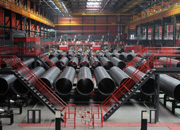 Threeway Steel is known as a professional supplier engaged in manufacturing and distributing a wide range of steel pipe, and our headquarter located the central part of China – Hunan and six associated factories throughout China.
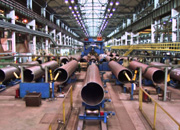 Threeway Steel is known as a professional supplier engaged in designing, manufacturing and distribution of a wide range of steel products with the headquarter located the central part of China – Hunan and six associated factories throughout China.
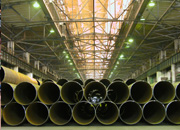 Threeway Steel is known as a professional supplier engaged in designing, manufacturing and distribution of a wide range of steel products with the headquarter located the central part of China – Hunan and six associated factories throughout China.
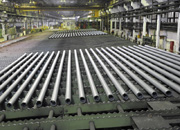 Threeway Steel is known as a professional supplier engaged in designing, manufacturing and distribution of a wide range of steel products with the headquarter located the central part of China – Hunan and six associated factories throughout China.
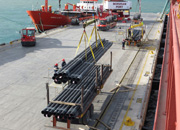 Threeway Steel is known as a professional supplier engaged in designing, manufacturing and distribution of a wide range of steel products with the headquarter located the central part of China – Hunan and six associated factories throughout China.