Cryogenic engineering, particularly in LNG storage and transportation at approximately -162°C, demands exceptional piping materials. Under such extreme low temperatures, ordinary carbon steel risks losing toughness and becoming susceptible to brittle fracture, making correct material selection critical for system safety and reliability.
ASTM standards define rigorous requirements for mechanical strength, impact toughness, and corrosion resistance. ASTM A333 Grade 6 is widely specified for low-temperature auxiliary piping and refrigeration systems due to its strict impact testing requirements. However, it is not automatically suitable for direct LNG contact at -162°C; such severe service often requires specially qualified stainless steels or nickel alloys.
In LNG facilities, material selection must strictly follow project design codes rather than relying on ASTM grades alone. Comprehensive quality control—including chemical analysis, Charpy impact testing, and nondestructive examination—is essential.
ASTM Steel Pipe Standards for Cryogenic Service
ASTM steel pipe standards specify chemical composition, mechanical properties, manufacturing, dimensions and testing rules. For cryogenic and LNG projects, pipes must keep stable strength and toughness at ultra-low temperatures. Engineers select grades based on minimum design temperature, pressure, medium and design codes.
|
ASTM Standard
|
Product Type
|
Key Features
|
Typical Uses
|
|
ASTM A333
|
Low-temperature steel pipe
|
Mandatory low-temp Charpy impact test
|
Low-temperature process piping
|
|
ASTM A334
|
Low-temperature steel tube
|
Carbon & alloy steel tubing
|
Cryogenic heat exchangers
|
|
ASTM A312
|
Austenitic stainless steel pipe
|
Good low-temp toughness + corrosion resistance
|
Cryogenic and LNG related piping
|
ASTM A333 Grade 6
ASTM A333 Grade 6 covers seamless and welded carbon steel pipes for low-temperature service. It passes required impact tests to resist brittle fracture.
It is widely used for cryogenic auxiliary piping and refrigeration systems.
Important note: It is NOT suitable for direct LNG service at -162°C, even though it is a low-temperature carbon steel.
ASTM A334 Low-Temperature Tubes
ASTM A334 applies to seamless and welded carbon/alloy steel tubes, mainly for heat exchanger components.
Do not mix up A334 tubing and A333 piping — they are different product forms for different scenarios.
ASTM A312 Stainless Steel Pipes
ASTM A312 includes seamless and welded austenitic stainless steel such as TP304, TP304L, TP316, TP316L.
Austenitic stainless steel maintains excellent toughness at low temperatures and provides corrosion resistance. It is adopted for selected cryogenic and LNG piping. Each grade needs separate verification for project conditions.
Testing & Certification for Cryogenic Service
Only checking the ASTM standard number is insufficient. Key inspection items:
-
Chemical composition and tensile test
-
Charpy V-notch impact test at design low temperature
-
Hydrostatic test or approved NDT
-
Dimensional and surface inspection
-
MTCs and full batch traceability
For LNG at -162°C, special stainless steel or nickel alloys may be required.
Key Material Requirements for Cryogenic Steel Pipes
Cryogenic steel pipes work under ultra-low temperatures, such as LNG systems at -162°C. Standard carbon steel easily loses toughness and suffers brittle fracture at these temperatures. Strict material criteria are mandatory to guarantee safe, stable long-term operation.
|
Core Requirement
|
Description
|
Key Verification Item
|
|
Low-temperature toughness
|
Keep ductility and avoid brittle cracking at minimum design temperature
|
Charpy impact test at service temperature
|
|
Controlled chemical composition
|
Alloy elements tune toughness, strength and weldability
|
MTC chemical analysis
|
|
Stable mechanical properties
|
Meet yield, tensile and elongation targets
|
Tensile test report
|
|
Good weldability
|
Base metal and weld zone retain cryogenic performance
|
Qualified WPS & weld NDT
|
|
Fluid compatibility
|
Resist corrosion and match process media
|
Medium compatibility assessment
|
|
Thermal stability
|
Manage thermal contraction stress
|
Thermal expansion coefficient calculation
|
3.1 Low-Temperature Toughness
Toughness is the top priority for cryogenic service. Materials must resist brittle fracture at design low temperature.
-
Austenitic stainless steel and nickel alloys: Excellent toughness for ultra-low temperature like LNG
-
ASTM A333 Gr.6 low-temp carbon steel: Better than ordinary carbon steel, not suitable for direct -162°C LNG service
Charpy V-Notch Impact Test
Charpy V-notch test measures energy absorption capacity against brittle failure.
Check test temperature, minimum absorbed energy, specimen size and acceptance rules per ASTM and project specs. Impact test is one part of full engineering evaluation, not the only criterion.
Chemical Composition & Mechanical Properties
Alloying elements including C, Mn, Cr, Ni and Mo dominate steel performance.
Required mechanical indicators: yield strength, tensile strength, elongation, hardness and impact energy. Nickel-bearing alloys and austenitic stainless steel are widely used for extreme cryogenic conditions.
Weldability & Fabrication
Weld defects cause leakage and system failure.
Need qualified welding procedure, proper filler metal, controlled heat input and full NDT inspection. Stainless steel fabrication needs strict contamination control.
Corrosion Resistance & Fluid Compatibility
Cryogenic pipes carry LNG, liquid nitrogen, liquid oxygen and other cold media.
Stainless steel offers reliable corrosion resistance. Oxygen service needs special cleanliness control to lower ignition hazards. Carbon steel needs external protection based on service environment.
Thermal Contraction & Dimensional Stability
Steel shrinks sharply under cryogenic conditions, bringing extra stress on joints, supports and valves.
Designers calculate thermal expansion coefficients and optimize pipe layout, supports and flexibility to avoid overstress.
Main Applications of ASTM Steel Pipes in LNG Facilities
LNG plants consist of complex piping networks for gas treatment, liquefaction, storage, transfer and regasification. Operating temperatures and pressures vary widely across units. ASTM steel pipes are widely adopted thanks to standardized chemical, mechanical and inspection requirements. Not all ASTM grades fit direct LNG service; material selection depends on minimum design temperature, pressure, medium and design codes.
|
LNG System Section
|
Typical ASTM Pipe Spec
|
Service Notes
|
|
Gas pretreatment & liquefaction
|
A106, A333 Gr.6, A312
|
A106 for ambient/high temp; A333 Gr.6 for mild low temp; A312 stainless for cryogenic LNG contact
|
|
LNG tank & associated piping
|
A312 stainless steel
|
Direct LNG contact, requires verified cryogenic toughness
|
|
LNG transfer & loading
|
A312 stainless steel
|
Handle thermal shrinkage, vibration and fluctuating temperature
|
|
Refrigeration & heat exchange
|
A334, A312
|
A334 tubing for heat exchangers; A312 for corrosion and low-temp needs
|
|
Regasification terminal
|
A312 / carbon steel
|
Cold zone: cryogenic stainless; downstream warm section: carbon steel allowed
|
|
Utility & auxiliary piping
|
A106, A53, A312
|
Steam, cooling water, compressed air, fire protection
|
LNG Processing and Liquefaction Systems
Impurities including water, CO₂ and H₂S are removed before liquefaction.
-
ASTM A106: Ambient or high-temperature process lines
-
ASTM A333 Grade 6: Mild low-temperature auxiliary piping
-
Austenitic stainless steel / nickel alloys: Core cryogenic liquefaction sections contacting LNG
LNG Storage Tank Piping
This category covers tank inlet/outlet, pump lines, instrument piping and loading connections.
Pipes touching LNG use qualified cryogenic stainless steel. Carbon steel is only permitted when temperature limits are satisfied.
LNG Transfer and Loading Systems
These pipes link tanks, loading arms and LNG carriers. Design must account for thermal contraction, cyclic temperature change, vibration and thread reliability. ASTM A312 stainless steel is preferred for cryogenic transfer lines.
Gas Treatment and Refrigeration Systems
Refrigerant circulation and heat exchange loops rely on ASTM low-temperature products.
ASTM A334 tubes are widely used in heat exchangers; ASTM A312 stainless steel is selected for corrosion resistance and cryogenic toughness.
LNG Regasification Terminals
LNG vaporizes before entering natural gas transmission pipelines.
Cold upstream sections need cryogenic materials. After vaporization, conventional carbon steel can be used for warmer downstream lines to control cost.
Utility and Auxiliary Piping
Non-process lines for steam, cooling water and fire protection run at normal or elevated temperatures. ASTM A106, A53 and A312 are selected based on pressure and corrosion conditions.
Applications of ASTM Steel Pipes in Other Cryogenic Engineering Projects
Beyond LNG facilities, ASTM steel pipes serve a wide range of cryogenic projects for storage, transport and processing of ultra-cold fluids. These include industrial gas plants, cryogenic labs, low-temperature chemical processes and superconducting systems. Material selection depends on temperature, pressure, fluid compatibility and corrosion resistance. ASTM standards offer clear technical guidelines, while final designs must follow relevant piping codes.
|
Cryogenic Project Type
|
Recommended ASTM Spec
|
Core Notes
|
|
Industrial gas storage & transfer
|
ASTM A312 stainless steel
|
LN₂ (-196°C), LOX, LAr; LOX needs strict cleanliness
|
|
Cryogenic labs & research setups
|
ASTM A312 stainless steel
|
Resist thermal cycling; control shrinkage and leakage
|
|
Low-temperature chemical plants
|
A312 / A333 Grade 6
|
A312 for corrosive media; A333 for mild low-temp non-corrosive service
|
|
Cryogenic heat exchangers & refrigeration
|
ASTM A334 / A312
|
A334 tubing for heat exchange cores; A312 for corrosion resistance
|
|
Superconducting & advanced energy systems
|
ASTM A312 stainless steel
|
Stable cooling loops, insulation and thermal stress management
|
Industrial Gas Production and Storage
Liquid nitrogen, liquid oxygen and liquid argon are widely used in electronics, medical and manufacturing sectors.
ASTM A312 austenitic stainless steel is the primary choice for these cryogenic lines.
-
LN₂: ~ -196°C
-
LOX: Extra cleanliness rules to avoid ignition hazards
-
LAr: ~ -186°C
Material performance must be validated against the minimum design temperature.
Cryogenic Laboratories and Research Equipment
Cryogenic labs run experiments, superconducting tests and material research under repeated cooling-heating cycles.
ASTM stainless steel piping is used for cooling circuits and vacuum-jacketed pipe assemblies. Design priorities include thermal contraction control, reliable welds and leak prevention.
Low-Temperature Chemical Processing
Low-temperature chemical units separate, liquefy and purify process gases.
ASTM A312 stainless steel handles corrosive cold fluids. A333 Grade 6 carbon steel can be adopted for mild low-temperature, non-corrosive services after verification.
Cryogenic Heat Exchangers and Refrigeration Systems
Heat exchangers are core parts of refrigeration and gas liquefaction.
ASTM A334 low-temperature tubing is commonly used for heat exchange bundles. ASTM A312 pipes are selected when corrosion resistance and cryogenic toughness are required. Tube size, wall thickness and joining methods are critical.
Superconducting and Advanced Energy Systems
Superconducting devices demand stable ultra-low temperature cooling.
Austenitic stainless steel piping connects refrigerators and superconducting components. High-quality joints, thermal insulation and thermal stress control are required for stable operation.
Key Selection Checklist
-
Minimum design metal temperature
-
Design and operating pressure
-
Fluid chemical properties
-
Charpy impact toughness
-
Corrosion resistance and material compatibility
-
WPS qualification and NDT requirements
-
Thermal contraction and pipe support layout
How to Select the Right ASTM Steel Pipes for LNG and Cryogenic Applications
Proper ASTM pipe selection guarantees safety, reliability and operational efficiency for LNG and cryogenic projects. Ultra-low temperatures degrade steel toughness and raise brittle fracture risks. Engineers and procurement teams need to assess multiple technical factors before finalizing pipe grades.
|
ASTM Standard
|
Material Type
|
Typical Service
|
|
ASTM A333 Grade 6
|
Low-temperature carbon steel pipe
|
Mild low-temperature process piping
|
|
ASTM A334
|
Low-temp carbon & alloy steel tube
|
Heat exchangers, cryogenic equipment
|
|
ASTM A312
|
Austenitic stainless steel pipe
|
Cryogenic & corrosive process piping
|
|
ASTM A106
|
Seamless carbon steel pipe
|
High-temperature / ambient process lines
|
Confirm Minimum Design Metal Temperature (MDMT)
MDMT is the top selection factor.
-
LNG: approx -162°C
-
Liquid nitrogen: approx -196°C
-
Liquid oxygen: approx -183°C
-
Liquid argon: approx -186°C
ASTM A333 Gr.6 works for mild low-temperature service but is not qualified for direct LNG contact. Austenitic stainless steel or nickel alloys are required for these ultra-low conditions.
Pick the Correct ASTM Grade
These specs are not interchangeable. A106 is not a cryogenic standard and can only be used where temperature and code allow.
Validate Low-Temperature Toughness
Brittle fracture is the main hazard at cryogenic temperatures. Review Charpy V-notch impact data: test temperature, minimum absorbed energy, specimen size and acceptance criteria. Do not select material only by tensile strength.
Calculate Pressure Load and Mechanical Strength
Pipes bear internal pressure, thermal stress and vibration. Key specs: NPS, OD, wall thickness/schedule, yield and tensile strength. Wall thickness must be calculated per piping design codes.
Check Fluid Compatibility and Corrosion Resistance
TP304L, TP316L (ASTM A312) are widely used cryogenic stainless grades. Liquid oxygen service demands strict cleanliness and contamination control.
Assess Welding and Fabrication Rules
Weld defects easily cause leakage. Verify qualified WPS, matching filler metal, heat input control and NDT scope. Thermal contraction must be considered for supports and joints.
Review Inspection and MTC Documentation
Required documents: chemical analysis, tensile test, Charpy impact report, hydrostatic or NDT records, dimensional check and full traceability MTCs.
Quality Inspection, Testing, and Installation Requirements
Ensuring the safety of ASTM steel pipes in LNG and cryogenic projects requires rigorous quality control and precise installation. Due to extreme low temperatures and high pressures, manufacturers and contractors must verify material integrity through chemical analysis and mechanical testing, including tensile and hardness evaluations. Charpy V-notch impact testing is particularly critical to ensure toughness and prevent brittle fracture at specified low temperatures.
Nondestructive examination (UT, RT, MT, PT) and hydrostatic testing are essential for identifying internal and surface defects. Dimensional accuracy must also be maintained to ensure compatibility with fittings and valves.
Conclusion:
Selecting reliable ASTM steel pipes is critical for the safety and long-term performance of LNG facilities and cryogenic engineering projects. Due to extreme operating conditions, materials like low-temperature carbon steel (ASTM A333 Gr.6), alloy tubes (ASTM A334), and austenitic stainless steel (ASTM A312) are not interchangeable. For instance, direct LNG contact at -162°C requires specially qualified materials rather than standard low-temperature carbon steel.
FAQ:
1. Which ASTM steel pipe grade is commonly used for LNG applications?
ASTM A333 Grade 6 is commonly used for certain low-temperature piping services. However, direct LNG-contact piping at approximately -162°C generally requires materials specifically qualified for that temperature.
2. Why is ASTM A333 Grade 6 suitable for low-temperature piping?
It has specified low-temperature mechanical and impact toughness requirements, helping reduce the risk of brittle fracture in suitable applications.
3. Can ASTM A106 carbon steel pipes be used in cryogenic service?
ASTM A106 is primarily intended for high-temperature service. It should not be selected for cryogenic applications unless the material and design are specifically qualified for the required conditions.
4. What temperature can ASTM A333 Grade 6 steel pipes withstand?
ASTM A333 Grade 6 has specified impact testing requirements at low temperatures, commonly including -45°C. Its suitability for a particular project must be verified against the design temperature and applicable code.
5. Why is Charpy impact testing important for cryogenic steel pipes?
It evaluates a material's ability to absorb impact energy at a specified low temperature, helping assess its resistance to brittle fracture.
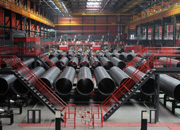 Threeway Steel is known as a professional supplier engaged in manufacturing and distributing a wide range of steel pipe, and our headquarter located the central part of China – Hunan and six associated factories throughout China.
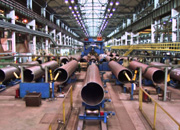 Threeway Steel is known as a professional supplier engaged in designing, manufacturing and distribution of a wide range of steel products with the headquarter located the central part of China – Hunan and six associated factories throughout China.
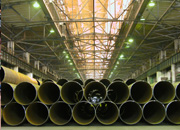 Threeway Steel is known as a professional supplier engaged in designing, manufacturing and distribution of a wide range of steel products with the headquarter located the central part of China – Hunan and six associated factories throughout China.
 Threeway Steel is known as a professional supplier engaged in designing, manufacturing and distribution of a wide range of steel products with the headquarter located the central part of China – Hunan and six associated factories throughout China.
 Threeway Steel is known as a professional supplier engaged in designing, manufacturing and distribution of a wide range of steel products with the headquarter located the central part of China – Hunan and six associated factories throughout China.