Hot-rolled seamless steel pipes are essential for power generation, serving boilers, steam lines, feedwater systems, and heat exchangers. Manufactured without longitudinal welds, they provide reliable pressure-bearing performance under high temperature and mechanical stress. The hot-rolling process enables efficient production of medium- and large-diameter pipes with thick walls, offering wider dimensional flexibility than cold-drawn alternatives. Common applications include water walls, superheaters, reheaters, economizers, and main steam pipelines. Material selection is critical: carbon steel suits moderate conditions, while alloy steel is required for higher-temperature strength and creep resistance. Key specifications include ASTM A106 for high-temperature service, ASTM A335 for ferritic alloy-steel pipe, and ASTM A192/A210/A213 for boiler and heat-exchanger tubes. Proper grade and dimension selection ensures safe operation, efficient heat transfer, and long-term equipment reliability in demanding power plant environments.
What Are Hot-Rolled Seamless Steel Pipes?
Hot-rolled seamless steel pipes are tubular steel products manufactured by heating solid steel billets and forming them into hollow sections without a longitudinal weld seam. Widely used in oil and gas transportation, boilers, power plants, petrochemical facilities, and other industrial applications requiring reliable pressure-bearing components.
Unlike welded pipes—seamless pipes are produced through a piercing and rolling process, creating a continuous pipe body without a welded joint. Hot rolling is particularly suitable for medium to large outside diameters and relatively thick walls.
Manufacturing Process
Exact production route may vary according to pipe dimensions, steel grade, manufacturing equipment, and technical requirements.
Hot-Rolled vs. Cold-Drawn Seamless Steel Pipes
Choice depends on: required dimensions, tolerances, surface quality, mechanical properties, and intended service conditions.
Main Material Grades and Standards
Available in carbon steel and alloy steel grades—appropriate material depends on operating temperature, pressure, and environment.
Important distinction: ASTM A106 and ASTM A335 cover pipe products; ASTM A192, A210, and A213 cover boiler or heat-exchanger tubes—these specifications serve different product categories and should not be treated as interchangeable.
Key Performance Characteristics
Main Applications of Hot-Rolled Seamless Steel Pipes in Boilers
Boilers are essential equipment in thermal power plants, industrial facilities, and heating systems—converting water into steam by transferring heat. Boiler components are exposed to high temperatures, internal pressure, thermal cycling, and sometimes corrosive or erosive conditions—selecting suitable steel pipes and tubes is critical for safety, efficiency, and service life.
Hot-rolled seamless steel products are widely used in boiler systems—available in various material grades, diameters, and wall thicknesses. Suitability depends on the specific boiler component, operating conditions, and applicable standards.
Application Overview
|
Component
|
Function
|
Key Considerations
|
Typical Standards
|
|
Water wall tubes
|
Absorb radiant heat from combustion; transfer to water inside
|
High heat flux, internal pressure, temperature changes, water chemistry
|
ASTM A210, ASTM A213
|
|
Superheater & reheater tubes
|
Increase steam temperature; reheater raises temperature after initial turbine expansion
|
High-temperature strength, steam oxidation resistance
|
ASTM A213
|
|
Economizer tubes
|
Recover heat from flue gas to preheat feedwater
|
Pressure, flue-gas corrosion, erosion, temperature fluctuations
|
ASTM A210 (where applicable)
|
|
Steam & feedwater piping
|
Transport water and steam between boilers, headers, turbines, other equipment
|
Internal pressure, thermal expansion, vibration, mechanical loads
|
ASTM A106 (carbon steel), ASTM A335 (alloy steel)
|
1. Water Wall Tubes
Installed along inner walls of boiler furnace—absorb radiant heat from combustion and transfer it to water flowing inside.
Must withstand: high heat flux, internal pressure, and repeated temperature changes.
Material selection should consider: operating pressure, temperature, water chemistry, and boiler manufacturer's design requirements.
Seamless boiler tubes manufactured to applicable specifications—such as ASTM A210 or ASTM A213—may be selected according to required carbon or alloy steel grade and service conditions.
2. Superheater and Reheater Tubes
Operate at elevated temperatures—require materials with suitable high-temperature strength and resistance to steam oxidation. Alloy steel tubes are often considered for demanding service conditions.
ASTM A213 covers seamless ferritic and austenitic alloy-steel boiler, superheater, and heat-exchanger tubes. Select appropriate grade according to design temperature, pressure, and applicable engineering requirements.
3. Economizer Tubes
Recover heat from boiler flue gas to preheat feedwater before it enters the boiler—improves thermal efficiency and reduces fuel consumption.
Operate under pressure—may be exposed to flue-gas corrosion, erosion, and temperature fluctuations.
Material selection depends on: feedwater conditions, flue-gas composition, operating temperature, and corrosion risk.
Carbon steel boiler tubes—including products manufactured to ASTM A210 where applicable—are commonly considered for suitable economizer service. More demanding environments may require different material solutions.
4. Steam and Feedwater Piping
Used in steam and feedwater systems—transport water and steam between boilers, headers, turbines, and other power plant equipment.
These piping systems must be designed to handle: internal pressure, thermal expansion, vibration, and mechanical loads. Pipe supports, fittings, valves, and connections must be compatible with selected piping materials.
5. Key Considerations for Boiler Pipe Selection
Applications of Hot-Rolled Seamless Steel Pipes in Power Plants
Power plants rely on extensive piping systems to transport steam, water, and other fluids between boilers, turbines, condensers, heat exchangers, and auxiliary equipment. These systems must operate reliably under different pressure and temperature conditions. Hot-rolled seamless steel pipes are widely used—available in various steel grades, diameters, and wall thicknesses.
Applications extend beyond boiler components to main steam pipelines, feedwater systems, condensate lines, heat exchangers, and auxiliary piping.
Application Overview
|
Application
|
Typical Use
|
Key Considerations
|
Typical Standards
|
|
Main steam & reheat steam pipelines
|
Transport high-temperature, high-pressure steam from boiler to turbine; return partially expanded steam to reheater
|
Internal pressure, elevated temperatures, thermal expansion, vibration, startup/shutdown cycles
|
ASTM A106 (carbon steel), ASTM A335 (alloy steel)
|
|
Boiler feedwater & condensate systems
|
Deliver treated water to boiler; collect and return condensate
|
Operating pressure, water chemistry, temperature, corrosion risk, connection requirements
|
—
|
|
Heat exchangers & auxiliary piping
|
Transfer energy between fluid streams; cooling water, compressed air, fuel, service-water networks
|
Fluid, pressure, temperature, corrosion conditions
|
ASTM A213 (heat-exchanger tubes)
|
|
Industrial & waste-heat power plants
|
Steam transportation, feedwater supply, heat recovery, supporting process systems
|
Temperature fluctuations, pressure variations, potential corrosion/erosion
|
Carbon steel or alloy steel depending on conditions
|
1. Main Steam and Reheat Steam Pipelines
Critical to power plant operation—must withstand internal pressure, elevated temperatures, thermal expansion, vibration, and repeated startup/shutdown cycles.
Material options:
Material selection must follow: plant's design temperature, pressure, and applicable piping code.
2. Boiler Feedwater and Condensate Systems
Both contribute to efficiency and reliability of steam-water cycle.
Hot-rolled seamless steel pipes can be used in suitable sections—available in different sizes and pressure ratings. Selection should consider: operating pressure, water chemistry, temperature, corrosion risk, and connection requirements.
Proper material selection and water treatment help reduce internal corrosion, deposits, and premature pipe deterioration.
3. Heat Exchangers and Auxiliary Piping
Heat exchangers transfer energy between different fluid streams—seamless tubes and pipes may be used in heat recovery equipment, cooling systems, and other thermal processes.
ASTM A213 covers seamless ferritic and austenitic alloy-steel boiler, superheater, and heat-exchanger tubes. Important: distinguish these tube products from general piping materials such as ASTM A106 and ASTM A335.
Seamless steel pipes are also used in auxiliary systems:
-
Cooling water
-
Compressed air
-
Fuel
-
Service-water networks
Required material and specification vary according to: fluid, pressure, temperature, and corrosion conditions.
4. Industrial and Waste-Heat Power Plants
Generate electricity by using energy from industrial processes, exhaust gases, or other heat sources. Piping systems may operate under changing temperatures and loads.
Hot-rolled seamless steel pipes can be used in: steam transportation, feedwater supply, heat recovery, and supporting process systems.
Material options:
Evaluate: actual operating cycle—including temperature fluctuations, pressure variations, and potential corrosion or erosion.
5. Key Requirements for Power Plant Applications
How to Choose the Right Hot-Rolled Seamless Steel Pipes for Boilers and Power Plants
Selecting the right hot-rolled seamless steel pipes is essential for safe and efficient operation of boilers and power plants. These systems operate under different pressure and temperature conditions—piping components may be exposed to corrosion, oxidation, thermal cycling, and mechanical stress.
Choosing an unsuitable material or incorrect specification can lead to premature failure, unplanned maintenance, and increased operating costs.
Selection Checklist at a Glance
1. Identify the Application and Operating Conditions
Determine where the pipe will be used—boiler water walls, superheaters, reheaters, economizers, main steam pipelines, and feedwater systems have different technical requirements.
2. Select the Appropriate Material Grade
Important: ASTM A106 and A335 cover pipes; A192, A210, and A213 cover boiler or heat-exchanger tubes—confirm the selected specification matches the product category.
3. Confirm Pipe Dimensions and Tolerances
Outside diameter and wall thickness must comply with engineering drawings and applicable standards. Wall thickness is particularly important—affects pressure-bearing capacity and ability to withstand operating loads.
Incorrect dimensions can create installation difficulties and affect performance of connected equipment.
4. Evaluate Quality Inspection and Testing
Quality verification is essential for boiler and power plant piping.
Mill test certificates and inspection records should correspond to actual supplied products. Additional third-party inspection may be required for critical projects.
5. Consider Supplier Capability and Delivery Requirements
A reliable supplier should understand the required standards, material grades, dimensions, and inspection procedures.
Before purchasing, provide complete technical specifications and confirm:
Also verify that the supplier can provide required quality documents and maintain product traceability throughout the order.
Hot-Rolled Seamless Steel Pipes vs. Other Pipe Types
When selecting steel pipes for boilers and power plants, buyers often compare hot-rolled seamless pipes with cold-drawn seamless pipes, welded steel pipes, and different steel materials. Each type has its own manufacturing process, performance characteristics, and suitable applications.
Hot-rolled seamless pipes are widely used because they can be manufactured in a broad range of diameters and wall thicknesses—but they are not automatically the best choice for every application.
1. Hot-Rolled vs. Cold-Drawn Seamless Steel Pipes
Both are manufactured without a longitudinal weld seam—but their processing methods differ.
For many large-diameter or heavy-wall piping applications: hot-rolled seamless pipes are a practical option.
When tighter dimensional tolerances and better surface finish are important: cold-drawn products are more suitable.
2. Seamless vs. Welded Steel Pipes
Main difference: manufacturing method.
Seamless pipes are commonly selected for demanding pressure and temperature applications when the applicable specification requires or permits them.
Welded pipes can also provide reliable performance when manufactured, inspected, and qualified to the correct standard.
A seamless construction does not guarantee better performance in every situation. Product quality and compliance with the required specification remain essential.
3. Carbon Steel vs. Alloy Steel Pipes
Correct choice depends on: design temperature, pressure, material strength requirements, and applicable engineering codes.
4. How to Choose the Most Suitable Pipe Type
Compare products based on actual operating conditions—not general assumptions.
Before purchasing, confirm: material grade, dimensions, manufacturing method, testing requirements, and documentation—these details help ensure compatibility with the system and reduce the risk of installation or operating problems.
Common Challenges in Boiler and Power Plant Pipeline Applications
Boiler and power plant pipeline systems operate under demanding conditions—transporting high-temperature steam, pressurized water, and other fluids through equipment that may experience continuous operation, frequent load changes, and repeated startup/shutdown cycles.
Although hot-rolled seamless steel pipes are widely used—they can still be affected by material degradation, corrosion, mechanical stress, and operating problems.
Key Challenges at a Glance
1. High-Temperature Creep and Material Degradation
Creep is the gradual deformation of steel under sustained stress at elevated temperatures—can cause pipes to expand, lose wall thickness, or develop cracks over long periods.
Particularly exposed: main steam pipelines, superheater tubes, reheater tubes.
To control creep-related risks:
-
Select materials according to design temperature and pressure
-
Suitable alloy steel grades may be required for demanding applications
-
Regular inspection, wall-thickness measurement, and monitoring of operating conditions help identify early signs of degradation
2. Steam Oxidation and High-Temperature Corrosion
High-temperature steam can react with internal surfaces of steel pipes—forming oxide layers. Under certain conditions, these layers may become unstable or detach—reducing effective wall thickness and potentially causing blockages or damage to downstream equipment.
External surfaces may also experience oxidation and corrosion due to combustion gases, moisture, and other environmental factors.
Material selection should consider: steam temperature, flue-gas composition, and operating environment. Appropriate water chemistry control, regular inspection, and maintenance help reduce corrosion-related problems.
3. Erosion and Wall-Thinning
Erosion occurs when moving fluids, suspended particles, or high-velocity steam gradually wear away pipe surfaces. More severe in areas with: flow disturbances, bends, fittings, control valves, or changes in pipe diameter.
Consider during design: fluid velocity, pipeline layout, material properties, flow conditions. Regular ultrasonic thickness measurements help identify areas where wall loss is developing.
4. Thermal Fatigue and Pressure Fluctuations
Power plants frequently adjust output to meet electricity demand—during startup, shutdown, and load changes, pipeline components experience temperature and pressure variations.
Repeated thermal expansion and contraction can create cyclic stresses—over time, these stresses may lead to fatigue cracks—especially near welds, supports, branches, and other stress concentration areas.
Important for reducing risks: proper pipe support design, thermal expansion allowances, and controlled operating procedures. Inspection should focus on areas exposed to repeated movement and changing loads.
5. Installation and Maintenance Challenges
Even high-quality seamless steel pipes can experience problems if incorrectly installed or maintained.
Also:
-
Check material markings and surface condition before installation
-
Verify supports and expansion arrangements meet design requirements
-
Maintain inspection records and material traceability
6. Importance of Proper Material Selection and Quality Control
Many pipeline problems can be reduced through correct material selection and effective quality control.
Confirm each pipe meets: applicable standard, material grade, dimensions, and testing requirements.
Inspection may include: chemical analysis, mechanical testing, dimensional checks, hydrostatic testing, and NDE—depending on product specification and project requirements. Review mill test certificates to confirm material traceability.
Our Recommended Hot-Rolled Seamless Steel Pipe Products and Global Shipping Services
Supplies hot-rolled seamless steel pipes and tubes for boiler and power plant applications. Products include ASTM A106 carbon steel pipes, ASTM A335 alloy steel pipes, ASTM A192 and A210 boiler tubes, and ASTM A213 alloy steel tubes for boilers, superheaters, and heat exchangers. Buyers should confirm steel grade, standard, outside diameter, wall thickness, length, tolerances, end preparation, quantity, and delivery schedule before ordering. Quality verification may include chemical analysis, mechanical testing, dimensional inspection, hydrostatic testing, nondestructive examination, and mill test certificates. For international orders, pipes and tubes are packed and loaded to reduce damage, deformation, and moisture exposure during transportation. Shipping terms, export documentation, destination port, and delivery timing are confirmed according to project requirements. To request a quotation, provide applicable standards, dimensions, inspection needs, and delivery destination.
Conclusion:
Hot-rolled seamless steel pipes are essential for boilers and power plants, serving water walls, superheaters, reheaters, economizers, steam pipelines, feedwater systems, and heat exchangers. Their weld-free structure supports pressure-bearing service, but suitability depends on correct material grade, applicable standards, dimensions, and verified quality. Buyers should confirm whether products are intended for piping or boiler/heat-exchanger tubes, and select carbon steel or alloy steel according to temperature, pressure, and environment. Key specifications include ASTM A106, A335, A192, A210, and A213. Quality control should cover chemical composition, mechanical properties, dimensional inspection, hydrostatic or nondestructive testing, and mill test certificates. During operation, regular inspection helps detect creep, corrosion, erosion, and wall-thickness loss.
FAQ:
Q1: Why are seamless steel pipes used in boilers?
- Seamless pipes have no longitudinal weld seam and are available in grades designed for boiler and pressure service. Their suitability depends on the applicable specification and operating conditions.
Q2: Which steel grades are commonly used for boiler seamless pipes?
- Common examples include ASTM A192, ASTM A210, and ASTM A213 grades, depending on the boiler component, temperature, and pressure requirements.
Q3: Are hot-rolled seamless steel pipes suitable for high-temperature steam pipelines?
- Yes, when the selected material grade, dimensions, and manufacturing quality meet the design requirements for the specified temperature and pressure.
Q4: What is the difference between ASTM A106 and ASTM A335 pipes?
- ASTM A106 covers seamless carbon steel pipe for high-temperature service, while ASTM A335 covers seamless ferritic alloy-steel pipe for high-temperature service.
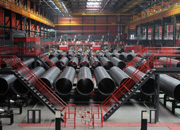 Threeway Steel is known as a professional supplier engaged in manufacturing and distributing a wide range of steel pipe, and our headquarter located the central part of China – Hunan and six associated factories throughout China.
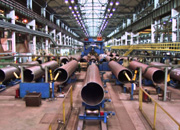 Threeway Steel is known as a professional supplier engaged in designing, manufacturing and distribution of a wide range of steel products with the headquarter located the central part of China – Hunan and six associated factories throughout China.
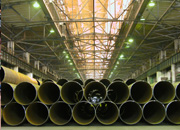 Threeway Steel is known as a professional supplier engaged in designing, manufacturing and distribution of a wide range of steel products with the headquarter located the central part of China – Hunan and six associated factories throughout China.
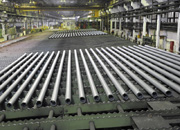 Threeway Steel is known as a professional supplier engaged in designing, manufacturing and distribution of a wide range of steel products with the headquarter located the central part of China – Hunan and six associated factories throughout China.
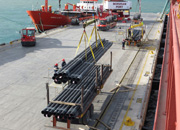 Threeway Steel is known as a professional supplier engaged in designing, manufacturing and distribution of a wide range of steel products with the headquarter located the central part of China – Hunan and six associated factories throughout China.