Oil Country Tubular Goods (OCTG) are essential steel tubular products for oil and gas drilling, well construction, and production. OCTG mainly includes oil casing, oil tubing, and drill pipe, each serving different functions. Oil casing supports the wellbore, prevents collapse, and isolates geological layers. Oil tubing provides a flow path for oil, gas, or injected fluids inside the completed well. Drill pipe transmits torque and drilling fluid as part of the drill string. Selection depends on well depth, formation pressure, mechanical loads, corrosion resistance, and applicable API standards such as API 5CT and API Spec 5DP.
What Is Oil Casing? Structure, Functions, and Applications
Oil casing is a steel pipe installed in an oil or gas well to support the wellbore, isolate geological formations, and maintain well integrity. It is a key component of Oil Country Tubular Goods (OCTG) and is typically installed in stages as drilling progresses. Each casing string is designed for specific geological, pressure, and operational requirements.
Unlike tubing, which transports produced fluids, casing primarily provides structural support and protection.
Main Functions at a Glance
Casing design must account for burst pressure, collapse pressure, axial loads, temperature, and corrosion. Cementing quality and connection integrity are also important.
2.2 Common Types of Oil Casing
Note: Not every well requires the same number or arrangement of casing strings. Design depends on well depth, geology, pressure profiles, and regulations.
2.3 Grades, Dimensions, and Connections
API Specification 5CT is widely used for oil casing and tubing.
Evaluate burst and collapse resistance, tensile capacity, connection strength, and well design compatibility before selecting dimensions.
2.4 Applications of Oil Casing
What Is Oil Tubing? Functions, Specifications, and Applications
Oil tubing is a steel pipe installed inside the casing of an oil or gas well to transport produced fluids from the reservoir to the surface. It can also carry injected fluids for gas lift, water injection, or other production-support operations. As one of the three main Oil Country Tubular Goods (OCTG) categories, tubing directly affects production efficiency and operational safety.
Unlike casing, which supports the wellbore and isolates formations, tubing provides the primary flow path for production or injection. It can often be retrieved and replaced during workovers.
Main Functions at a Glance
Tubing selection must account for operating pressure, temperature, fluid composition, corrosion risks, tensile loads, and service life.
3.2 Grades, Specifications, and Connections
API Specification 5CT is widely used for oil tubing.
Note: A higher-strength grade does not automatically provide better corrosion resistance. For wells containing H₂S, CO₂, or other corrosive substances, material selection must consider chemical conditions and applicable sour-service requirements.
Connection compatibility with the tubing string and completion equipment is essential.
3.3 Main Applications
The required specification varies with production rate, fluid characteristics, pressure, temperature, and well depth.
3.4 How to Select the Right Oil Tubing
Confirm before purchasing:
Material test certificates and dimensional and thread inspections verify that supplied products meet purchase requirements.
What Is Drill Pipe? Structure, Functions, and Applications
Drill pipe is a heavy-duty steel tubular product used in oil and gas drilling. It forms the main part of the drill string, connecting surface drilling equipment to the bottom-hole assembly (BHA). Unlike casing and tubing, drill pipe transmits torque, carries drilling fluid, and withstands demanding mechanical loads during drilling.
Drill pipe must perform reliably under repeated tension, torsion, bending, internal pressure, and cyclic loading. Its strength, connection quality, and condition directly affect drilling efficiency and safety.
Structure and Functions at a Glance
Note: Fatigue resistance and regular inspection are essential. Damaged tool joints, worn walls, cracks, and corrosion increase failure risk.
4.2 Common Grades and Specifications
Drill pipe is commonly supplied according to API Specification 5DP.
The appropriate grade depends on drilling depth, tensile load, torque, well trajectory, and operating conditions. Grade selection should also consider fatigue performance, connection capacity, and drill-string design.
Key purchasing specifications:
-
Outside diameter
-
Nominal wall thickness
-
Pipe length
-
Tool-joint dimensions
-
Connection type
-
Inspection requirements
Confirm whether products are new, used, or reconditioned, as acceptance criteria differ.
4.3 Applications of Drill Pipe
Directional and horizontal wells create complex bending and fatigue loads. Deep and extended-reach wells require careful evaluation of torque, tension, hydraulic performance, and connection strength.
4.4 How to Select the Right Drill Pipe
Evaluate:
-
Well depth and drilling method
-
Expected tensile and torsional loads
-
Fluid pressure
-
Pipe dimensions
-
Tool-joint connections
-
Inspection requirements
-
Compatibility with BHA and drill-string components
Comparison Table: Oil Casing vs. Oil Tubing vs. Drill Pipe
Oil casing, oil tubing, and drill pipe are the three main categories of Oil Country Tubular Goods (OCTG). All three are steel tubular products used in oil and gas operations, but they have different functions, structural requirements, and operating conditions. Understanding these differences helps buyers and engineers select the right product for each stage of a well project.
5.1 Key Differences at a Glance
|
Comparison Item
|
Oil Casing
|
Oil Tubing
|
Drill Pipe
|
|
Primary function
|
Supports wellbore, isolates formations
|
Transports produced or injected fluids
|
Transmits torque, carries drilling fluid
|
|
Installation
|
In wellbore, often cemented
|
Inside casing as completion
|
Part of drill string during drilling
|
|
Main application
|
Well construction and integrity
|
Production and injection
|
Drilling and wellbore formation
|
|
Common specification
|
API 5CT
|
API 5CT
|
API 5DP
|
|
Common grades
|
J55, K55, N80, L80, P110
|
J55, N80, L80, P110
|
E75, X95, G105, S135
|
|
Main mechanical requirements
|
Burst, collapse, axial-load resistance
|
Pressure resistance, tensile capacity, sealing
|
Torsional strength, fatigue resistance
|
|
Typical connections
|
STC, LTC, BTC, premium
|
API threaded and premium
|
Tool-joint threaded
|
|
Service life
|
Remains installed as well structure
|
Often retrievable for maintenance
|
Reused per inspection results
|
Actual grades, dimensions, connections, and acceptance requirements depend on the applicable specification and project requirements.
5.2 Differences in Structure and Performance
Oil casing supports the wellbore and isolates formations under expected pressure and loading conditions. Different casing strings may be installed as drilling progresses.
Oil tubing provides the main flow path for oil, gas, or injected fluids. Dimensions influence flow and pressure losses, while material and connections must suit operating conditions.
Drill pipe transmits torque and delivers drilling fluid to the bit. It faces repeated tension, torsion, bending, and vibration, making fatigue resistance and inspection critical.
5.3 How to Choose the Right OCTG Product
Material grade alone is not enough. Also verify:
For corrosive or sour-service environments, materials must meet relevant environmental and technical requirements.
How to Choose the Right OCTG Product for Your Project
Selecting the right Oil Country Tubular Goods (OCTG) is essential for safe, efficient, and cost-effective oil and gas operations. Casing, tubing, and drill pipe serve different purposes, so selection should begin with the product's intended function. Then evaluate operating conditions, material grades, dimensions, connections, standards, and quality requirements.
Selection Guide at a Glance
6.1 Choose Oil Casing Based on Well Integrity
Casing supports the wellbore, isolates formations, and maintains well integrity.
For corrosive wells, assess material suitability and applicable sour-service requirements.
6.2 Select Oil Tubing for Production and Injection
Tubing transports produced oil, gas, or injected fluids. Match specification to flow rate, pressure, temperature, and fluid composition.
Note: A higher-strength grade does not automatically provide better corrosion resistance. For sour service, verify compliance with relevant material and environmental requirements.
Connection sealing is critical in high-pressure gas wells. Premium connections may be required when enhanced sealing is specified.
6.3 Choose Drill Pipe According to Drilling Loads
Drill pipe transmits torque, carries drilling fluid, and withstands repeated mechanical loads.
Determine grade and dimensions by drill-string design, not strength alone. For used or reconditioned pipe, confirm inspection and acceptance criteria. Dimensional checks, thread inspections, and NDT identify defects.
6.4 Verify Standards, Documentation, and Quality
Documentation may include:
-
Material test certificates
-
Dimensional inspection records
-
Thread inspection results
-
NDT reports
-
Traceability records
Third-party inspection can be arranged when specified.
6.5 Consider Supply and Delivery Requirements
Procurement planning should include:
-
Production lead time
-
Packaging and marking
-
Protective thread caps
-
Transport arrangements
-
Export documentation
Provide the supplier with complete technical specifications, quantities, destination port, and expected delivery date for accurate quotations.
Our Recommended OCTG Products and Global Shipping Services
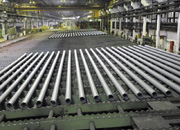
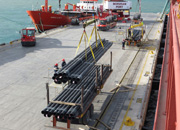
We supply API 5CT oil casing, tubing, and API 5DP drill pipe for onshore and offshore drilling, completion, and production. Casing and tubing options cover common grades such as J55, K55, N80, L80, and P110, with selectable OD, wall thickness, length, and STC/LTC/BTC or premium connections. Drill pipe is available in E75, X95, G105, and S135, with attention to tool-joint size, connection type, and inspection condition for new or reconditioned pipe. Quality control includes grade verification, dimensional checks, thread inspection, nondestructive testing, and material test certificates. For international orders, pipes are bundled, capped, marked, and shipped by container or breakbulk with complete export documentation. To request a quotation, provide product type, grade, dimensions, quantity, connection, testing needs, destination port, and delivery schedule.
Conclusion:
Oil casing, tubing, and drill pipe are essential OCTG products with distinct functions. Casing supports the wellbore, prevents collapse, and isolates formations. Tubing transports produced oil, gas, or injected fluids inside the casing. Drill pipe forms part of the drill string, transmitting torque and drilling fluid during drilling. Selection must match the intended function, not just steel grade. Common casing and tubing grades include J55, K55, N80, L80, and P110 under API 5CT, while drill pipe grades include E75, X95, G105, and S135 under API 5DP. Buyers should verify outside diameter, wall thickness, connection type, pressure and temperature conditions, corrosion resistance, inspection requirements, and material test certificates before ordering. Choosing the right OCTG product for each application helps improve well integrity, reduce equipment risks, and control procurement costs.
FAQ:
Q1: What is the main difference between oil casing and oil tubing?
Oil casing supports and isolates the wellbore, while oil tubing provides a flow path for produced or injected fluids.
Q2: What is the difference between drill pipe and oil casing?
Drill pipe transmits torque and drilling fluid during drilling, while casing is installed to maintain wellbore stability and isolate formations.
Q3: Are oil casing and tubing manufactured to the same standard?
Both are commonly specified under API 5CT, but their dimensions, connections, and service requirements differ.
Q4: What standards are commonly used for drill pipe?
API Spec 5DP is a commonly used standard for drill pipe, with additional project-specific requirements applying where specified.
Q5: How do I choose the right OCTG grade?
Consider the intended function, well depth, pressure, temperature, loads, corrosion environment, connection requirements, and applicable standards before selecting a grade.
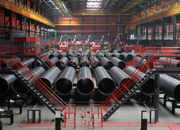 Threeway Steel is known as a professional supplier engaged in manufacturing and distributing a wide range of steel pipe, and our headquarter located the central part of China – Hunan and six associated factories throughout China.
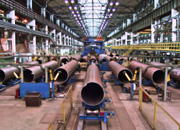 Threeway Steel is known as a professional supplier engaged in designing, manufacturing and distribution of a wide range of steel products with the headquarter located the central part of China – Hunan and six associated factories throughout China.
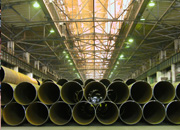 Threeway Steel is known as a professional supplier engaged in designing, manufacturing and distribution of a wide range of steel products with the headquarter located the central part of China – Hunan and six associated factories throughout China.
 Threeway Steel is known as a professional supplier engaged in designing, manufacturing and distribution of a wide range of steel products with the headquarter located the central part of China – Hunan and six associated factories throughout China.
 Threeway Steel is known as a professional supplier engaged in designing, manufacturing and distribution of a wide range of steel products with the headquarter located the central part of China – Hunan and six associated factories throughout China.