Precision steel tubes are essential for automotive, hydraulic, and machinery applications requiring tight dimensional accuracy and superior surface quality. This guide compares two key manufacturing processes: cold drawing and cold rolling. Cold-drawn tubes are pulled through dies to achieve precise outside diameters and consistent wall thickness, enhancing mechanical strength. Cold-rolled tubes are shaped via rollers, offering excellent dimensional uniformity and specific reductions. While both methods improve upon hot-finished tubes, they differ in production efficiency, surface finish, and cost. Selecting the right process depends on specific engineering requirements, raw materials, and inspection standards.
What Are Cold-Drawn Precision Tubes?
Cold-drawn precision tubes are steel tubes manufactured through a cold drawing process to achieve accurate dimensions, consistent wall thickness, and a smooth surface finish. Widely used in automotive components, hydraulic systems, industrial machinery, and precision engineering equipment.
Unlike hot-finished tubes—cold-drawn tubes undergo additional deformation at or near room temperature—allowing manufacturers to reduce outside diameter, inside diameter, or wall thickness while improving dimensional consistency.
Quick Overview
1. Manufacturing Process
Production generally begins with a suitable hot-finished or previously manufactured steel tube.
2. Main Characteristics
3. Common Applications
Appropriate tube specification depends on: operating pressure, mechanical loads, working environment, and dimensional requirements.
4. What Should Buyers Consider?
What Are Cold-Rolled Precision Tubes?
Cold-rolled precision tubes are steel tubes manufactured through a cold rolling process to achieve controlled dimensions, uniform wall thickness, and good surface quality. The process passes a tube through specially designed rollers to reduce diameter or wall thickness at or near room temperature.
Commonly used in: automotive manufacturing, hydraulic equipment, industrial machinery, instrumentation, and precision engineering.
Unlike cold-drawn tubes (pulled through a die)—cold-rolled tubes are shaped and reduced through mechanical pressure applied by rollers. Results depend on rolling equipment, process parameters, raw material, and any subsequent heat treatment.
Quick Overview
1. Manufacturing Process
2. Main Characteristics
3. Common Applications
For pressure-bearing applications: suitability must be verified through applicable design calculations, material specifications, and inspection requirements.
4. What Should Buyers Consider?
Cold-Drawn vs. Cold-Rolled Precision Tubes: Key Differences
Cold-drawn and cold-rolled precision tubes are both manufactured through cold-working processes—providing accurate dimensions, good surface quality, and improved mechanical properties compared with conventional hot-finished tubes. However, their manufacturing methods and production characteristics differ.
Comparison Table
1. Differences in Manufacturing Processes
2. Dimensional Accuracy and Surface Finish
Both processes can produce high dimensional accuracy and smooth surfaces—achievable results depend on equipment, tooling, material condition, and process control.
Neither process guarantees better surface finish in every situation. Specify required surface roughness, dimensional tolerances, and inspection methods when ordering.
3. Mechanical Properties and Performance
Both involve plastic deformation—can cause work hardening—may increase tensile strength and hardness while reducing ductility.
Final mechanical properties depend on: steel grade, amount of deformation, and subsequent heat treatment.
Compare actual values—not assumptions: tensile strength, yield strength, elongation, and hardness. Do not assume one process always produces stronger tubes.
4. Which Process Is Better?
There is no universal answer.
Final selection should consider: tube dimensions, material grade, mechanical properties, surface quality, heat treatment, and production cost. Applicable product standard and inspection requirements are equally important.
Request technical data sheets and inspection records to verify supplied tubes meet project requirements. Comparing actual specifications is more reliable than choosing based only on manufacturing method.
How to Choose Between Cold-Drawn and Cold-Rolled Precision Tubes
Selecting between cold-drawn and cold-rolled precision tubes requires more than comparing manufacturing processes. Both can provide accurate dimensions, smooth surfaces, and reliable mechanical properties—but suitability depends on tube specifications, operating conditions, and final application requirements.
Selection Checklist at a Glance
1. Consider Dimensional Accuracy and Tolerances
Dimensional requirements are among the most important factors.
Always confirm achievable tolerances with the manufacturer.
2. Evaluate Surface Finish Requirements
Surface quality affects performance—especially in hydraulic systems, mechanical components, and applications involving moving parts.
Both processes can achieve smooth internal and external surfaces—final finish depends on tooling, lubrication, processing conditions, and subsequent surface treatment.
If specific surface roughness is required: clearly state the requirement in the purchase specification. Additional finishing operations may be necessary.
3. Compare Mechanical Properties
Cold working can increase tensile strength and hardness while reducing ductility—degree of change depends on material grade and amount of deformation.
For pressure-bearing or load-bearing applications: selected tube must meet relevant design and safety requirements. Do not assume cold-drawn tubes are always stronger than cold-rolled tubes—compare certified test results for actual product condition.
4. Match the Tube to Its Application
5. Consider Manufacturing Standards and Quality Inspection
Before purchasing, confirm applicable ASTM, EN, ISO, or project-specific standards.
Check whether supplier can provide: material test certificates and required inspection records.
Important inspection items: outside diameter, wall thickness, straightness, surface condition, tensile properties, and hardness. Additional NDT or other examinations should be specified when required.
6. Compare Cost and Delivery Requirements
Total purchasing cost includes more than unit price.
Key Quality Inspection and Purchasing Considerations
When purchasing cold-drawn or cold-rolled precision tubes, buyers should pay close attention to product quality, dimensional accuracy, mechanical properties, and manufacturing standards. Even small dimensional deviations or surface defects can affect installation, machining, and operating performance.
Inspection & Purchasing Checklist at a Glance
1. Verify Material Grade and Chemical Composition
Material grade directly affects strength, hardness, ductility, weldability, and corrosion resistance.
Confirm: specified steel grade and applicable material standard. Request material test certificate to verify chemical composition—including carbon, manganese, silicon, chromium, and nickel where applicable.
Material traceability is important—particularly for pressure-bearing and safety-critical applications.
2. Check Dimensional Accuracy and Tolerances
Measurement methods and acceptance limits should follow applicable product standard or purchase agreement.
3. Inspect Surface Quality
Surface defects can affect tube performance and service life.
If additional surface treatment or finishing is required: confirm process and acceptance criteria before production.
4. Conduct Mechanical Property Testing
Not every test applies to every precision tube. Inspection scope should be agreed upon according to product specification and intended use.
5. Confirm Manufacturing Standards and Documentation
Identify applicable ASTM, EN, ISO, or project-specific standards before placing an order.
The standard should match: tube's material, manufacturing method, dimensions, and intended application.
6. Evaluate Supplier Capability and Purchasing Terms
A reliable supplier should:
-
Understand technical drawings
-
Confirm manufacturing feasibility
-
Provide products that meet agreed specifications
Also review: production lead time, minimum order quantity, packaging, labeling, and delivery arrangements.
Before confirming an order, clearly specify:
Our Recommended Precision Steel Tube Products and Global Shipping Services
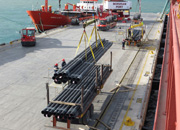
Supplies cold-drawn and cold-rolled precision steel tubes for automotive, hydraulic, and machinery applications. Cold-drawn tubes offer precise outside diameters and consistent wall thickness, while cold-rolled tubes provide excellent dimensional uniformity. Custom specifications include material grade, dimensions, tolerances, straightness, surface finish, and heat-treatment conditions. Quality control covers material verification, dimensional inspection, mechanical testing, and documentation compliance. For international buyers, export packaging, container loading, shipping coordination, and commercial documents can be arranged to confirm order requirements. Provide material grade, dimensions, manufacturing process, quantity, destination port, and applicable standards to request a quotation.
Conclusion:
Choosing between cold-drawn and cold-rolled precision tubes depends on specific project requirements. Cold-drawn tubes offer precise outside diameters and consistent wall thickness, making them ideal for automotive and hydraulic applications. Cold-rolled tubes provide excellent dimensional uniformity and substantial reductions, suiting precision engineering and machinery. While both processes enhance mechanical strength through cold working, neither is universally superior. Buyers should evaluate dimensional tolerances, surface quality, mechanical properties, material grade, and applicable ASTM or ISO standards rather than focusing solely on the process name. Considering total lifecycle costs and supplier capability ensures optimal selection.
FAQ:
Q1: What is the main difference between cold-drawn and cold-rolled precision tubes?
Cold-drawn tubes are pulled through a die, while cold-rolled tubes are reduced and shaped by rollers.
Q2: Are cold-drawn precision tubes more accurate than cold-rolled tubes?
Not necessarily. Both can achieve high dimensional accuracy. Actual tolerances depend on manufacturing equipment and process control.
Q3: Which has a better surface finish, cold-drawn or cold-rolled precision tubes?
Both can provide smooth surfaces. The final finish depends on tooling, lubrication, processing conditions, and inspection.
Q4: Are cold-drawn and cold-rolled precision tubes stronger than hot-finished tubes?
Cold working can increase strength and hardness, but final mechanical properties depend on material grade and heat treatment.
Q5: Which precision tube is better for hydraulic and automotive applications?
Both can be suitable. Selection depends on dimensional tolerances, pressure requirements, mechanical properties, and application conditions.

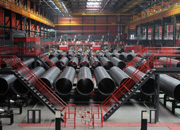 Threeway Steel is known as a professional supplier engaged in manufacturing and distributing a wide range of steel pipe, and our headquarter located the central part of China – Hunan and six associated factories throughout China.
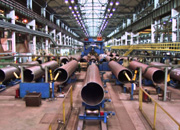 Threeway Steel is known as a professional supplier engaged in designing, manufacturing and distribution of a wide range of steel products with the headquarter located the central part of China – Hunan and six associated factories throughout China.
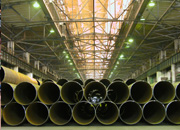 Threeway Steel is known as a professional supplier engaged in designing, manufacturing and distribution of a wide range of steel products with the headquarter located the central part of China – Hunan and six associated factories throughout China.
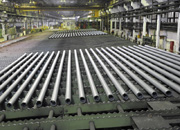 Threeway Steel is known as a professional supplier engaged in designing, manufacturing and distribution of a wide range of steel products with the headquarter located the central part of China – Hunan and six associated factories throughout China.
 Threeway Steel is known as a professional supplier engaged in designing, manufacturing and distribution of a wide range of steel products with the headquarter located the central part of China – Hunan and six associated factories throughout China.