Low-carbon and ordinary carbon steel pipes are essential materials widely used in construction, manufacturing, and fluid transportation. Low-carbon steel, characterized by its lower carbon content, offers excellent ductility, formability, and weldability, making it highly suitable for structural components and general fabrication. In contrast, "ordinary carbon steel" is a broader category encompassing various grades with differing mechanical properties.
Selecting the right pipe requires looking beyond general categories. Buyers must evaluate specific steel grades, chemical composition, yield strength, and operating conditions such as pressure and temperature. The manufacturing method—whether seamless or welded—should also be determined by actual project requirements rather than carbon content alone.
Key Characteristics of Low-Carbon Steel Pipes
Low-carbon steel pipes are popular in general engineering because they offer a practical balance of weldability, ductility, formability, and moderate strength. Their performance depends on grade, process, and standard – not just carbon content.
Key Characteristics – Quick Overview
Detailed Breakdown
When to Choose Low-Carbon Steel Pipes
Selection Checklist – Don't Rely on Carbon Alone
Low-Carbon Steel Pipes vs. Ordinary Carbon Steel Pipes
Low-carbon steel is a sub‑category of carbon steel – not a completely different material. "Ordinary carbon steel" is a broader term covering many grades with varying carbon content. The real comparison should be grade‑to‑grade, not name‑to‑name.
Quick Comparison Table
Detailed Comparison – What Matters
Application Guidance
Selection Checklist – Compare Grades, Not Names
Applications of Low-Carbon Steel Pipes
Details by Application
When to Choose Low-Carbon Steel Pipes
Selection Reminder
How to Choose Between Low-Carbon and Ordinary Carbon Steel Pipes
Selection Factors – Quick Overview
Decision Guide – Quick Comparison
Step‑by‑Step Selection Process
When to Choose Which – Quick Reference
Our Low-Carbon Steel Pipe Products and Shipping Services
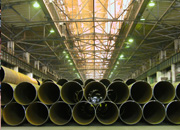
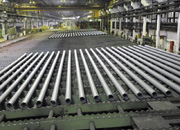
We supply premium low-carbon steel pipes, including seamless and welded options, tailored for construction, structural engineering, and general industrial piping. Our customizable products are available in various steel grades, dimensions, and international standards (ASTM, EN, API) to meet your specific project requirements.
Quality and safety are paramount. Every pipe undergoes rigorous inspections, including tensile, hydrostatic, and non-destructive testing, and is accompanied by comprehensive material certificates to ensure compliance and traceability. To guarantee safe transit, we provide secure, marine-grade packaging and protective coatings tailored to your transportation needs.
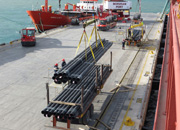
Beyond manufacturing, we offer end-to-end global shipping solutions. Whether you require containerized or bulk vessel transport, our logistics team manages production scheduling, export documentation, and delivery coordination to meet your project deadlines.
From product selection to final delivery, we provide a comprehensive, reliable supply chain for your low-carbon steel pipe needs. Contact us today with your required steel grade, pipe dimensions, applicable standard, and destination for a customized quote and efficient shipping solution.
Conclusion
Choosing the right carbon steel pipe is essential for the success of construction, manufacturing, and fluid transportation projects. While low-carbon steel pipes are highly valued for their excellent weldability, ductility, and formability, selecting the optimal material requires evaluating specific project needs rather than relying solely on carbon content.
Buyers must first identify the actual application, considering critical factors such as operating pressure, temperature, mechanical loads, and the installation environment. It is equally important to verify the complete chemical composition and mechanical properties against applicable standards to ensure the chosen steel grade meets safety and performance requirements.
Accurate pipe dimensions, including outside diameter and wall thickness, must align with engineering designs to optimize flow capacity and prevent unnecessary costs. Additionally, implementing proper corrosion protection and verifying product quality through rigorous testing and material certificates are vital for long-term durability. Partnering with a reliable supplier who offers consistent quality, comprehensive documentation, and dependable delivery further ensures project efficiency.
FAQ:
FAQ 1: What is a low-carbon steel pipe?
Answer: It is a carbon steel pipe with relatively low carbon content, generally offering good weldability, ductility, and formability.
FAQ 2: What is the difference between low-carbon steel and ordinary carbon steel pipes?
Answer: Low-carbon steel is a specific category based on carbon content, while "ordinary carbon steel" is a broader term that can include different carbon levels and grades.
FAQ 3: Are low-carbon steel pipes easy to weld?
Answer: Yes. Their relatively low carbon content generally provides good weldability and reduces the risk of cracking when appropriate welding procedures are used.
FAQ 4: Are low-carbon steel pipes strong?
Answer: They provide moderate strength and good toughness, but higher-carbon or alloy steel grades may be more suitable when higher strength or hardness is required.
FAQ 5: What are low-carbon steel pipes commonly used for?
Answer: They are commonly used in construction, structural applications, general fluid piping, mechanical fabrication, and other applications requiring good weldability and formability.
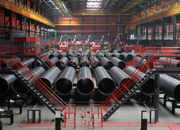 Threeway Steel is known as a professional supplier engaged in manufacturing and distributing a wide range of steel pipe, and our headquarter located the central part of China – Hunan and six associated factories throughout China.
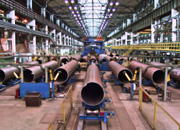 Threeway Steel is known as a professional supplier engaged in designing, manufacturing and distribution of a wide range of steel products with the headquarter located the central part of China – Hunan and six associated factories throughout China.
 Threeway Steel is known as a professional supplier engaged in designing, manufacturing and distribution of a wide range of steel products with the headquarter located the central part of China – Hunan and six associated factories throughout China.
 Threeway Steel is known as a professional supplier engaged in designing, manufacturing and distribution of a wide range of steel products with the headquarter located the central part of China – Hunan and six associated factories throughout China.
 Threeway Steel is known as a professional supplier engaged in designing, manufacturing and distribution of a wide range of steel products with the headquarter located the central part of China – Hunan and six associated factories throughout China.