Introduction: Why Galvanized Metal Is Used
Galvanized metal, typically steel coated with a protective layer of zinc, is a cornerstone material in construction, manufacturing, and infrastructure due to its exceptional corrosion resistance and longevity. While carbon steel is strong and affordable, it is highly susceptible to rust when exposed to moisture and oxygen. Galvanization solves this critical issue through a dual-protection mechanism.
First, the zinc coating acts as a robust physical barrier, shielding the underlying steel from environmental elements. Second, it provides sacrificial protection. If the surface is scratched or damaged, the zinc corrodes preferentially to the steel, effectively "sacrificing" itself to prevent rust from compromising the structural integrity.
This makes galvanized metal an ideal, cost-effective solution for outdoor and high-humidity applications, including:
Structural frameworks, roofing, and wall panels
Fencing systems, guardrails, and utility poles
Water pipes and agricultural equipment
Compared to expensive alternatives like stainless steel, galvanized steel offers a superior balance of durability, affordability, and low maintenance. It also serves as an excellent base for additional finishes like powder coating. However, it is not entirely immune to corrosion; factors like salt exposure and physical damage can eventually degrade the zinc layer.
Does Galvanized Metal Rust?
Galvanized metal is engineered to resist corrosion, but it is not completely rust-proof. Over time, galvanized steel can still develop rust depending on environmental conditions and maintenance.
How Galvanization Protects Metal
Galvanized steel features a protective zinc coating that acts as a physical barrier, shielding the base metal from moisture and oxygen. Additionally, it offers sacrificial protection: because zinc is more chemically active than steel, it corrodes first. Even if the coating is scratched, the surrounding zinc continues to protect the exposed steel from rusting.
Why Galvanized Metal Can Still Rust
The zinc layer is not permanent and can degrade due to several factors:
Environmental Exposure: Continuous exposure to rain, humidity, and industrial pollutants wears down the coating. Coastal areas are particularly harsh due to salt accelerating corrosion.
Surface Damage: Deep scratches or impacts can expose the underlying steel, leading to red rust.
Moisture Retention: Poor ventilation can cause "white rust," a powdery zinc oxidation that weakens the protective layer.
Chemical Exposure: Strong acids or alkalis can rapidly deteriorate the zinc surface.
Can Rust Be Prevented Completely?
No metal is entirely immune to corrosion forever. However, proper maintenance—such as regular cleaning, keeping surfaces dry, and promptly repairing damaged areas with zinc-rich coatings—can significantly slow the rusting process and extend the product's lifespan.
How to Clean Rust from Galvanized Metal
Galvanized metal is highly durable, but it can still develop white rust (zinc oxidation) or red rust (steel corrosion) over time. Cleaning it requires a careful approach: the goal is to remove corrosion without stripping away the protective zinc layer. Here is a step-by-step guide to safely restoring galvanized surfaces.
l Step 1: Identify the Corrosion Type
Before cleaning, inspect the surface to determine the severity of the damage. This will dictate the best cleaning method.
|
Corrosion Type
|
Appearance
|
What It Means
|
|
White Rust
|
White or gray powdery layer
|
Moisture trapped on the zinc surface; coating is intact.
|
|
Red Rust
|
Reddish-brown flaky spots
|
The zinc coating is compromised; the steel base is corroding.
|
|
Surface Stains
|
Dirt or dull discoloration
|
General environmental contamination or mild oxidation.
|
l Step 2: Basic Cleaning for Light Stains
For general dirt or early-stage white rust, a gentle approach is best.
(1)Prepare Solution: Mix warm water with a mild detergent or soap.
(2)Scrub Gently: Use a soft cloth, sponge, or non-abrasive brush to clean the surface.
(3)Rinse & Dry: Rinse thoroughly with clean water and dry the metal completely to prevent new moisture-related corrosion.
l Step 3: Removing White Rust
Mild acidic solutions can effectively dissolve zinc oxidation without damaging the underlying metal.
Vinegar Method: Apply diluted white vinegar to the affected area and let it sit for a few minutes. Gently scrub with a soft brush, rinse with clean water, and dry immediately.
Alternative: A baking soda solution (1:10 ratio with water) can also neutralize acidic residues and clean the surface.
l Step 4: Treating Red Rust
If red rust is present, the protective layer has been breached, requiring more intensive care.
Remove Rust: Lightly sand the area with fine abrasive pads to expose clean metal.
Clean Surface: Wipe away all dust and debris.
Apply Protection: Immediately apply a zinc-rich repair coating or cold galvanizing spray to restore the protective barrier and prevent further rusting.
Cleaning Methods to Avoid
To preserve the lifespan of your galvanized metal, strictly avoid these aggressive methods:
|
Avoid These Methods
|
Reason to Avoid
|
|
Strong Acids (e.g., Hydrochloric Acid)
|
Will aggressively strip away the protective zinc coating.
|
|
Steel Wool or Wire Brushes
|
Abrasive particles can embed in the metal and cause new rust.
|
|
High-Pressure Grinding
|
Physically removes the galvanized layer, exposing the steel.
|
|
Leaving Surface Wet
|
Promotes immediate re-oxidation and white rust formation.
|
How to Prevent Rust on Galvanized Metal
While galvanized metal is engineered to resist corrosion, proactive maintenance is essential to maximize its lifespan. Environmental factors like moisture, salt, and physical damage can gradually degrade the zinc coating. Implementing the following preventive strategies will help preserve the protective layer and significantly reduce long-term repair or replacement costs.
Core Maintenance Strategies
To keep galvanized steel in optimal condition, focus on cleanliness, proper storage, and physical protection:
l Keep it Clean and Dry: Regularly wash surfaces with water and mild detergent to remove dirt, salt, and industrial pollutants that accelerate corrosion. Always ensure the metal is thoroughly dried and has good drainage to prevent standing water, which causes white rust.
l Ensure Proper Storage: Store materials in dry, well-ventilated areas. Avoid direct contact with wet ground and use protective covers that allow airflow to prevent moisture from getting trapped between stacked items.
l Protect from Physical Damage: Handle products carefully during transport and installation to avoid scratches or abrasions that expose the underlying steel. Any damaged areas should be immediately repaired using zinc-rich repair coatings.
l Conduct Regular Inspections: Routinely check for early signs of white rust, discoloration, or coating damage. Catching issues early makes maintenance simpler and more cost-effective.
Enhancing Protection in Harsh Environments
In highly corrosive environments—such as coastal areas or industrial zones—standard galvanization may need reinforcement. Applying additional protective layers can drastically improve durability.
|
Protective Coating Option
|
Best Use Case & Benefit
|
|
Powder Coating
|
Creates a "duplex system" with galvanization, offering superior durability and aesthetic appeal for outdoor structures.
|
|
Zinc-Rich Primers
|
Ideal for touching up scratches or damaged areas to restore the sacrificial zinc barrier quickly.
|
|
Industrial Paint Systems
|
Provides a thick, chemical-resistant barrier suitable for aggressive industrial environments.
|
|
Anti-Corrosion Sealants
|
Excellent for sealing joints and crevices where moisture tends to accumulate and cause hidden rust.
|
Product Recommendation and Shipping Information from Threeway Steel Co., Ltd.
Selecting high-quality galvanized steel products is essential for ensuring long-term corrosion resistance and reliable structural performance. Threeway Steel Co., Ltd. focuses on stable manufacturing quality and strict inspection procedures. The company provides steel products with controlled dimensions, smooth surface finishes, and reliable coating performance.
Packaging and Shipping Information
Proper packaging and transportation are important for protecting galvanized steel products from moisture and surface damage during shipment.
Threeway Steel Co., Ltd. provides export-oriented packaging solutions designed to reduce corrosion risk during storage and transportation. Common packaging methods include:
* Waterproof wrapping materials
* Steel strapping and reinforced bunding
* Protective end caps for pipes
* Moisture-resistant export packaging
The company supports:
* Sea freight container shipping
* Bulk cargo transportation
* Land and multimodal transport solutions
* Customized logistics arrangements for international orders
Efficient shipping coordination helps customers receive products safely and on schedule.
Why Choose Threeway Steel Co., Ltd.
* Competitive pricing
* Broad product range
* Export experience
* Flexible customization services
* Reliable delivery support
Whether the project requires galvanized pipes for infrastructure or anti-corrosion steel materials for industrial applications, the company provides solutions tailored to different market needs.
FAQ 1: Can galvanized metal rust over time?
Yes. Although galvanized metal is highly corrosion-resistant, the zinc coating can gradually wear down due to moisture, salt exposure, chemicals, or physical damage. Once the zinc layer is compromised, rust can develop on the underlying steel.
FAQ 2: What is the best way to clean galvanized metal?
The safest method is using warm water, mild detergent, and a soft cloth or brush. For white rust or light oxidation, vinegar-based cleaning solutions can be used carefully. Avoid strong acids and abrasive tools that may damage the zinc coating.
FAQ 3: What causes white rust on galvanized steel?
White rust forms when galvanized steel is exposed to trapped moisture with limited airflow, especially during storage or shipping. It is a zinc oxidation product that appears as a white powdery layer on the surface.
FAQ 4: How can I prevent galvanized steel from rusting?
Proper storage, regular cleaning, good ventilation, and protective coatings can help extend the life of galvanized steel. Keeping the surface dry and free from salt or chemical contamination is especially important in outdoor environments.
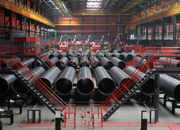 Threeway Steel is known as a professional supplier engaged in manufacturing and distributing a wide range of steel pipe, and our headquarter located the central part of China – Hunan and six associated factories throughout China.
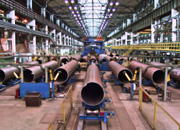 Threeway Steel is known as a professional supplier engaged in designing, manufacturing and distribution of a wide range of steel products with the headquarter located the central part of China – Hunan and six associated factories throughout China.
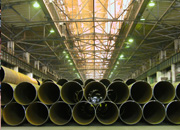 Threeway Steel is known as a professional supplier engaged in designing, manufacturing and distribution of a wide range of steel products with the headquarter located the central part of China – Hunan and six associated factories throughout China.
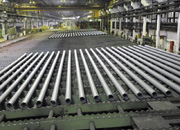 Threeway Steel is known as a professional supplier engaged in designing, manufacturing and distribution of a wide range of steel products with the headquarter located the central part of China – Hunan and six associated factories throughout China.
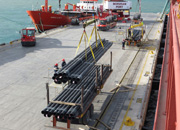 Threeway Steel is known as a professional supplier engaged in designing, manufacturing and distribution of a wide range of steel products with the headquarter located the central part of China – Hunan and six associated factories throughout China.