Why Powder Coating Matters for Steel Pipe
Steel pipe is essential in construction, infrastructure, and industrial frameworks, yet it remains highly vulnerable to corrosion from moisture, oxygen, and UV radiation. Without robust surface protection, steel quickly rusts, weakens, and demands costly replacements. Powder coating provides the ultimate defense. This dry finishing process electrostatically applies pigment and resin particles to the steel, curing them under heat to form a hard, protective skin. Unlike traditional liquid paint, it is eco-friendly, solvent-free, and exceptionally durable.
The primary goal of powder coating is to enhance resistance against weathering and mechanical wear. In outdoor settings, it acts as an impermeable barrier, preventing moisture from reaching the metal and significantly slowing the rusting process. Beyond protection, powder-coated surfaces offer superior toughness, resisting chipping, scratching, and fading far better than conventional paints. This makes them ideal for high-contact applications like railings, fencing, and architectural structures.
Aesthetics also play a crucial role. Powder coating offers a vast array of colors, textures, and finishes, allowing designers to blend functional steel components with modern architectural styles seamlessly. However, not all finishes perform equally under harsh environmental conditions. Factors like intense UV exposure, humidity, and coastal salt spray can drastically impact longevity. Therefore, understanding the specific types of powder coating finishes is essential for ensuring long-term performance.
Main Types of Powder Coating Finishes for Steel Pipe
Different powder coating finishes offer varying levels of protection, appearance, and durability. Selecting the right type is crucial, as steel pipes face diverse indoor and outdoor exposure conditions. Below is a breakdown of the most common finishes and a quick comparison to help you choose.
|
Coating Type
|
Best Application Environment
|
Key Advantages
|
|
Polyester (Standard)
|
General Outdoor
|
Cost-effective, good UV & color stability
|
|
Epoxy
|
Indoor / Underground
|
Superior chemical & corrosion resistance
|
|
Epoxy-Polyester Hybrid
|
Indoor / Semi-protected
|
Balanced mechanical strength & appearance
|
|
Super Durable Polyester
|
Harsh Outdoor
|
Excellent UV resistance & long service life
|
|
Fluoropolymer (PVDF)
|
Extreme / Coastal
|
Maximum durability & weatherability
|
Which Powder Coating Finish Lasts Best Outdoors?
When steel pipes are used outdoors, they face constant exposure to sunlight, rain, temperature fluctuations, and sometimes salt or industrial pollution. Not all powder coatings perform equally under these conditions. Their outdoor durability primarily depends on UV resistance, weather stability, and long-term color retention.
Best Overall Performance: Fluoropolymer (PVDF) Coating
Fluoropolymer (PVDF) offers the highest level of outdoor durability. Specifically engineered for extreme environments, it provides outstanding resistance to UV radiation, preventing fading and chalking even after years of direct sunlight. PVDF also excels in coastal and industrial areas where salt spray and pollutants accelerate corrosion. While it is the most expensive option, its extreme longevity significantly reduces maintenance and repainting costs for high-rise buildings and premium infrastructure.
High Durability Option: Super Durable Polyester
Super durable polyester is the most practical choice for most outdoor steel pipe applications. It offers significantly better UV resistance than standard polyester, making it ideal for harsh sunlight and variable climates. It maintains excellent color stability over time, providing a strong balance between performance and cost for commercial fencing and public infrastructure.
Standard Outdoor Use: Polyester Powder Coating
Standard polyester remains a reliable, cost-effective finish for general outdoor use in moderate climates. However, prolonged exposure to intense sunlight may eventually cause gradual fading or surface aging.
Key Factors Affecting Outdoor Lifespan
Beyond the coating type, performance relies heavily on UV exposure intensity, environmental conditions (humidity, salt air), coating thickness, and rigorous surface preparation. Poor preparation can drastically reduce the lifespan of even the best coatings.
For maximum outdoor durability, PVDF is the top performer, followed by super-durable polyester as a cost-effective alternative. Standard polyester suits general applications but has limitations in extreme environments. Choosing the right coating requires balancing environmental demands, project lifespan, and budget.
Surface Preparation: The Hidden Factor in Coating Lifespan
When discussing powder coating on steel pipes, focus is usually on the coating type (polyester, PVDF, etc.). However, the most critical factor for long-term durability is often overlooked: surface preparation. Even the highest-quality powder coating will fail prematurely if the steel surface isn't properly prepped, making it a leading cause of peeling, bubbling, and early corrosion.
Why Surface Preparation Matters
Steel pipes naturally harbor oil, grease, dust, mill scale, and rust. These impurities prevent the strong mechanical and chemical bond required for powder coating. If the bond is weak, moisture and oxygen penetrate beneath the finish, triggering rust and coating failure. Proper preparation ensures strong adhesion, an even finish, and significantly improved corrosion resistance.
Common Surface Preparation Methods
Degreasing and Cleaning: The essential first step is to remove oil, grease, and dirt that interfere with adhesion.
Sandblasting or Shot Blasting: A highly effective method using high-pressure abrasives to strip rust and mill scale. It creates a slightly rough texture (anchor profile), allowing the powder to bond more effectively to the steel.
Chemical Pretreatment: Processes like phosphating form a thin protective layer that boosts corrosion resistance and enhances coating adhesion, which is vital for outdoor applications.
How Poor Preparation Affects Performance
Insufficient preparation leads to delayed but inevitable defects, including blistering, peeling, and rust spreading underneath the coating. This drastically shortens the service life, proving that even a premium super durable polyester or PVDF coating cannot perform without a clean, well-prepared base.
Surface preparation is the foundation of any successful powder coating system.
While the coating type sets the performance ceiling, proper preparation determines whether that potential is achieved. For outdoor steel pipes, investing in rigorous cleaning, blasting, and pretreatment is just as crucial as selecting the right coating.
Surface Preparation: The Hidden Factor in Coating Lifespan
When discussing powder coating on steel pipes, focus is usually on the coating type (polyester, PVDF, etc.). However, the most critical factor for long-term durability is often overlooked: surface preparation. Even the highest-quality powder coating will fail prematurely if the steel surface isn't properly prepped, making it a leading cause of peeling, bubbling, and early corrosion.
Why Surface Preparation Matters
Steel pipes naturally harbor oil, grease, dust, mill scale, and rust. These impurities prevent the strong mechanical and chemical bond required for powder coating. If the bond is weak, moisture and oxygen penetrate beneath the finish, triggering rust and coating failure. Proper preparation ensures strong adhesion, an even finish, and significantly improved corrosion resistance.
Common Surface Preparation Methods
Degreasing and Cleaning: The essential first step to remove oil, grease, and dirt that interfere with adhesion.
Sandblasting or Shot Blasting: A highly effective method using high-pressure abrasives to strip rust and mill scale. It creates a slightly rough texture (anchor profile), allowing the powder to bond more effectively to the steel.
Chemical Pretreatment: Processes like phosphating form a thin protective layer that boosts corrosion resistance and enhances coating adhesion, which is vital for outdoor applications.
How Poor Preparation Affects Performance
Insufficient preparation leads to delayed but inevitable defects, including blistering, peeling, and rust spreading underneath the coating. This drastically shortens the service life, proving that even a premium super durable polyester or PVDF coating cannot perform without a clean, well-prepared base.
Surface preparation is the foundation of any successful powder coating system. While the coating type sets the performance ceiling, proper preparation determines whether that potential is achieved. For outdoor steel pipes, investing in rigorous cleaning, blasting, and pretreatment is just as crucial as selecting the right coating.
Conclusion: Choosing the Right Finish for Long-Term Performance
Selecting the right powder coating finish for steel pipe is an important decision that directly affects durability, maintenance costs, and overall project performance. While all powder coatings provide a protective layer, their long-term effectiveness depends on the coating type, environmental conditions, and the quality of surface preparation before application.
For general outdoor applications, standard polyester powder coating remains one of the most practical and widely used solutions. It offers reliable weather resistance, stable appearance, and cost-effective protection for products such as fencing, railings, and structural steel components. In moderate climates, it can provide many years of service with minimal maintenance.
However, projects exposed to stronger sunlight, heavy rain, or changing temperatures often require higher-performance finishes. In these situations, super durable polyester powder coating is a better option. Its improved UV resistance and enhanced color retention make it suitable for long-term outdoor installations where appearance and durability are equally important.
For the most demanding environments, such as coastal regions or industrial areas with high humidity and chemical exposure, fluoropolymer (PVDF) coating delivers the best overall performance. Although the initial cost is higher, its exceptional resistance to fading, corrosion, and weathering can significantly reduce maintenance and replacement expenses over time. This makes it a preferred choice for premium architectural and infrastructure projects.
At the same time, coating performance is not determined by finish type alone. Proper surface preparation is equally important. Cleaning, blasting, and chemical pretreatment ensure strong adhesion between the coating and the steel surface. Without adequate preparation, even the highest-quality coating can fail prematurely through peeling, blistering, or corrosion.
When choosing a powder coating finish, several factors should be considered:
* Outdoor exposure level and climate conditions
* Expected service life of the project
* Budget and maintenance requirements
* Appearance and color retention needs
* Corrosion risks in coastal or industrial environments
A well-selected coating system can greatly extend the lifespan of steel pipe while maintaining structural integrity and visual quality. By combining the correct finish with professional surface preparation and quality manufacturing, steel pipes can achieve reliable long-term performance in a wide range of outdoor applications.
Ultimately, the best powder coating finish is the one that balances durability, environmental resistance, appearance, and cost according to the specific needs of the project.

 Threeway Steel is known as a professional supplier engaged in manufacturing and distributing a wide range of steel pipe, and our headquarter located the central part of China – Hunan and six associated factories throughout China.
 Threeway Steel is known as a professional supplier engaged in designing, manufacturing and distribution of a wide range of steel products with the headquarter located the central part of China – Hunan and six associated factories throughout China.
 Threeway Steel is known as a professional supplier engaged in designing, manufacturing and distribution of a wide range of steel products with the headquarter located the central part of China – Hunan and six associated factories throughout China.
 Threeway Steel is known as a professional supplier engaged in designing, manufacturing and distribution of a wide range of steel products with the headquarter located the central part of China – Hunan and six associated factories throughout China.
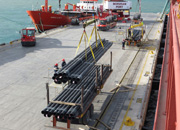 Threeway Steel is known as a professional supplier engaged in designing, manufacturing and distribution of a wide range of steel products with the headquarter located the central part of China – Hunan and six associated factories throughout China.