First, what materials are
anti-corrosion steel pipes made of?
Anti-corrosion pipes, also known as anti-corrosion steel pipes, refer to steel pipes that have undergone anti-corrosion processing to effectively prevent or slow down corrosion caused by chemical or electrochemical reactions during transportation and use. Anti-corrosion steel pipes are made from high-quality seamless steel pipes after surface treatment. The main materials for seamless steel pipes are Q235B, Q345B, and 16Mn, which can be selected according to the actual usage environment.
Second, an introduction to the production process of anti-corrosion steel pipes:
1. Raw material preparation for anti-corrosion steel pipes: The steel pipe material for anti-corrosion steel pipes should be low-alloy steel or stainless steel with good corrosion resistance. Before production begins, the raw materials should be inspected to ensure they meet production requirements.
2. Pipe body preparation for anti-corrosion steel pipes: Pipe body preparation is a crucial step in the production of anti-corrosion steel pipes. First, the steel pipe should be derusted to avoid corrosion and impurities affecting the anti-corrosion effect. Then, the anti-corrosion layer is applied to the surface of the seamless steel pipe using spraying or dipping methods. After the seamless steel pipe is coated, a curing process is required to ensure the strength and durability of the anti-corrosion layer.
3. Anti-corrosion coating of steel pipes: There are two main methods for coating the anti-corrosion layer: spraying and dipping. Spraying is suitable for pipes with complex production processes, requiring the anti-corrosion layer to be evenly sprayed onto the pipe surface. Dipping is suitable for pipes with relatively simple production processes, requiring the pipe to be immersed in the coating to allow the anti-corrosion coating to evenly cover the pipe surface.
4. Curing treatment of anti-corrosion steel pipes: After the anti-corrosion layer is coated, a curing process is required. There are two main curing methods: baking curing and natural curing. Baking curing requires heating the coating to a specified temperature and then maintaining that temperature for a specified time to achieve the desired curing effect. Natural curing involves allowing the coating to cure naturally at room temperature for a certain period of time.
5. Packaging and sales of anti-corrosion steel pipes: After the above steps, the production process of anti-corrosion steel pipes is basically complete. The final step is to package the produced anti-corrosion steel pipes and then sell them to customers in various industries. During the packaging and sales process, anti-corrosion steel pipes should be properly sealed to avoid damage during handling.
 Threeway Steel is known as a professional supplier engaged in manufacturing and distributing a wide range of steel pipe, and our headquarter located the central part of China – Hunan and six associated factories throughout China.
 Threeway Steel is known as a professional supplier engaged in designing, manufacturing and distribution of a wide range of steel products with the headquarter located the central part of China – Hunan and six associated factories throughout China.
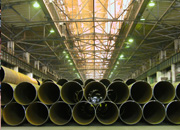 Threeway Steel is known as a professional supplier engaged in designing, manufacturing and distribution of a wide range of steel products with the headquarter located the central part of China – Hunan and six associated factories throughout China.
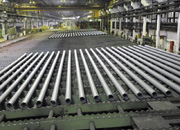 Threeway Steel is known as a professional supplier engaged in designing, manufacturing and distribution of a wide range of steel products with the headquarter located the central part of China – Hunan and six associated factories throughout China.
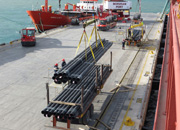 Threeway Steel is known as a professional supplier engaged in designing, manufacturing and distribution of a wide range of steel products with the headquarter located the central part of China – Hunan and six associated factories throughout China.