First,
Boiler Steel Tube Production Methods
Boiler steel tubes are a type of seamless steel tube. The manufacturing method is the same as for seamless steel tubes, but there are strict requirements on the steel grade used. They are divided into general boiler steel tubes and high-pressure boiler steel tubes based on their operating temperature.
The mechanical properties of boiler steel tubes are important indicators for ensuring the final performance (mechanical properties) of the steel. They depend on the chemical composition and heat treatment regime of the steel. Steel tube standards specify tensile properties (tensile strength, yield strength or yield point, elongation), hardness, toughness, and high and low temperature performance requirements based on different usage requirements.
① General boiler steel tubes are used at temperatures below 350℃. Domestically produced steel tubes are mainly made from No. 10 and No. 20 carbon structural steel hot-rolled or cold-drawn steel tubes.
② High-pressure boiler steel tubes are frequently used under high temperature and high-pressure conditions. Under the influence of high-temperature flue gas and steam, the steel tubes will undergo oxidation and corrosion. High creep strength, high resistance to oxidation and corrosion, and good structural stability are required.
Second, how to handle inconsistent boiler steel pipe wall thickness?
When the boiler steel pipe wall thickness is inconsistent, compensating shims can be used.
1. The required thickness can be achieved by thickening or thinning the steel pipe wall.
2. In the case of inconsistent steel pipe wall thickness, high-strength bolts and washers can be used to compensate for the inconsistent wall thickness to achieve the required thickness.
3. In the case of inconsistent steel pipe wall thickness, welding can also be used to compensate for the inconsistent wall thickness to achieve the required thickness.
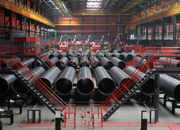 Threeway Steel is known as a professional supplier engaged in manufacturing and distributing a wide range of steel pipe, and our headquarter located the central part of China – Hunan and six associated factories throughout China.
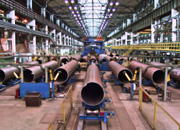 Threeway Steel is known as a professional supplier engaged in designing, manufacturing and distribution of a wide range of steel products with the headquarter located the central part of China – Hunan and six associated factories throughout China.
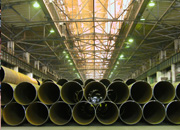 Threeway Steel is known as a professional supplier engaged in designing, manufacturing and distribution of a wide range of steel products with the headquarter located the central part of China – Hunan and six associated factories throughout China.
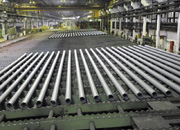 Threeway Steel is known as a professional supplier engaged in designing, manufacturing and distribution of a wide range of steel products with the headquarter located the central part of China – Hunan and six associated factories throughout China.
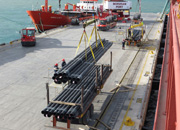 Threeway Steel is known as a professional supplier engaged in designing, manufacturing and distribution of a wide range of steel products with the headquarter located the central part of China – Hunan and six associated factories throughout China.