Steel elbows and steel bends are essential for directional changes in piping systems, but they serve different purposes. Steel elbows are compact, standardized fittings with fixed angles (e.g., 45°, 90°), ideal for space-limited, cost-efficient installations. In contrast, steel bends feature a larger radius and smoother curvature, minimizing flow resistance and pressure loss for large-diameter pipelines.
Choosing the right fitting is critical to prevent excessive pressure drops and optimize system performance. Both components are available in carbon, stainless, or alloy steel, catering to diverse industries like oil and gas, chemical processing, and municipal water networks.
What Are Steel Elbows?
Steel elbows are essential pipe fittings used to change fluid flow direction in piping systems, widely applied in oil and gas, chemical processing, and water supply networks. Typically manufactured in standardized fixed angles (45°, 90°, and 180°), their compact, short-radius design makes them ideal for space-limited installations.
Produced through hot forming, cold forming, or welding, steel elbows are available as seamless options for higher pressure resistance or welded versions for cost-effective general use. They are fabricated from carbon steel, stainless steel, or alloy steel to meet specific strength and corrosion resistance requirements. Manufactured to international standards like ASME B16.9, ASTM, and EN, these fittings ensure consistent dimensions and reliable interchangeability.
Despite creating slightly higher flow resistance than long-radius bends, steel elbows are highly valued for their versatility, standardization, and ease of installation. They are a fundamental component in industrial, HVAC, and municipal engineering projects where precise directional control and space efficiency are required.
What Are Steel Bends?
Steel bends are specialized pipe fittings designed to change pipeline direction with a smooth, continuous curvature. Unlike elbows, they feature a larger radius that significantly reduces flow resistance, turbulence, and pressure loss, making them ideal for high-capacity and long-distance transmission systems.
Manufactured through advanced processes like induction or mandrel bending, steel bends maintain structural integrity while shaping straight pipes into precise curves. They are available in long-radius, short-radius, and customized configurations to meet specific engineering layouts. Fabricated from carbon, stainless, or alloy steel, they offer excellent mechanical strength and corrosion resistance for demanding environments.
Although steel bends require more installation space and have a higher production cost compared to elbows, their superior hydraulic performance makes them indispensable. They are widely used in oil and gas, power generation, and chemical processing industries where minimizing pressure drops and ensuring stable fluid flow are critical priorities.
Key Differences Between Steel Elbows and Steel Bends
Steel elbows and steel bends both serve to change fluid flow direction, but they differ significantly in design and performance. Steel elbows feature a short-radius, fixed-angle structure, making them compact and cost-effective for space-limited installations. In contrast, steel bends utilize a long, smooth radius that minimizes turbulence and pressure loss, optimizing hydraulic efficiency for large-diameter pipelines. While elbows are easily mass-produced and economical, bends require specialized manufacturing processes and more installation space. Ultimately, the choice between the two depends on balancing space constraints, budget, and the need for high-flow performance.
Key Differences Between Steel Elbows and Steel Bends
|
Comparison Factor
|
Steel Elbows
|
Steel Bends
|
|
Radius & Flow
|
Short-radius, fixed angles; creates higher flow resistance and turbulence.
|
Long, smooth radius; reduces pressure loss and minimizes turbulence.
|
|
Manufacturing
|
Hot/cold forming or welding; standardized for easy mass production.
|
Mandrel or induction bending; preserves wall thickness and structural integrity.
|
|
Space & Cost
|
Compact design; highly economical and suitable for crowded layouts.
|
Requires more installation space; higher initial cost but improves long-term efficiency.
|
|
Best Applications
|
General-purpose systems with moderate flow and limited space.
|
High-flow, large-diameter, and long-distance pipelines prioritizing energy savings.
|
Advantages and Application Scenarios Comparison
Steel elbows and steel bends serve distinct engineering needs, with the optimal choice depending on space constraints, budget, and performance priorities. Steel elbows offer a compact structure and high cost-efficiency due to standardized manufacturing, making them ideal for crowded layouts and general-purpose systems. Conversely, steel bends excel in hydraulic performance; their long-radius design minimizes turbulence and pressure loss while distributing stress evenly. This makes them the superior choice for large-scale, high-flow, and long-distance pipelines where energy efficiency and long-term durability are paramount.
Advantages and Application Scenarios Comparison
|
Fitting Type
|
Key Advantages
|
Typical Application Scenarios
|
|
Steel Elbows
|
Compact structure, high cost-efficiency, and easy installation with standard compatibility.
|
Fire protection, HVAC, and industrial piping where space is limited and moderate flow is acceptable.
|
|
Steel Bends
|
Superior hydraulic performance, reduced pressure loss, and enhanced stress distribution.
|
Oil and gas transmission, power plants, and chemical processing where flow efficiency is critical.
|
Why Choose Our Steel Elbows and Steel Bends?
We supply premium steel elbows and steel bends, including seamless, welded, and customized options in carbon, stainless, and alloy steel. Manufactured to strict international standards like ASME B16.9 and ASTM, our fittings guarantee precise dimensions, reliable performance, and long-term durability for diverse industrial applications.
To ensure safe arrival, we provide professional export-grade packaging and flexible global shipping services (FOB, CIF, CFR). Beyond standard products, our expert engineering team offers tailored technical support and customized solutions to meet your specific project requirements. Whether for oil and gas, water supply, or chemical processing, our high-quality pipe fittings deliver stable operation and cost efficiency. Contact us today to request a quotation or discuss your technical needs for your next pipeline project.
How to Select Between Steel Elbows and Steel Bends
Selecting between steel elbows and steel bends requires balancing flow performance, installation space, and project costs. Steel bends, featuring a long-radius design, are ideal for high-pressure, large-diameter, or long-distance pipelines. Their smooth curvature minimizes turbulence and pressure loss, optimizing hydraulic efficiency and reducing long-term energy consumption.
Conversely, steel elbows offer a compact, short-radius structure that is highly cost-effective and perfect for space-limited or crowded piping layouts. They provide reliable performance for general utility systems and branch connections where strict pressure optimization is not critical.
When making a selection, engineers must evaluate the specific fluid type, pipeline scale, and available installation space. While steel bends have a higher initial cost, their superior flow stability can lead to significant operational savings over time. Ultimately, the decision should align with project design specifications and international standards (such as ASME or EN) to ensure safety, compliance, and optimal system reliability.
Conclusion
Steel elbows and steel bends are both essential for changing pipeline direction, but they serve distinct engineering purposes. Elbows offer a compact, cost-effective solution with standardized angles, making them ideal for space-limited installations. Conversely, steel bends feature a long-radius design that minimizes turbulence and pressure loss, optimizing hydraulic efficiency for large-scale, long-distance transmission systems.
Selecting the right fitting requires carefully balancing space constraints, flow performance, and budget. Neither option is universally superior; the optimal choice depends entirely on specific project requirements and industry standards.
As a reliable supplier, we provide high-quality steel elbows and bends manufactured to strict international standards. Backed by professional packaging and flexible global logistics, we ensure safe and timely delivery for your projects. Contact us today to get expert guidance on selecting the perfect pipe fittings for your next engineering application.
FAQ:
(1) What is the main difference between a steel elbow and a steel bend?
Explain radius, flow resistance, and manufacturing differences
(2) Which is better for high-pressure pipelines, elbows or bends?
Compare performance under pressure and flow conditions
(3) Can steel elbows and bends be used interchangeably?
Explain when substitution is possible and when it is not
(4) What materials are commonly used for elbows and bends?
Carbon steel, stainless steel, alloy steel options
 Threeway Steel is known as a professional supplier engaged in manufacturing and distributing a wide range of steel pipe, and our headquarter located the central part of China – Hunan and six associated factories throughout China.
 Threeway Steel is known as a professional supplier engaged in designing, manufacturing and distribution of a wide range of steel products with the headquarter located the central part of China – Hunan and six associated factories throughout China.
 Threeway Steel is known as a professional supplier engaged in designing, manufacturing and distribution of a wide range of steel products with the headquarter located the central part of China – Hunan and six associated factories throughout China.
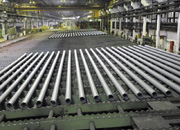 Threeway Steel is known as a professional supplier engaged in designing, manufacturing and distribution of a wide range of steel products with the headquarter located the central part of China – Hunan and six associated factories throughout China.
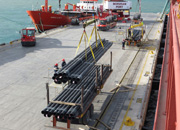 Threeway Steel is known as a professional supplier engaged in designing, manufacturing and distribution of a wide range of steel products with the headquarter located the central part of China – Hunan and six associated factories throughout China.