Pickling and passivation are distinct chemical surface treatments, and understanding their differences is crucial for seamless carbon steel pipes.
Instead of passivation, carbon steel relies on alternative corrosion protection methods such as oiling, painting, galvanizing, or internal lining, depending on the operating environment and required service life.
Therefore, pickling and passivation should not be treated as mandatory steps for every seamless carbon steel pipe. The correct approach is to evaluate the material, surface condition, application, and applicable standards before selecting a treatment.
Do Seamless Carbon Steel Pipes Require Pickling and Passivation?
Whether seamless carbon steel pipes require pickling and passivation depends on their surface condition, intended application, applicable standards, and subsequent processing. Unlike stainless steel pipes, carbon steel pipes do not normally require routine pickling and passivation as part of standard production.
Pickling – When Needed?
|
Question
|
Answer
|
|
Is pickling required for every carbon steel pipe?
|
No—only when rust, heavy mill scale, or surface contamination must be removed
|
|
When is pickling useful?
|
Before coating, painting, lining, or other surface treatment; to remove rust or scale
|
|
What are the risks?
|
Excessive acid, temperature, or time can attack the base metal and cause surface damage
|
Passivation – Is It Required?
|
Question
|
Answer
|
|
Is passivation required for carbon steel?
|
Generally no—passivation is primarily for stainless steel (chromium-rich passive film)
|
|
Does passivation provide corrosion resistance for carbon steel?
|
No—carbon steel does not have the same passive-film behavior
|
|
What protects carbon steel instead?
|
Painting, protective coatings, oiling, galvanizing, or lining
|
Factors That Determine Treatment
|
Factor
|
Consideration
|
|
Pipe surface condition
|
Rust, scale, oil, or contaminants may require cleaning
|
|
End application
|
Chemical, construction, energy, or water applications have different needs
|
|
Subsequent processing
|
Coating, painting, lining, or galvanizing may require surface prep
|
|
Service environment
|
Humidity, chemicals, temperature, and corrosive media affect protection
|
|
Applicable standards
|
Product standards, project specs, and customer requirements must be followed
|
After Pickling – What to Do
|
Step
|
Action
|
|
Rinsing
|
Thoroughly remove residual acid
|
|
Drying
|
Dry pipes promptly
|
|
Corrosion protection
|
Apply oiling, painting, coating, galvanizing, or lining without delay
|
Key Takeaway
Seamless carbon steel pipes do not normally require routine pickling and passivation.
-
Pickling may be appropriate when rust, mill scale, or surface contamination must be removed—especially before coating or surface treatment
-
Passivation is generally associated with stainless steel and is not a standard requirement for carbon steel
The best approach is to evaluate the pipe's surface condition, service environment, and project requirements before selecting a treatment—avoiding unnecessary processing while ensuring proper surface preparation and corrosion protection.
How to Properly Treat Seamless Carbon Steel Pipes
Proper surface treatment helps seamless carbon steel pipes achieve the required cleanliness, coating performance, and corrosion protection. However, there is no single method for every pipe—the appropriate process depends on surface condition, steel grade, application, and subsequent processing.
Treatment Process Steps
|
Step
|
Action
|
Key Points
|
|
1. Inspect Surface
|
Check for rust, mill scale, oil, grease, dirt, moisture, damage
|
Determines cleaning method; identifies defects before coating
|
|
2. Clean Oil, Grease, Dirt
|
Use suitable degreasing agents or cleaning methods
|
Removes contaminants that prevent uniform treatment
|
|
3. Pickling (When Necessary)
|
Use acid solution to remove rust, scale, oxide layers
|
Control concentration, temperature, time; excessive pickling damages surface
|
|
4. Mechanical Surface Prep
|
Abrasive blasting, shot blasting, or descaling
|
Alternative to pickling; creates surface profile for coating
|
|
5. Rinse & Dry
|
Thoroughly rinse after pickling; dry promptly
|
Prevents residual acid and flash rusting
|
|
6. Apply Corrosion Protection
|
Painting, coatings, oiling, galvanizing, or lining
|
Protects clean carbon steel from moisture and oxygen
|
|
7. Inspect After Treatment
|
Check for remaining rust, scale, contamination, roughness; verify coating thickness/adhesion if applicable
|
Confirms surface meets required condition
|
Pickling vs. Mechanical Cleaning
|
Method
|
When to Use
|
Advantage
|
|
Pickling
|
Rust, heavy mill scale, oxide layers
|
Chemical removal; reaches tight areas
|
|
Mechanical Cleaning
|
Surface profile needed before coating; avoid chemicals
|
No acid handling; creates anchor pattern for paint/coating
|
Post-Treatment Protection Options
|
Method
|
Best For
|
|
Painting
|
General corrosion protection
|
|
Protective coatings
|
Demanding environments
|
|
Oiling
|
Temporary storage/transport
|
|
Galvanizing
|
Long-term outdoor/marine exposure
|
|
Internal lining
|
Piping systems handling corrosive fluids
|
Key Takeaway
Proper treatment of seamless carbon steel pipes should follow a clear process:
Inspect → Clean → Remove Scale (if needed) → Rinse & Dry → Apply Protection → Inspect Again
-
Pickling is useful when chemical removal of rust or scale is required—but it is not mandatory for every pipe
-
Mechanical cleaning may be better for some applications
-
Passivation (as used for stainless steel) is generally not required for carbon steel
By selecting the treatment method according to the pipe's condition and final application, manufacturers and users can achieve the required surface quality while avoiding unnecessary processing and potential damage.
Common Mistakes When Treating Carbon Steel Pipes
Proper surface treatment is important for protecting seamless carbon steel pipes and preparing them for coating, painting, lining, galvanizing, or other applications. However, incorrect treatment can damage the steel surface, reduce coating performance, or cause premature corrosion. The following are common mistakes to avoid.
Common Mistakes & How to Avoid Them
|
Mistake
|
Why It's a Problem
|
Better Approach
|
|
Assuming Every Pipe Requires Pickling
|
Unnecessary chemical treatment adds cost and risk
|
Pickling only when rust, scale, or contamination must be removed
|
|
Applying Stainless Steel Passivation to Carbon Steel
|
Carbon steel does not form the same passive layer
|
Use painting, coating, oiling, or galvanizing instead
|
|
Using Excessive Acid Concentration
|
Attacks base metal; causes roughness or metal loss
|
Control concentration, temperature, and time per grade and condition
|
|
Leaving Pipes in Acid Too Long
|
Prolonged exposure removes base metal; creates defects
|
Establish and monitor suitable treatment time
|
|
Failing to Remove Oil and Grease First
|
Contaminants prevent uniform acid contact
|
Perform proper degreasing before pickling or surface prep
|
|
Inadequate Rinsing and Drying
|
Residual acid continues reacting; flash rust forms
|
Rinse thoroughly; dry promptly after treatment
|
|
Leaving Cleaned Pipes Unprotected
|
Clean carbon steel rusts quickly in moisture/humidity
|
Apply oiling, painting, coating, galvanizing, or lining promptly
|
|
Ignoring Standards & Project Requirements
|
Incorrect treatment; does not meet specifications
|
Confirm cleanliness, profile, coating, and testing requirements before processing
|
Prevention Checklist
|
Stage
|
Action
|
|
Before treatment
|
Inspect surface; confirm need for pickling; check project specs
|
|
Pre-cleaning
|
Degrease to remove oil and grease
|
|
Pickling (if needed)
|
Control acid concentration, temperature, and time
|
|
After pickling
|
Rinse thoroughly; dry promptly
|
|
Protection
|
Apply oiling, coating, painting, galvanizing, or lining
|
|
Final check
|
Verify surface condition meets requirements
|
Key Takeaway
The most common mistakes include:
-
Unnecessary pickling
-
Inappropriate passivation
-
Excessive acid concentration or treatment time
-
Inadequate pre-cleaning
-
Poor rinsing and drying
-
Insufficient corrosion protection
-
Ignoring project requirements
Our Seamless Carbon Steel Pipe Recommendations and Shipping Information
We supply premium seamless carbon steel pipes tailored for diverse industrial applications, including high-temperature service and oil and gas transportation. Our comprehensive product range includes popular grades such as ASTM A106, ASTM A53, and API 5L, available in various outside diameters and wall thicknesses to meet your exact project specifications.
Quality and reliability are our top priorities. We implement rigorous quality control, including chemical composition analysis, mechanical testing, hydrostatic testing, and nondestructive testing (NDT). Every order is backed by comprehensive Mill Test Certificates (MTCs) and full traceability documentation.
We also support downstream processing. If your project requires pickling, coating, or galvanizing, please specify your surface treatment requirements in advance so we can ensure the pipe's surface condition is perfectly optimized for your process.
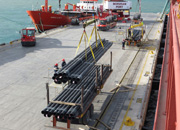
Beyond manufacturing, we provide end-to-end global shipping solutions. We understand that timely delivery is critical to maintaining construction schedules. Our logistics team manages secure bundling, protective packaging, and export documentation to prevent transit damage and ensure your equipment arrives safely and on time.
From technical consultation to final delivery, we provide a complete, reliable supply chain for your seamless carbon steel needs. To receive a customized quotation and efficient shipping plan, please contact us today with your required steel grade, pipe size, wall thickness, applicable standard, quantity, intended application, and delivery destination. Our expert team will recommend the optimal product configuration tailored to your project's exact needs.
Conclusion
Seamless carbon steel pipes do not typically require routine passivation. Unlike stainless steel, carbon steel lacks the chromium needed to form a stable passive layer. However, pickling remains a highly effective chemical cleaning method when pipes have developed mill scale, rust, or oxide layers during manufacturing or storage.
The decision to pickle should be based strictly on the pipe's actual condition and intended use. When pickling is necessary, strict process control is essential. Excessive acid exposure can damage the base metal, while inadequate treatment leaves harmful residues. Thorough rinsing and immediate drying are mandatory, as clean carbon steel is highly susceptible to flash rust.
For long-term corrosion protection, carbon steel relies on external methods such as painting, oiling, galvanizing, or internal lining, rather than passivation. The optimal protection method depends on the specific service environment, temperature, and expected lifespan.
FAQ:
1. Do seamless carbon steel pipes need pickling and passivation?
Not usually. Pickling may be needed to remove rust, mill scale, or surface contaminants, but conventional passivation is generally not required for carbon steel.
2. What is the purpose of pickling carbon steel pipes?
Pickling removes rust, oxide scale, and other surface contaminants, especially when the pipe needs further coating, painting, or surface treatment.
3. Can carbon steel pipes be passivated like stainless steel?
Generally, no. Carbon steel does not form the same chromium-rich passive layer as stainless steel, so stainless-steel passivation is not normally applicable.
4. What should be done after pickling carbon steel pipes?
The pipes should be thoroughly rinsed and dried, then protected against corrosion using a suitable method such as oiling, painting, coating, galvanizing, or lining.

 Threeway Steel is known as a professional supplier engaged in manufacturing and distributing a wide range of steel pipe, and our headquarter located the central part of China – Hunan and six associated factories throughout China.
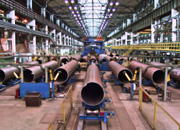 Threeway Steel is known as a professional supplier engaged in designing, manufacturing and distribution of a wide range of steel products with the headquarter located the central part of China – Hunan and six associated factories throughout China.
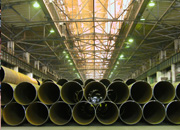 Threeway Steel is known as a professional supplier engaged in designing, manufacturing and distribution of a wide range of steel products with the headquarter located the central part of China – Hunan and six associated factories throughout China.
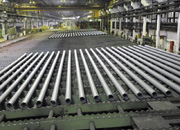 Threeway Steel is known as a professional supplier engaged in designing, manufacturing and distribution of a wide range of steel products with the headquarter located the central part of China – Hunan and six associated factories throughout China.
 Threeway Steel is known as a professional supplier engaged in designing, manufacturing and distribution of a wide range of steel products with the headquarter located the central part of China – Hunan and six associated factories throughout China.