HFW (High-Frequency Welded) and ERW (Electric Resistance Welded) steel pipes are essential components in Engineering, Procurement, and Construction (EPC) projects. Manufactured by forming steel strips and joining the edges using electrical resistance heating, these pipes offer excellent dimensional consistency, production efficiency, and cost-effectiveness. They are widely utilized in pipeline, water transmission, structural, and industrial applications.
However, selecting the right pipe requires more than just evaluating the price. EPC projects involve diverse operating conditions, and the chosen pipe must possess the appropriate diameter, wall thickness, material grade, and pressure performance for the specific service environment.
What Are HFW and ERW Steel Pipes?
HFW and ERW steel pipes are welded steel pipes widely used in oil and gas, water transmission, industrial, structural, and other engineering applications. Both are produced from steel strip or coil formed into a cylindrical shape and joined along the longitudinal seam using electrical resistance heating. Their efficient manufacturing processes provide consistent dimensions and competitive production costs.
HFW vs. ERW – Overview
|
Term
|
Full Name
|
Process
|
Key Features
|
|
HFW
|
High-Frequency Welded
|
High-frequency electrical energy heats strip edges; pressed together to form weld
|
Efficient continuous production; consistent weld quality with proper process control
|
|
ERW
|
Electric Resistance Welded
|
Electrical resistance generates heat at edges; pressure applied to form longitudinal seam
|
Wide size and grade range; good dimensional consistency
|
Key Differences
|
Aspect
|
HFW
|
ERW
|
|
Welding method
|
High-frequency electrical heating
|
Electrical resistance heating
|
|
Terminology
|
Emphasizes high-frequency process
|
Often used as general term for resistance-welded pipes
|
|
Overlap
|
HFW is a high-frequency form of ERW
|
ERW includes HFW in many contexts
|
|
Quality factors
|
Depends on process control, steel grade, heat treatment, inspection
|
Depends on material, forming, welding, and inspection
|
Common Applications
Why They Matter for EPC Projects
|
Advantage
|
Benefit
|
|
Efficient production
|
Large-volume supply
|
|
Consistent dimensions
|
Reliable fit and installation
|
|
Wide size availability
|
Flexibility for different designs
|
|
Competitive costs
|
Economical for many applications
|
Important Note for Buyers
Advantages and Disadvantages of HFW Steel Pipes
High-Frequency Welded (HFW) steel pipes are widely used in pipelines, industrial facilities, water transmission systems, and other EPC applications. Their continuous production and good dimensional consistency offer practical benefits for large-scale projects. However, they also have limitations that should be considered before procurement.
Advantages
|
Advantage
|
Explanation
|
Benefit for EPC Projects
|
|
Efficient Production
|
High-frequency welding operates continuously; large quantities produced quickly
|
Supports tight schedules and large material requirements
|
|
Good Dimensional Consistency
|
Consistent OD, wall thickness, and dimensions with proper process control
|
Simplifies transport, installation, and component connection
|
|
Reliable Weld Performance
|
Narrow longitudinal weld area; consistent welding conditions with modern equipment
|
Reliable performance when properly manufactured and inspected
|
|
Competitive Cost
|
More economical than seamless alternatives for large volumes
|
Better overall project economics
|
|
Wide Application Potential
|
Oil and gas pipelines, water transmission, industrial piping, structural use
|
Versatile for many EPC applications
|
Disadvantages
|
Disadvantage
|
Explanation
|
Impact
|
|
Weld Seam Requires Control
|
Weld area needs proper process control and inspection
|
Quality depends on manufacturing and testing
|
|
Application Limitations
|
May not be suitable for high-pressure, high-temperature, or sour-service
|
Critical applications may require specific grades or seamless pipe
|
|
Quality Varies by Supplier
|
Welding frequency, forming, heat input, and inspection affect performance
|
Buyer must evaluate supplier quality systems and track record
|
Comparison – HFW vs. Seamless Pipe
|
Aspect
|
HFW Pipe
|
Seamless Pipe
|
|
Weld seam
|
Present
|
None
|
|
Production efficiency
|
High
|
Lower
|
|
Cost
|
Lower
|
Higher
|
|
Dimensional consistency
|
Good
|
Good
|
|
High-pressure / critical service
|
Requires verification
|
Often preferred
|
|
Quality dependency
|
Supplier process control
|
Material and manufacturing
|
EPC Procurement Checklist
Advantages and Disadvantages of ERW Steel Pipes
Electric Resistance Welded (ERW) steel pipes are widely used in EPC projects because they combine efficient manufacturing, consistent dimensions, and competitive cost. They are found in water transmission, industrial piping, structural applications, and selected oil and gas projects. However, ERW pipes are not suitable for every service—selection should be based on operating conditions, standards, and project requirements.
Advantages
|
Advantage
|
Explanation
|
Benefit for EPC Projects
|
|
Efficient Manufacturing
|
Continuous production process; large quantities in short cycles
|
Supports tight schedules and large material requirements
|
|
Dimensional Consistency
|
Controlled OD, wall thickness, and length with modern equipment
|
Simplifies installation and connection with fittings and valves
|
|
Competitive Pricing
|
Economical production process
|
Significant cost savings for large-volume projects
|
|
Wide Product Availability
|
Various sizes, wall thicknesses, grades, and lengths
|
Flexibility for different engineering and construction needs
|
|
Reliable Mechanical Performance
|
Proper welding parameters, material control, and inspection
|
Consistent quality when correctly specified and tested
|
Disadvantages
ERW vs. Seamless – Quick Comparison
|
Aspect
|
ERW Pipe
|
Seamless Pipe
|
|
Weld seam
|
Present
|
None
|
|
Cost
|
Lower
|
Higher
|
|
Production efficiency
|
High
|
Lower
|
|
Availability
|
Wide range
|
Limited for some sizes
|
|
Critical service
|
Requires verification
|
Often preferred
|
EPC Procurement Checklist
HFW vs. ERW Steel Pipes: Which Is Better for EPC Projects?
When selecting welded steel pipes for an EPC project, contractors often compare HFW and ERW pipes. Both are widely used and can provide reliable performance when correctly produced and specified. However, there is no universal answer—the right choice depends on operating conditions, specifications, budget, and standards.
HFW vs. ERW – Key Comparison
|
Factor
|
HFW Steel Pipe
|
ERW Steel Pipe
|
|
Manufacturing
|
High-frequency welding process
|
Electric resistance welding
|
|
Production efficiency
|
High
|
High
|
|
Dimensional consistency
|
Good
|
Good
|
|
Cost
|
Competitive
|
Competitive
|
|
Weld quality
|
Depends on process control and inspection
|
Depends on process control and inspection
|
|
Typical applications
|
Pipelines, industrial
|
Water, structural, industrial, pipelines
|
|
High-pressure suitability
|
Depends on specification
|
Depends on specification
|
|
Selection basis
|
Project requirements
|
Project requirements
|
Application Guidance
|
Application
|
Recommended Consideration
|
|
Oil and gas pipelines
|
HFW or ERW if they meet pipeline spec, pressure rating, grade, and inspection
|
|
Water transmission / general industrial
|
ERW – practical cost, availability, and performance
|
|
High-pressure / high-temperature / critical
|
Detailed assessment required; may need specific process, extra weld inspection, or seamless pipe
|
EPC Evaluation Checklist
|
Factor
|
What to Check
|
|
Operating pressure
|
Verify pipe rating
|
|
Operating temperature
|
Confirm grade suitability
|
|
Fluid characteristics
|
Assess corrosion and chemical compatibility
|
|
Pipe diameter & wall thickness
|
Match project specs
|
|
Steel grade
|
Select based on mechanical requirements
|
|
Applicable standards
|
API, ASTM, ASME, EN, or project-specific
|
|
Weld inspection
|
NDT, hydrostatic, mechanical testing
|
|
Supplier capability
|
Manufacturing quality and track record
|
|
Cost & delivery
|
Price, transport, lead time
|
|
Documentation
|
MTC, inspection reports, traceability
|
Key Takeaway
Which is better: HFW or ERW? The answer depends on the specific EPC application.
-
Both can be effective and economical solutions when they meet specifications.
-
Do not choose based only on price or terminology.
-
Compare complete technical and commercial requirements.
The best choice is the pipe that provides the required safety, performance, quality, cost efficiency, and availability for the specific EPC project.
How to Select HFW or ERW Pipes for an EPC Project
Selecting the right HFW or ERW steel pipe is critical for EPC project success. Rather than focusing solely on price, procurement must be driven by a thorough technical and commercial assessment tailored to the specific application.
The selection process begins with evaluating actual operating conditions, including design pressure, temperature, fluid type, and corrosion risks. Contractors must confirm precise dimensions and material grades to ensure the pipe can withstand expected mechanical loads and installation stresses. When choosing between HFW and ERW, the decision should be based on whether the manufacturing process meets project specifications, applicable standards (such as API, ASTM, ASME, or EN), and required weld quality.
Because these pipes feature a longitudinal seam, rigorous quality control is essential. Buyers should establish clear inspection protocols, which may include hydrostatic, ultrasonic, and radiographic testing, and verify compliance through comprehensive material certificates and traceability records.
Furthermore, contractors must look beyond the initial purchase price and evaluate the total lifecycle cost, factoring in installation, maintenance, and potential downtime. Supplier capability is equally important; buyers should verify manufacturing capacity, quality-control procedures, and global shipping experience to prevent project delays.
Ultimately, by carefully assessing operating conditions, material specifications, weld quality, total cost, and supplier reliability, EPC contractors can select HFW or ERW pipes that ensure safe, efficient, and reliable project execution.
Conclusion:
Choosing the right steel pipe is a critical decision in any Engineering, Procurement, and Construction (EPC) project. While HFW (High-Frequency Welded) and ERW (Electric Resistance Welded) pipes offer efficient and economical solutions, the best choice depends on specific technical requirements rather than a simple comparison of pipe types.
HFW and ERW pipes excel in production efficiency and dimensional consistency, making them ideal for large-scale applications. However, they are not universally suitable for every environment. EPC teams must carefully evaluate design pressure, operating temperature, fluid characteristics, corrosion conditions, and mechanical loads before selection.
Weld quality and strict adherence to applicable standards (such as API, ASTM, ASME, or EN) are paramount. Buyers must verify that the manufacturing process includes rigorous inspections, such as hydrostatic, ultrasonic, and radiographic testing, and that comprehensive material certificates and traceability documents are provided.
FAQ:
FAQ 1: What is the difference between HFW and ERW steel pipes?
HFW uses high-frequency electrical energy for welding, while ERW is a broader term for electric resistance welded pipes. The terminology can overlap depending on the manufacturer and standard.
FAQ 2: Which is better for EPC projects, HFW or ERW?
Neither is universally better. The choice depends on pressure, temperature, fluid type, pipe size, material grade, applicable standards, and project requirements.
FAQ 3: Are HFW and ERW pipes suitable for high-pressure applications?
They can be suitable for certain high-pressure applications when the pipe meets the required standards, grade, wall thickness, weld quality, and inspection requirements.
FAQ 4: What should I check before buying HFW or ERW pipes?
Check the material grade, dimensions, applicable standards, weld quality, inspection certificates, supplier capability, quantity, and delivery schedule.
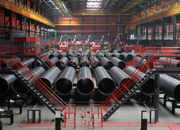 Threeway Steel is known as a professional supplier engaged in manufacturing and distributing a wide range of steel pipe, and our headquarter located the central part of China – Hunan and six associated factories throughout China.
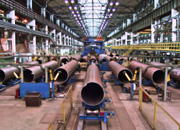 Threeway Steel is known as a professional supplier engaged in designing, manufacturing and distribution of a wide range of steel products with the headquarter located the central part of China – Hunan and six associated factories throughout China.
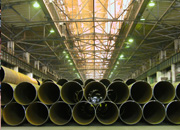 Threeway Steel is known as a professional supplier engaged in designing, manufacturing and distribution of a wide range of steel products with the headquarter located the central part of China – Hunan and six associated factories throughout China.
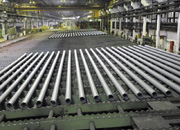 Threeway Steel is known as a professional supplier engaged in designing, manufacturing and distribution of a wide range of steel products with the headquarter located the central part of China – Hunan and six associated factories throughout China.
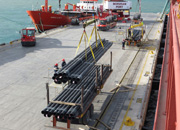 Threeway Steel is known as a professional supplier engaged in designing, manufacturing and distribution of a wide range of steel products with the headquarter located the central part of China – Hunan and six associated factories throughout China.