API steel pipes are essential components in the oil and gas industry, energy transportation, and infrastructure projects. Manufactured to strict American Petroleum Institute (API) standards, these pipes are engineered to withstand extreme pressures, temperature fluctuations, and corrosive environments.
The two primary categories include API 5L line pipes, designed for long-distance fluid and gas transportation, and API 5CT casing and tubing pipes, which provide structural support for oil and gas wells. Available in both seamless and welded configurations, API steel pipes undergo rigorous testing for chemical composition and mechanical properties to ensure unmatched safety and reliability.
Selecting the appropriate API steel pipe requires careful evaluation of operating pressure, service environment, dimensions, and material grades. Choosing the wrong product can compromise system integrity and increase operational risks.
What Are API Steel Pipes?
API steel pipes are manufactured according to American Petroleum Institute (API) standards—primarily used in oil and gas for pipeline transportation, drilling, and well construction. They meet strict requirements for chemical composition, mechanical properties, dimensions, and testing to ensure safety and reliability in high-pressure, harsh environments.
Key API Specifications
|
Specification
|
Application
|
|
API 5L
|
Pipeline transportation (oil, gas, water)
|
|
API 5CT
|
Oil well casing and tubing
|
Manufacturing Types
|
Type
|
Process
|
Advantages
|
|
Seamless
|
Pierced and rolled from solid billet—no weld seam
|
Excellent strength and pressure resistance
|
|
Welded (ERW, LSAW, SSAW)
|
Formed from plates/strips with welded seam
|
Cost-effective; suitable for large diameters
|
Quality Control
-
Chemical composition analysis, tensile/impact testing, hydrostatic testing, dimensional inspection, NDT (UT, RT).
Key Advantages
-
High strength, pressure resistance, temperature stability, corrosion resistance—widely used in pipelines, offshore platforms, drilling, petrochemical, and energy infrastructure.
Selection Factors: Application type, pressure, material grade, pipe size, wall thickness, and operating environment.
Types and Applications of API Steel Pipes
API steel pipes are divided into line pipes, casing pipes, and tubing pipes—each serving specific roles in oil and gas transportation and drilling operations.
|
Type
|
Standard
|
Grades
|
Applications
|
|
API Line Pipes
|
API 5L
|
Grade B, X42, X52, X60, X65, X70—seamless or welded (ERW, LSAW, SSAW)
|
Oil/gas transmission pipelines, natural gas systems, water pipelines, offshore/onshore networks, petrochemical transport
|
|
API Casing Pipes
|
API 5CT
|
Various grades, sizes, connection types
|
Oil/gas well construction, wellbore stability, offshore drilling, deep/complex drilling operations
|
|
API Tubing Pipes
|
API 5CT
|
Different size ranges and performance requirements
|
Oil/gas production wells, hydraulic fracturing, energy extraction—transports fluids from reservoir to surface
|
Key Considerations
|
Pipe Type
|
Primary Function
|
Key Requirements
|
|
Line Pipes
|
Fluid transportation
|
High strength, pressure resistance, durability
|
|
Casing Pipes
|
Well structural support
|
High pressure and stress resistance, corrosion protection
|
|
Tubing Pipes
|
Production fluid transport
|
Strength, corrosion resistance, continuous operation performance
|
Selection Factors
Application, operating pressure, temperature, corrosion environment, pipe diameter, wall thickness, and API grade.
How to Choose the Right API Steel Pipe?
Selecting the right API steel pipe ensures safety, efficiency, and long-term performance in oil and gas applications. Evaluate application, grade, manufacturing method, operating conditions, and supplier reliability.
Selection Guide
|
Factor
|
Key Considerations
|
Recommendation
|
|
Application
|
Long-distance transport → API 5L line pipes; Drilling support → API 5CT casing; Production → API 5CT tubing
|
Match pipe type to specific use
|
|
API Grade
|
Line pipe: Grade B, X42, X52, X60, X65, X70—higher grades = higher yield strength
|
Select grade based on pressure, length, temperature, environment
|
|
Manufacturing Method
|
Seamless (no weld—excellent pressure resistance); Welded—ERW, LSAW, SSAW (cost-effective, large diameters)
|
Choose based on project requirements, size, pressure, and budget
|
|
Quality Standards
|
Chemical analysis, tensile/impact testing, hydrostatic testing, dimensional inspection, NDT, surface inspection
|
Review MTC and compliance certificates
|
|
Operating Environment
|
Corrosion, pressure changes, temperature, chemical/seawater exposure
|
Select suitable materials, coatings, and corrosion-resistant solutions
|
|
Supplier Reliability
|
Manufacturing experience, API certifications, production capacity, inspection, customization, after-sales support
|
Choose experienced suppliers with proven quality
|
Summary
|
Priority
|
Recommended Action
|
|
High pressure/critical applications
|
Seamless API pipes
|
|
Large diameter/cost efficiency
|
Welded API pipes (ERW, LSAW, SSAW)
|
|
Harsh environments
|
Select corrosion-resistant materials + protective coatings
|
Our API Steel Pipe Solutions
Ensure the safety and efficiency of your energy projects with our premium API steel pipe solutions. We supply a comprehensive range of high-quality pipes tailored for the oil, gas, and petrochemical industries.
Our product lineup includes:
-
API 5L Line Pipes: Available in seamless and welded options (Grades B to X70) for reliable long-distance fluid and gas transportation.
-
API 5CT Casing & Tubing: Engineered for structural well support and efficient fluid extraction in demanding drilling and deep-well operations.
We also offer customized services, including special steel grades, heat treatment, threading, surface coatings, and third-party inspections to meet your exact project specifications. Every pipe undergoes strict quality control and testing to ensure full compliance with API and international standards.
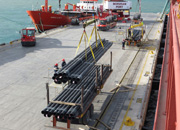
To serve global clients, we provide secure, export-standard packaging and flexible shipping solutions via sea, rail, or air. Supporting standard container loading, our experienced logistics team handles all necessary export documentation, including Mill Test Certificates (MTC) and API certificates, for seamless customs clearance. Partner with us for dependable API steel pipes, competitive factory pricing, and efficient global delivery. Contact us today for a customized quote!
API Steel Pipe Maintenance and Usage Tips
Maximizing the service life and safety of API steel pipes requires proper maintenance and correct handling. Even pipes designed for demanding environments need proactive care to prevent unexpected failures and reduce operational costs.
Key maintenance practices include:
-
Proper Storage: Store pipes in a clean, dry, and well-ventilated area. Keep them off the ground, properly supported to prevent deformation, and ensure threads are protected with caps.
-
Correct Installation: Inspect pipes before use and strictly follow industry standards for welding, alignment, and connection. Always perform required pressure and leakage tests prior to operation.
-
Regular Inspections: Conduct routine checks for surface corrosion, wall thickness, weld integrity, and thread conditions to identify and address potential issues early.
-
Corrosion Protection: Apply protective coatings and use cathodic protection systems, especially for underground or offshore pipelines exposed to harsh, corrosive environments.
-
Operating Conditions: Continuously monitor system parameters to ensure the pipes always operate within their designed pressure and temperature limits.
Conclusion
API steel pipes are the backbone of the oil and gas industry, providing unmatched strength and pressure resistance for demanding energy transportation and drilling operations. Selecting the correct product is critical for system safety and longevity.
Key API pipe types include:
-
API 5L Line Pipes: Essential for long-distance oil and natural gas transportation.
-
API 5CT Casing & Tubing: Designed for structural well support and efficient fluid extraction from underground reservoirs.
Choosing the right API steel pipe requires careful evaluation of operating pressure, temperature, corrosion environments, and material grades. Equally important is proper maintenance, including correct storage, careful installation, regular inspections, and effective corrosion protection to prevent unexpected failures.
FAQ:
FAQ 1: What is an API steel pipe?
Explain that API steel pipes are products manufactured according to API standards and are mainly used in oil, gas, and energy industries due to their strength and reliability.
FAQ 2: What is the difference between API 5L and API 5CT steel pipes?
Explain:
API 5L is mainly for line pipes used in transportation pipelines.
API 5CT is mainly for casing and tubing used in oil and gas wells.
FAQ 3: Are API steel pipes seamless or welded?
FAQ 4: How do I choose the right API steel pipe grade?
Discuss selection based on:
Pressure requirements
Pipeline conditions
Temperature
Corrosion environment
Mechanical performance requirements
FAQ 5: Why are API steel pipes widely used in the oil and gas industry?
Explain their advantages:
High strength
Strict quality standards
Excellent pressure resistance
Reliable performance in demanding environments
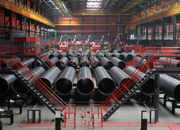 Threeway Steel is known as a professional supplier engaged in manufacturing and distributing a wide range of steel pipe, and our headquarter located the central part of China – Hunan and six associated factories throughout China.
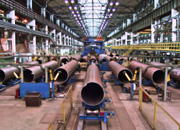 Threeway Steel is known as a professional supplier engaged in designing, manufacturing and distribution of a wide range of steel products with the headquarter located the central part of China – Hunan and six associated factories throughout China.
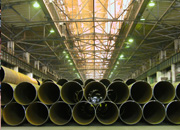 Threeway Steel is known as a professional supplier engaged in designing, manufacturing and distribution of a wide range of steel products with the headquarter located the central part of China – Hunan and six associated factories throughout China.
 Threeway Steel is known as a professional supplier engaged in designing, manufacturing and distribution of a wide range of steel products with the headquarter located the central part of China – Hunan and six associated factories throughout China.
 Threeway Steel is known as a professional supplier engaged in designing, manufacturing and distribution of a wide range of steel products with the headquarter located the central part of China – Hunan and six associated factories throughout China.