Strict quality control is vital to ensure durability. Reliable manufacturers implement rigorous inspections, including ultrasonic testing, eddy current testing, and hydrostatic testing, to prevent weld defects and dimensional deviations. Understanding this precise manufacturing process is essential for selecting the right steel pipe solutions for your project.
Overview of Medium-Thickness Thin-Walled Straight Seam High-Frequency Welded Pipe
Medium-thickness thin-walled straight seam high-frequency welded (HFW) pipes are manufactured by forming steel strips into cylindrical shapes and welding longitudinal edges using high-frequency current—without filler materials. This process delivers high production speed, stable weld quality, and mechanical properties close to the base steel.
Key Characteristics:
-
High dimensional accuracy: Precise OD, wall thickness, and length for easy installation
-
Efficient production: Continuous process enables consistent quality and short delivery cycles
-
Good mechanical performance: Proper control of raw materials, welding parameters, and heat treatment ensures strength and toughness
-
Cost-effective: Optimized material usage reduces manufacturing costs
Common Applications:
-
Oil and gas transportation
-
Water supply and municipal infrastructure
-
Construction frameworks and supports
-
Mechanical manufacturing and industrial systems
-
Energy and industrial facilities
HFW vs Seamless: Seamless pipes are preferred for extremely high-pressure/critical applications, while HFW pipes offer efficiency, dimensional accuracy, and cost savings for standard industrial uses.
Complete Production Process of Medium-Thickness Thin-Walled Straight Seam HFW Pipe
The production of HFW pipes involves multiple controlled stages—from raw material preparation to final inspection. Each stage affects dimensional accuracy, weld quality, mechanical performance, and reliability.
HFW Pipe Production Process
Key Quality Control Methods
Quality Control and Factors Affecting HFW Pipe Performance
HFW pipe performance depends on strict quality control throughout manufacturing—from raw material selection to final inspection. Key factors include material quality, forming accuracy, welding parameters, equipment condition, and inspection standards.
Quality Control Measures
Factors Affecting HFW Pipe Performance
Common Production Issues
Our Medium-Thickness Thin-Walled HFW Pipe Solutions and Global Shipping
We supply high-quality straight seam HFW pipes for oil and gas, water supply, construction, mechanical equipment, and industrial piping—backed by advanced manufacturing, strict quality control, and reliable logistics.
Product Range:
-
Straight seam HFW steel pipes
-
ERW steel pipes
-
HFW line pipes for fluid transmission
-
Structural welded pipes for frameworks
-
Custom solutions: tailored diameter, wall thickness, grade, length, surface treatment, and testing standards
Quality Advantages: High-grade steel coils, advanced HFW welding equipment, strict forming/welding monitoring, dimensional checks, weld testing, and compliance with international standards.
Global Shipping: Worldwide delivery via sea, air, rail, and multimodal options. Secure packaging, full export documentation, customs assistance, and shipment tracking ensure safe, timely delivery.
From selection to delivery, our team provides technical support. Choose us for reliable HFW pipes, competitive pricing, and dependable global logistics. Contact us today for product recommendations or a quotation.
Conclusion
Medium-thickness thin-walled straight seam HFW pipes are manufactured through a multi-stage process—raw material selection, strip preparation, forming, high-frequency welding, sizing, inspection, and finishing. Strict control at each stage ensures reliable performance, accurate dimensions, and strong weld quality.
Key Quality Factors: Steel coil quality, forming accuracy, welding parameters (speed, current, temperature, pressure), equipment condition, and inspection standards (UT, ECT, hydrostatic testing). Defects such as weld cracks, poor bonding, and dimensional deviations can be prevented through comprehensive quality management.
HFW Advantages: High efficiency, stable weld performance, dimensional accuracy, shorter production cycles, and cost-effectiveness for oil and gas, water, construction, and industrial applications.
Buyer Considerations: Choose experienced suppliers with advanced equipment, strict inspection, and customization capabilities to reduce project risks and extend service life.
FAQ:
FAQ 1: What is the production process of high-frequency welded pipes?
Explain the main steps, including steel coil preparation, forming, high-frequency welding, sizing, inspection, and finishing.
FAQ 2: What are the advantages of straight seam high-frequency welded pipes?
Discuss high production efficiency, dimensional accuracy, consistent weld quality, and cost advantages.
FAQ 3: What factors affect the quality of HFW welded pipes?
Explain the influence of raw materials, welding parameters, forming process, equipment, and inspection methods.
FAQ 4: What is the difference between HFW pipe and seamless steel pipe?
Compare manufacturing methods, weld structure, performance characteristics, applications, and cost considerations.
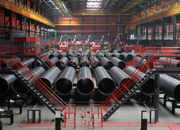 Threeway Steel is known as a professional supplier engaged in manufacturing and distributing a wide range of steel pipe, and our headquarter located the central part of China – Hunan and six associated factories throughout China.
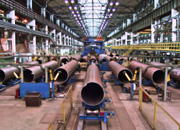 Threeway Steel is known as a professional supplier engaged in designing, manufacturing and distribution of a wide range of steel products with the headquarter located the central part of China – Hunan and six associated factories throughout China.
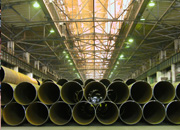 Threeway Steel is known as a professional supplier engaged in designing, manufacturing and distribution of a wide range of steel products with the headquarter located the central part of China – Hunan and six associated factories throughout China.
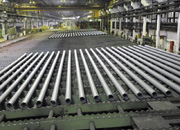 Threeway Steel is known as a professional supplier engaged in designing, manufacturing and distribution of a wide range of steel products with the headquarter located the central part of China – Hunan and six associated factories throughout China.
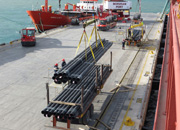 Threeway Steel is known as a professional supplier engaged in designing, manufacturing and distribution of a wide range of steel products with the headquarter located the central part of China – Hunan and six associated factories throughout China.