Structural tubes and fluid tubes are essential steel products with distinct purposes. Structural tubes provide strength, rigidity, and load-bearing support for construction, bridges, and machinery. Fluid tubes are specifically designed for transporting liquids and gases, requiring strict pressure resistance, leak prevention, and weld quality.
Choosing the wrong tube type can lead to safety risks, reduced efficiency, and increased maintenance costs. Structural tubes are evaluated for mechanical strength, while fluid tubes undergo rigorous pressure and sealing tests.
What Are Structural Tubes and Fluid Tubes?
Structural tubes and fluid tubes are two common steel tube types designed for different purposes. Understanding their differences helps engineers and buyers select the right product for specific applications.
Structural Tubes
Structural tubes provide support, stability, and load-bearing capacity. They withstand external forces, weight, bending, and mechanical stress. Available in round, square, and rectangular shapes (HSS), they are widely used in building frames, bridges, platforms, equipment supports, and machinery. Key characteristics include high strength, rigidity, dimensional accuracy, and weldability. Surface treatments like galvanizing improve corrosion resistance for outdoor use.
Fluid Tubes
Fluid tubes are designed for transporting liquids, gases, and other flowing materials under pressure. They prioritize pressure resistance, sealing performance, and internal surface quality. Commonly used in oil and gas, water supply, chemical processing, power generation, and hydraulic systems. Key requirements include uniform wall thickness, reliable weld quality, corrosion resistance, and hydrostatic/pressure testing to ensure safety.
Main Differences
|
Aspect
|
Structural Tubes
|
Fluid Tubes
|
|
Primary function
|
Support loads and maintain stability
|
Transport fluids safely under pressure
|
|
Key properties
|
Strength, rigidity, load capacity
|
Pressure resistance, sealing, leak prevention
|
|
Common applications
|
Building frames, bridges, machinery
|
Pipelines, hydraulic systems, process piping
|
|
Testing focus
|
Mechanical properties
|
Hydrostatic, pressure, and leak testin
g
|
Key Differences Between Structural Tubes and Fluid Tubes
Structural tubes and fluid tubes serve different purposes and have distinct design, manufacturing, and testing requirements. Choosing the correct type is essential for project safety, performance, and cost efficiency.
Comparison Overview
Selection Guide
How to Choose Between Structural Tube and Fluid Tube?
|
Selection Factor
|
Structural Tubes
|
Fluid Tubes
|
|
Primary Purpose
|
Provide support, stability, and load-bearing capacity.
|
Transport liquids, gases, and other flowing materials.
|
|
Typical Applications
|
Building frames, bridges, industrial structures, and mechanical frameworks.
|
Water pipelines, oil/gas systems, chemical processing, and hydraulic equipment.
|
|
Key Performance Focus
|
Strength, rigidity, and resistance to external forces (compression, bending, impact).
|
Pressure resistance, leak prevention, weld quality, and safe fluid transmission.
|
|
Operating Conditions
|
Evaluate expected loads, span requirements, and environmental exposure.
|
Assess internal pressure, temperature, fluid type, and corrosion risks.
|
|
Material Selection
|
Carbon steel for strength/cost; stainless/alloy for outdoor or heavy-duty support.
|
Carbon, stainless, or alloy steel based on fluid corrosiveness and system pressure.
|
|
Quality Standards
|
Focus on mechanical strength, dimensional accuracy, and structural performance.
|
Focus on pressure performance, weld integrity, and safety testing (e.g., hydrostatic).
|
Our Structural Tube and Fluid Tube Products and Global Shipping
We supply high-quality structural and fluid tubes for construction, engineering, industrial, and pipeline applications—backed by strict quality control and reliable logistics.
Structural Tubes: Carbon steel, round, square, rectangular (RHS/SHS) for building frames, bridges, machinery supports, and platforms. High strength, accurate dimensions, and excellent weldability.
Fluid Tubes: ERW, seamless, and carbon steel tubes for water, oil and gas pipelines, hydraulic systems, and chemical processing. Focused on pressure resistance, uniform wall thickness, and sealing reliability.
Surface Treatments: Galvanizing and anti-corrosion coatings available for outdoor, underground, and marine environments.
Quality Assurance: Dimensional checks, mechanical testing, surface inspection, and optional hydrostatic/NDT—complying with ASTM, API, and other standards.
Customization: Specific sizes, wall thicknesses, grades, coatings, and packaging available per project requirements.
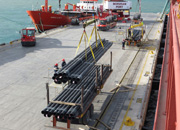
Global Shipping: Sea, air, rail, and multimodal options with secure bundling, waterproof wrapping, and full documentation support.
From selection to delivery, our team provides technical support. Choose us for durable tubes, competitive pricing, and dependable logistics.
Conclusion
Structural tubes and fluid tubes serve distinct purposes. Structural tubes provide load-bearing support for construction, bridges, machinery, and industrial platforms—focusing on strength, rigidity, and dimensional accuracy. Fluid tubes transport liquids and gases in water, oil and gas, chemical, and hydraulic systems—prioritizing pressure resistance, leak prevention, weld quality, and internal surface integrity.
Selection Factors: Consider application, environment, pressure/load conditions, material requirements, and service life. Using the correct tube type improves safety, reduces maintenance, and avoids performance issues.
Quality Matters: Reliable tubes require premium materials, advanced manufacturing, strict inspection, and compliance with industry standards (ASTM, API, etc.).
FAQ:
Q 1: What is the main difference between a structural tube and a fluid tube?
Explain that structural tubes are designed for load-bearing applications, while fluid tubes are designed for transporting liquids or gases under pressure.
Q 2: Can structural tubes be used for fluid transportation?
Explain why structural tubes are generally not recommended for pressure applications due to different design requirements, testing standards, and performance expectations.
Q 3: Are fluid tubes stronger than structural tubes?
Explain that strength depends on material, design, and application. Fluid tubes are optimized for pressure resistance, while structural tubes are optimized for mechanical loads.
Q 4: How do I choose the right steel tube for my project?
Explain that selection should consider application, pressure or load requirements, environment, material grade, standards, and supplier capabilities.
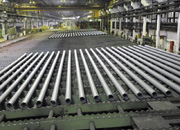
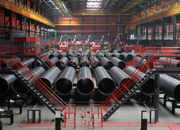 Threeway Steel is known as a professional supplier engaged in manufacturing and distributing a wide range of steel pipe, and our headquarter located the central part of China – Hunan and six associated factories throughout China.
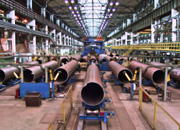 Threeway Steel is known as a professional supplier engaged in designing, manufacturing and distribution of a wide range of steel products with the headquarter located the central part of China – Hunan and six associated factories throughout China.
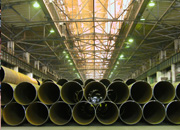 Threeway Steel is known as a professional supplier engaged in designing, manufacturing and distribution of a wide range of steel products with the headquarter located the central part of China – Hunan and six associated factories throughout China.
 Threeway Steel is known as a professional supplier engaged in designing, manufacturing and distribution of a wide range of steel products with the headquarter located the central part of China – Hunan and six associated factories throughout China.
 Threeway Steel is known as a professional supplier engaged in designing, manufacturing and distribution of a wide range of steel products with the headquarter located the central part of China – Hunan and six associated factories throughout China.