Carbon steel and stainless steel pipes are essential in modern industries, each offering distinct advantages. Carbon steel provides high strength, load-bearing capacity, and cost-effectiveness, making it ideal for large-scale infrastructure and high-pressure pipelines. However, it requires protective coatings in corrosive environments. Stainless steel, enriched with chromium, offers superior corrosion resistance, hygienic surfaces, and durability, making it perfect for chemical, marine, and food processing applications. While its initial cost is higher, its low maintenance and long lifespan provides excellent long-term value.
Overview of Carbon Steel Pipes and Their Advantages
|
Advantage Category
|
Key Features & Benefits
|
Typical Applications & Standards
|
|
High Strength & Durability
|
Withstands heavy loads, internal pressure, and mechanical stress; ensures long-term structural reliability.
|
High-pressure systems, boilers, and demanding industrial environments.
|
|
Cost-Effectiveness
|
Favorable performance-to-price ratio; abundant raw materials and mature manufacturing reduce overall project costs.
|
Large-scale engineering projects and extensive piping systems.
|
|
Weldability & Machinability
|
Easily cut, welded, bent, and fabricated to create customized piping solutions for various installation conditions.
|
Custom industrial needs and complex structural assemblies.
|
|
Wide Specifications
|
Available in diverse diameters, wall thicknesses, lengths, and steel grades to meet specific pressure and temperature ratings.
|
Compliance with international standards like API, ASTM, and EN.
|
|
Surface Protection
|
Corrosion resistance and service life can be significantly enhanced through appropriate protective coatings and treatments.
|
Corrosive environments requiring long-term dependable performance.
|
Overview of Stainless Steel Pipes and Their Advantages
Stainless steel pipes are high-performance products made from iron, chromium, nickel, and molybdenum. The chromium content forms a protective oxide layer, providing excellent corrosion resistance—making them ideal for demanding industries requiring long service life, hygiene, and reliability.
Common Grades
Types by Manufacturing Method
Key Advantages
Key Takeaway: Stainless steel pipes offer corrosion resistance, temperature tolerance, hygiene, and long-term value. Selecting the right grade and type—based on environmental and operational conditions—ensures reliable performance across industrial, marine, food, and chemical applications.
Carbon Steel Pipes vs Stainless Steel Pipes: Key Differences and Selection Guide
Carbon steel and stainless steel pipes serve different applications based on corrosion resistance, strength, cost, and operating environment. Choosing the right material ensures safety, efficiency, and long-term value.
Key Differences Overview
Selection Guide by Application
Key Selection Factors
Our Carbon Steel and Stainless Steel Pipe Products and Global Shipping
We supply a comprehensive range of high-quality carbon steel and stainless steel pipes for global industries, including oil and gas, construction, and chemical processing. Our extensive product lines feature seamless, ERW, SSAW, and LSAW carbon steel pipes, alongside premium 304 and 316 stainless steel pipes known for superior corrosion resistance.
Every product undergoes strict quality inspections, including hydrostatic and non-destructive testing, ensuring compliance with international standards. We also offer extensive customization options, including tailored sizes, steel grades, surface treatments, and protective packaging to meet specific project requirements.
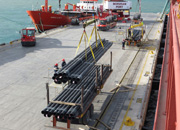
Backed by professional global shipping services, we provide flexible logistics solutions via sea, air, and rail. With flexible trade terms (FOB, CIF, EXW) and comprehensive export documentation support, we guarantee safe and efficient delivery worldwide. Choose us for reliable piping solutions and dependable service.
Maintenance and Service Life Considerations
Proper maintenance and correct material selection are essential for maximizing service life, reducing costs, and ensuring reliable performance of both carbon steel and stainless steel pipes.
Maintenance Comparison
Service Life Factors
Key Takeaway: Carbon steel pipes require active corrosion protection and frequent inspection, while stainless steel pipes offer lower maintenance but still need proper cleaning and grade selection.
Conclusion
Carbon steel and stainless steel pipes each offer unique advantages for industrial and engineering projects. Carbon steel provides high strength, cost-effectiveness, and weldability—ideal for oil and gas, construction, water systems, and heavy-duty applications. With proper coatings and maintenance, it delivers reliable performance in demanding conditions.
Stainless steel excels in corrosion resistance, high-temperature stability, hygiene, and long service life—making it suitable for food processing, pharmaceuticals, chemical plants, and marine environments. While initial costs are higher, reduced maintenance and extended durability offer long-term value.
Selection should consider: operating pressure, temperature, fluid composition, corrosion risks, environment, maintenance plans, and lifecycle costs—not just material price.
FAQ:
Q 1: Which is better, carbon steel pipes or stainless steel pipes?
Answer: Neither material is universally better. Carbon steel pipes are ideal for projects requiring high strength and cost efficiency, while stainless steel pipes are better suited for applications requiring superior corrosion resistance and long service life.
Q 2: Are stainless steel pipes more durable than carbon steel pipes?
Answer: SS steel pipes generally provide better corrosion resistance and may require less maintenance in corrosive environments. However, carbon steel pipes can also offer excellent durability when properly selected, protected, and maintained.
Q 3: Why are carbon steel pipes more widely used in industrial projects?
Answer: Carbon steel pipes are popular because they provide high strength, good weldability, wide availability, and lower cost, making them suitable for large-scale industrial and infrastructure applications.
Q 4: Can carbon steel and stainless steel pipes be customized?
Answer: Yes. Manufacturers can provide customized pipe sizes, wall thicknesses, grades, coatings, surface treatments, and packaging according to project requirements.

 Threeway Steel is known as a professional supplier engaged in manufacturing and distributing a wide range of steel pipe, and our headquarter located the central part of China – Hunan and six associated factories throughout China.
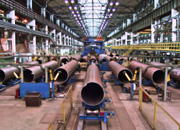 Threeway Steel is known as a professional supplier engaged in designing, manufacturing and distribution of a wide range of steel products with the headquarter located the central part of China – Hunan and six associated factories throughout China.
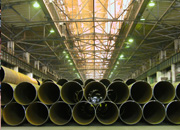 Threeway Steel is known as a professional supplier engaged in designing, manufacturing and distribution of a wide range of steel products with the headquarter located the central part of China – Hunan and six associated factories throughout China.
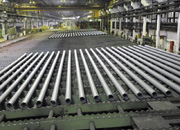 Threeway Steel is known as a professional supplier engaged in designing, manufacturing and distribution of a wide range of steel products with the headquarter located the central part of China – Hunan and six associated factories throughout China.
 Threeway Steel is known as a professional supplier engaged in designing, manufacturing and distribution of a wide range of steel products with the headquarter located the central part of China – Hunan and six associated factories throughout China.