EN 10219 and API 5L serve distinctly different engineering purposes and should not be treated as direct substitutes. EN 10219 covers cold-formed welded structural hollow sections, primarily used for load-bearing applications like building frames, bridges, and machinery. Common grades include S235JRH and S355J2H.
In contrast, API 5L specifies seamless and welded line pipes designed specifically for the oil and gas industry. It is engineered to safely transport fluids under high pressure, with grades such as X42, X52, and X65.
The key distinction lies in their intended application and testing requirements. While EN 10219 focuses on structural loads, dimensional accuracy, and cold-formed properties, API 5L emphasizes internal pressure, hydrostatic testing, and toughness for pipeline service. Selecting the correct standard requires evaluating the specific project needs, operating environment, and applicable design codes to ensure safety and compliance.
EN 10219 vs. API 5L: Key Differences
Although EN 10219 and API 5L both define requirements for steel pipe products, they are designed for different engineering purposes. EN 10219 mainly covers cold-formed welded structural hollow sections, while API 5L covers line pipe used for pipeline transportation in the petroleum and natural gas industries. Understanding these differences is essential when selecting the correct pipe for a project.
Comparison Table
Key Differences Summary
Which Standard Should You Choose?
Important Notes
Key Takeaway
The key difference between EN 10219 and API 5L is their engineering purpose:
Their grades, manufacturing requirements, testing procedures, and applications are not directly interchangeable. Selecting the correct standard from the beginning ensures the steel pipe meets the project's performance, safety, and certification requirements.
EN 10219 Steel Pipe Applications
EN 10219 steel pipe, more precisely cold-formed welded structural hollow sections, is primarily designed for structural applications. Unlike API 5L line pipe, which is intended for transporting oil and natural gas, EN 10219 products are mainly used where steel hollow sections must carry loads, provide structural support, or form part of a fabricated structure.
Applications Overview
Key Advantages for Structural Applications
Important Note – Not a Substitute for API 5L
Key Takeaway
EN 10219 steel pipe is mainly used in:
-
Construction – building frames, columns, beams
-
Industrial structures – warehouses, factories, platforms
-
Bridges & infrastructure – support structures, trusses
-
Machinery – equipment frames, machine bases
-
Towers & supports – columns, frameworks
-
Architectural structures – canopies, railings, partitions
The correct EN 10219 grade and section should always be selected according to the project's structural calculations, environmental conditions, applicable design standards, and fabrication requirements.
API 5L Steel Pipe Applications
API 5L steel pipe is primarily designed for line-pipe applications in the petroleum and natural gas industries. Unlike EN 10219, which focuses on cold-formed welded structural hollow sections, API 5L provides requirements for steel line pipe used to transport oil, natural gas, and other suitable fluids. Its combination of controlled material properties, manufacturing requirements, testing, and inspection makes it an important choice for pipeline projects.
Applications Overview
Common API 5L Product Requirements
Important Note – API 5L vs. EN 10219
Key Takeaway
API 5L steel pipe is widely used in:
-
Natural gas transmission – high-pressure pipelines
-
Crude oil pipelines – production to refineries
-
Petroleum product pipelines – refined products transport
-
Gathering systems – collection from wells
-
Pipeline connections – processing plants, stations
-
Onshore & offshore projects – demanding conditions
Proper selection of grade, PSL, dimensions, testing, and corrosion protection is essential for safe and reliable pipeline performance.
EN 10219 vs. API 5L: Which Steel Pipe Should You Choose?
Choosing between EN 10219 and API 5L steel pipe should begin with the intended application. Although both standards cover steel pipe products and specify material and manufacturing requirements, they serve different engineering purposes. EN 10219 is primarily intended for structural hollow sections, while API 5L is designed for line pipe used in pipeline transportation.
Selection Guide
When to Choose EN 10219
When to Choose API 5L
Key Differences
Important Considerations
Our EN 10219 and API 5L Steel Pipe Products and Shipping Services
We supply premium EN 10219 structural hollow sections and API 5L line pipes tailored for distinct engineering applications. EN 10219 (grades like S235, S275, S355) is ideal for load-bearing construction, while API 5L (Grades B to X65) is engineered for high-pressure oil and gas transportation.
Quality and compliance are paramount. We conduct rigorous inspections—including hydrostatic testing, NDT, and mechanical testing—and provide comprehensive Material Test Certificates (MTCs) to guarantee full adherence to both standards.
Beyond manufacturing, we provide end-to-end global shipping solutions. Our logistics team manages secure packaging and flexible transportation options (container and break-bulk freight) to prevent transit damage and ensure timely delivery.
To receive a customized product and shipping quotation, please contact us today with your required standard, grade, dimensions, testing requirements, quantity, and delivery destination. Our expert team will recommend the optimal steel pipe configuration tailored to your exact project needs.
How to Select Between EN 10219 and API 5L
Choosing between EN 10219 and API 5L steel pipe should start with the intended application. Although both standards define requirements for steel pipe products, they are designed for different engineering purposes. EN 10219 is mainly intended for structural hollow sections, while API 5L is designed for line pipe used in oil and natural gas transportation. Selecting the correct standard helps ensure that the pipe meets the project's performance, safety, testing, and compliance requirements.
Quick Decision Guide
Selection Steps
Final Selection Checklist
Conclusion
EN 10219 and API 5L steel pipes serve distinct engineering purposes and should never be treated as direct substitutes. EN 10219 covers cold-formed welded structural hollow sections (e.g., S355J2H) designed for load-bearing applications like building frames and bridges. In contrast, API 5L specifies seamless and welded line pipes (e.g., X52, X65) engineered specifically for high-pressure oil and gas transportation.
Proper material selection requires evaluating the specific project needs. Structural projects demand assessments of load-bearing capacities, while pipeline applications require strict adherence to design pressure, fracture toughness, and applicable pipeline codes. Rigorous quality control and testing are essential to guarantee compliance and safety.
FAQ:
1. What is the main difference between EN 10219 and API 5L?
EN 10219 is mainly for structural hollow sections, while API 5L is designed for line pipe used to transport oil and natural gas.
2. Can EN 10219 pipe replace API 5L pipe?
Generally, no. They have different applications, manufacturing requirements, testing, and certification. Substitution should only be made with engineering approval.
3. Which is better for natural gas pipelines, EN 10219 or API 5L?
API 5L is generally the appropriate choice when the project requires line pipe for natural gas transportation.
4. What are common EN 10219 grades?
Common grades include S235JRH, S275JRH, and S355J2H, depending on structural design requirements.
5. What are common API 5L grades?
Common API 5L grades include Grade B, X42, X52, X60, and X65. The appropriate grade depends on pipeline design requirements.
6. How should I choose between EN 10219 and API 5L?
Start with the application. Choose EN 10219 for structural applications and API 5L for pipeline transportation when specified. Then confirm grade, dimensions, service conditions, testing, and applicable codes.
 Threeway Steel is known as a professional supplier engaged in manufacturing and distributing a wide range of steel pipe, and our headquarter located the central part of China – Hunan and six associated factories throughout China.
 Threeway Steel is known as a professional supplier engaged in designing, manufacturing and distribution of a wide range of steel products with the headquarter located the central part of China – Hunan and six associated factories throughout China.
 Threeway Steel is known as a professional supplier engaged in designing, manufacturing and distribution of a wide range of steel products with the headquarter located the central part of China – Hunan and six associated factories throughout China.
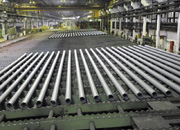 Threeway Steel is known as a professional supplier engaged in designing, manufacturing and distribution of a wide range of steel products with the headquarter located the central part of China – Hunan and six associated factories throughout China.
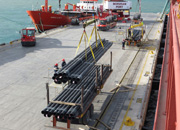 Threeway Steel is known as a professional supplier engaged in designing, manufacturing and distribution of a wide range of steel products with the headquarter located the central part of China – Hunan and six associated factories throughout China.