Rust prevention is essential for maintaining the strength, durability, and service life of
spiral steel pipes. Without adequate protection, exposure to moisture, oxygen, and aggressive chemicals can cause severe corrosion, leading to wall thinning, pitting, and potential structural failure in pressure pipelines.
Effective rust prevention goes beyond simply applying a coating. It requires selecting the right protection system—such as 3PE, FBE, or internal linings—based on specific soil conditions, operating temperatures, and transported fluids. Equally important is rigorous surface preparation prior to coating, as well as careful handling during storage and transportation to prevent premature damage.
What Causes Spiral Steel Pipes to Rust?
Spiral steel pipes are commonly made from carbon steel, which can corrode when exposed to moisture and oxygen. Rust is the visible result of an electrochemical corrosion process that gradually changes the steel surface. Understanding what causes spiral steel pipes to rust is important for selecting suitable anti-corrosion treatments and preventing premature damage.
Causes of Rust
Key Prevention Points
Key Takeaway
Spiral steel pipes can rust because of:
-
Moisture and oxygen – basic corrosion
-
Humidity and temperature – condensation
-
Soil and underground – environmental factors
-
Saltwater and marine – chloride attack
-
Corrosive chemicals – aggressive substances
-
Internal fluids – transported medium
-
Poor surface preparation – coating adhesion failure
-
Transport and handling damage – coating removal
-
Improper storage – prolonged exposure
Effective rust prevention should address the entire service cycle—from raw material and surface preparation to coating, transportation, storage, installation, and maintenance. Understanding the specific corrosion environment is the first step toward selecting the right protection method.
What Are the Main Rust Prevention Methods for Spiral Steel Pipes?
Rust prevention is essential for extending the service life of spiral steel pipes and maintaining their performance in different environments. The appropriate method depends on where the pipe will be installed, what medium it will transport, the operating temperature, expected service life, and applicable project standards. Common approaches include external coatings, internal linings, cathodic protection, and temporary protective treatments.
Rust Prevention Methods
Selection Factors
Key Takeaway
The main rust prevention methods include:
-
3PE/3LPE – external barrier for buried pipelines
-
FBE – epoxy coating for various applications
-
Liquid epoxy & other coatings – above-ground and field repairs
-
Internal linings – protection from transported fluids
-
Cathodic protection – electrochemical control for buried/underwater
-
Temporary prevention – short-term storage and transport
-
Surface preparation – critical for coating adhesion
-
Inspection & maintenance – ongoing protection
Combining suitable protection methods with proper surface preparation, inspection, and maintenance can significantly reduce corrosion risks and help spiral steel pipes achieve a longer and more reliable service life.
How to Choose the Right Rust Prevention Treatment?
Choosing the right rust prevention treatment for spiral steel pipes is important for maintaining their strength, durability, and service life. There is no single corrosion protection method that works equally well in every environment. The treatment should be selected according to the pipe's installation conditions, transported medium, operating temperature, expected service life, and applicable standards.
Selection Factors
Quick Selection Checklist
Key Takeaway
The right rust prevention treatment should be selected by evaluating:
-
Installation environment – exposure conditions
-
Transported medium – corrosion risk
-
Operating temperature – coating limits
-
Service life – durability needs
-
Surface preparation – adhesion quality
-
Applicable standards – compliance
-
Mechanical exposure – handling and installation
-
Maintenance requirements – access and frequency
-
Total cost – lifecycle value
By matching the protection system to actual pipeline conditions, manufacturers and buyers can reduce corrosion risks and improve the long-term reliability of spiral steel pipes.
Our Spiral Steel Pipe Products & Rust Prevention and Shipping Solutions
We supply premium spiral steel pipes tailored for water transmission, oil and gas, and infrastructure projects. We customize large-diameter pipes with advanced anti-corrosion treatments, including 3PE and FBE coatings, to withstand harsh underground and marine environments.
Quality and precision are paramount. We enforce rigorous surface preparation and comprehensive inspections—such as NDT, hydrostatic testing, and holiday detection—backed by full material certificates to guarantee coating integrity and structural safety.
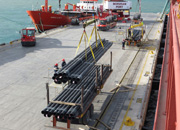
Beyond manufacturing, we provide end-to-end global shipping solutions. We understand that coated pipes require careful handling. Our logistics team manages secure bundling and flexible transportation options (container, bulk, breakbulk) to prevent transit damage and ensure timely delivery.
From technical consultation to final delivery, we provide a complete, reliable supply chain. To receive a customized product and shipping quotation, please contact us today with your required pipe dimensions, steel grade, coating type, quantity, and delivery destination. Our expert team will recommend the optimal spiral steel pipe configuration tailored to your exact needs.
How to Maintain Rust Prevention After Installation?
Installing a suitable anti-corrosion system is only the first step in protecting spiral steel pipes. Over time, coatings can deteriorate because of weather, soil movement, mechanical damage, chemical exposure, and normal operating conditions. Regular inspection and maintenance are therefore important for preserving corrosion protection and extending the service life of the pipeline.
Post-Installation Maintenance Practices
Key Maintenance Areas
Key Takeaway
Maintaining rust prevention after installation requires:
-
Regular inspection – identify problems early
-
Timely coating repair – prevent corrosion entry points
-
Moisture control – reduce water exposure
-
Cathodic protection monitoring – maintain system performance
-
Internal corrosion management – address transported medium
-
Proper record keeping – track condition over time
A well-designed maintenance program can identify corrosion risks before they become serious problems. By combining a suitable initial protection system with regular monitoring and timely maintenance, spiral steel pipes can maintain better corrosion resistance and provide reliable long-term service.
Conclusion:
Choosing the right rust prevention method is critical for extending the service life of spiral steel pipes. Because corrosion risks vary significantly across water transmission, oil and gas, and marine applications, there is no universal solution.
The optimal protection system must be tailored to the specific installation environment and transported medium. Common external solutions include 3PE and FBE coatings, while internal linings protect against aggressive fluids. Equally important is rigorous surface preparation, which ensures strong coating adhesion and long-term durability. For harsh underground or underwater conditions, combining coatings with cathodic protection offers maximum security.
FAQ:
1. What is the best rust prevention method for spiral steel pipes?
There is no single best method. 3PE/3LPE, FBE, epoxy coatings, internal linings, and cathodic protection should be selected based on the application and environment.
2. How can spiral steel pipes be protected from underground corrosion?
A suitable external coating, such as 3PE/3LPE or FBE, can provide protection. Cathodic protection may also be used for demanding underground applications.
3. Do spiral steel pipes need internal corrosion protection?
They may, especially when transporting corrosive fluids. Internal epoxy coatings or suitable linings can help protect the pipe from internal corrosion.
4. How often should corrosion protection be inspected?
Inspection frequency depends on the installation environment and project requirements. Pipes in highly corrosive environments generally require more frequent monitoring.
5. Can damaged anti-corrosion coatings be repaired?
Yes. Damaged areas should be cleaned, prepared, and repaired using a compatible coating system according to the applicable repair procedure.

 Threeway Steel is known as a professional supplier engaged in manufacturing and distributing a wide range of steel pipe, and our headquarter located the central part of China – Hunan and six associated factories throughout China.
 Threeway Steel is known as a professional supplier engaged in designing, manufacturing and distribution of a wide range of steel products with the headquarter located the central part of China – Hunan and six associated factories throughout China.
 Threeway Steel is known as a professional supplier engaged in designing, manufacturing and distribution of a wide range of steel products with the headquarter located the central part of China – Hunan and six associated factories throughout China.
 Threeway Steel is known as a professional supplier engaged in designing, manufacturing and distribution of a wide range of steel products with the headquarter located the central part of China – Hunan and six associated factories throughout China.
 Threeway Steel is known as a professional supplier engaged in designing, manufacturing and distribution of a wide range of steel products with the headquarter located the central part of China – Hunan and six associated factories throughout China.