Galvanized square and rectangular tubes combine the structural strength of steel with the corrosion resistance of a zinc coating. Their hollow geometric profiles offer an excellent balance of strength and weight, making them highly efficient for structural frames, fencing, railings, and industrial equipment.
The zinc layer acts as a protective barrier against moisture and atmospheric corrosion, while also providing sacrificial protection to prevent rust. Available in both hot-dip and pre-galvanized options, square tubes offer symmetrical strength, whereas rectangular tubes are ideal for directional load-bearing applications. Their flat surfaces also simplify fabrication processes like cutting, welding, and bolting.
What Are Galvanized Square and Rectangular Tubes?
Galvanized square and rectangular tubes are hollow steel sections with a protective zinc coating applied to their surfaces. They are designed to provide a combination of structural strength, corrosion resistance, and fabrication flexibility. Compared with solid steel sections, their hollow design can reduce material use and weight while still providing useful load-bearing performance.
Basic Structure & Characteristics
Key Characteristics
How Are They Galvanized?
Selection Factors
Important Note
Key Takeaway
Galvanized square and rectangular tubes provide a practical combination of structural performance and corrosion protection.
-
Square tubes – equal sides, balanced properties
-
Rectangular tubes – different dimensions, directional loading
-
Galvanizing – hot-dip or pre-galvanized per environment
Understanding profile, manufacturing process, and coating characteristics helps select the right tube for specific construction or industrial applications.
Applications of Galvanized Tubes in Construction
Galvanized square and rectangular tubes are widely used in construction because they offer a practical combination of structural strength, corrosion protection, and fabrication flexibility. Their hollow profiles provide efficient structural performance, while the zinc coating helps protect the steel from moisture and atmospheric corrosion. These characteristics make galvanized tubes suitable for both indoor and outdoor construction projects.
Applications Overview
Why Galvanized Tubes Are Suitable for Construction
Selection Factors
Key Takeaway
Galvanized square and rectangular tubes provide a versatile solution for many construction projects:
-
Structural frames – supports and frames
-
Fencing, gates, railings – barriers and safety
-
Scaffolding – temporary structures
-
Canopies – outdoor frameworks
-
Handrails – safety structures
-
Equipment frames – racks and storage
When correctly specified and installed, they support durable structures while helping reduce corrosion-related maintenance.
Industrial Applications of Galvanized Square and Rectangular Tubes
Galvanized square and rectangular tubes are widely used in industrial applications where strength, corrosion protection, and fabrication flexibility are required. Their hollow profiles provide efficient structural performance, while the zinc coating helps protect the steel surface from moisture and atmospheric corrosion. These characteristics make galvanized tubes suitable for equipment supports, industrial structures, agricultural facilities, infrastructure, and other fabricated components.
Applications Overview
Why Use Galvanized Tubes in Industry?
Important Note
Key Takeaway
Galvanized square and rectangular tubes provide a versatile material solution for industrial structures and fabricated components:
-
Equipment frames & supports – machinery and workstations
-
Safety structures – guardrails, barriers, platforms
-
Agricultural applications – greenhouses, livestock, irrigation
-
Transportation & infrastructure – road barriers, sign supports
-
Storage systems – racks, material-handling frames
-
Fabrication projects – machine guards, carts, enclosures
When correctly specified, installed, and maintained, they offer a useful balance of strength, corrosion resistance, and long-term durability.
Advantages of Galvanized Square and Rectangular Tubes
Galvanized square and rectangular tubes are widely used in construction, industry, agriculture, and infrastructure because they combine the structural properties of steel with the corrosion protection of zinc. Their hollow profiles also provide efficient use of material, making them practical for many load-bearing and fabrication applications. The following are some of their main advantages.
Key Advantages
Quick Reference – Square vs. Rectangular
Key Takeaway
The main advantages of galvanized square and rectangular tubes include:
-
Corrosion resistance – zinc protection
-
Structural strength – efficient hollow sections
-
Durability – long service life
-
Low maintenance – reduced surface treatment
-
Fabrication flexibility – easy processing
-
Versatile applications – wide range of uses
-
Good lifecycle value – cost-effective over time
Recommended Galvanized Square and Rectangular Tubes
We supply premium hot-dip and pre-galvanized square and rectangular tubes, engineered to provide exceptional strength and corrosion resistance for construction and industrial applications. Available in various dimensions and steel grades, our tubes are ideal for structural frames, fencing, and equipment supports.
Quality and customization are at the core of our services. We manufacture tubes to exact specifications and provide comprehensive material certificates to guarantee compliance with international standards.
Beyond manufacturing, we provide end-to-end global shipping solutions. We understand that timely delivery is critical to maintaining project schedules. Our logistics team manages secure bundling and flexible transportation options—including sea, air, and express freight—to prevent transit damage and ensure your tubes arrive safely and on time.
From technical consultation to final delivery, we provide a complete, reliable supply chain. To receive a customized product and shipping quotation, please contact us today with your required tube shape, dimensions, steel grade, quantity, and delivery destination. Our expert team will recommend the optimal galvanized tube configuration tailored to your project's exact needs.
How to Choose the Right Galvanized Square or Rectangular Tube
Choosing the right galvanized square or rectangular tube requires more than selecting a convenient size. The tube should match the project's structural, environmental, fabrication, and installation requirements. Factors such as profile, dimensions, wall thickness, steel grade, zinc coating, load conditions, and applicable standards should be evaluated before purchasing.
Selection Factors
Quick Selection Guide
Key Takeaway
Selecting the right galvanized square or rectangular tube requires consideration of:
-
Profile – square or rectangular
-
Dimensions – width, height, wall thickness
-
Steel grade – mechanical properties
-
Zinc coating – corrosion protection
-
Environmental conditions – exposure level
-
Connection method – fabrication and assembly
-
Standards – compliance and quality
-
Delivery – availability and logistics
Matching these factors to the actual project ensures reliable performance, efficient fabrication, and better long-term value.
Conclusion
Galvanized square and rectangular tubes offer the perfect balance of structural strength and corrosion resistance, making them ideal for construction, industrial, and agricultural applications. The zinc coating provides essential protection against rust, ensuring long-term durability for fencing, frames, and equipment supports.
However, proper selection is critical. Buyers must evaluate dimensions, wall thickness, steel grade, and environmental conditions to ensure the tubes meet specific load and exposure requirements. Careful installation and regular maintenance further extend service life.
FAQ:
1. What are galvanized square and rectangular tubes used for?
They are commonly used for structural frames, fencing, gates, handrails, scaffolding, equipment supports, agricultural structures, storage racks, and industrial fabrication.
2. What are the advantages of galvanized square and rectangular tubes?
Their main advantages include corrosion resistance, good strength, durability, low maintenance, easy fabrication, and suitability for many indoor and outdoor applications.
3. What is the difference between galvanized square and rectangular tubes?
Square tubes have equal width and height, while rectangular tubes have different width and height dimensions. The choice depends on structural, space, and design requirements.
4. Are galvanized square and rectangular tubes suitable for outdoor use?
Yes. Their zinc coating provides protection against many atmospheric conditions, making them suitable for numerous outdoor applications. The coating specification should match the environment.
5. How do I choose the right galvanized tube?
Consider the tube shape, dimensions, wall thickness, steel grade, zinc coating, load requirements, operating environment, connection method, and applicable standards.
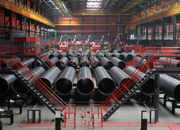 Threeway Steel is known as a professional supplier engaged in manufacturing and distributing a wide range of steel pipe, and our headquarter located the central part of China – Hunan and six associated factories throughout China.
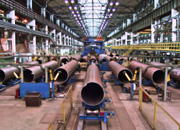 Threeway Steel is known as a professional supplier engaged in designing, manufacturing and distribution of a wide range of steel products with the headquarter located the central part of China – Hunan and six associated factories throughout China.
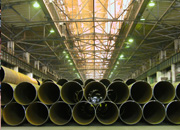 Threeway Steel is known as a professional supplier engaged in designing, manufacturing and distribution of a wide range of steel products with the headquarter located the central part of China – Hunan and six associated factories throughout China.
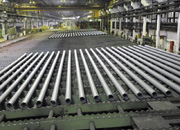 Threeway Steel is known as a professional supplier engaged in designing, manufacturing and distribution of a wide range of steel products with the headquarter located the central part of China – Hunan and six associated factories throughout China.
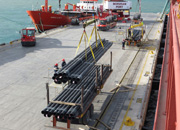 Threeway Steel is known as a professional supplier engaged in designing, manufacturing and distribution of a wide range of steel products with the headquarter located the central part of China – Hunan and six associated factories throughout China.