Although
mechanical and structural tubing may look similar, they serve distinctly different purposes and should not be treated as interchangeable.
Mechanical tubing is engineered for manufactured components and machinery. It is produced to strict dimensional tolerances and consistent material properties, making it ideal for applications requiring precision machining, forming, and fabrication.
Conversely, structural tubing (often referred to as Hollow Structural Sections or HSS) is designed primarily for load-bearing applications. It is used in construction, bridges, and infrastructure where high strength, stability, and adherence to structural standards are paramount.
Choosing the wrong type can lead to fabrication difficulties, structural failure, or unnecessary costs. When selecting steel tubing, buyers must evaluate the specific application, required strength, dimensional tolerances, steel grade, and applicable industry standards.
Mechanical Tubing vs. Structural Tubing: What’s the Difference?
Mechanical tubing and structural tubing are both widely used steel products, and they can have similar shapes and dimensions. However, their intended purposes, specifications, and performance requirements can be different. Understanding these differences helps buyers select the right product for machinery, fabrication, construction, and other applications.
Key Differences
Specification Priorities
Applications Overview
Important Note
Key Takeaway
The difference between mechanical and structural tubing is mainly related to purpose and specification requirements, rather than appearance alone:
Before purchasing, check the application, dimensions, wall thickness, steel grade, applicable standard, fabrication requirements, and required performance. If unsure, provide project specifications to a qualified steel supplier or engineer for correct selection.
How to Choose the Right Tubing for Your Application
Choosing between mechanical tubing and structural tubing should start with the application, not the tube's appearance or price. Both types are available in various shapes and sizes, but their specifications and intended uses can be different. A systematic approach can help buyers select tubing that provides the required performance while avoiding unnecessary material and processing costs.
Selection Factors
Quick Selection Guide
Comparison Summary
Key Takeaway
The right tubing should match the:
-
Application – machinery/equipment vs. structural
-
Strength requirements – loads and performance
-
Dimensions and tolerances – fit and processing
-
Steel grade and standards – compliance
-
Fabrication requirements – processing needs
-
Total cost – material + logistics + installation
Mechanical Tubing or Structural Tubing? Quick Selection Guide
Mechanical tubing and structural tubing can have similar round, square, or rectangular shapes, but they are designed for different purposes. Choosing the right one depends on how the tubing will be used, what performance is required, and which standards the project specifies.
Quick Selection Guide
Selection Factors
Decision Checklist
Key Takeaway
A simple rule is useful:
However, the final decision should always be based on the specific:
-
Application – use and function
-
Strength requirements – loads and performance
-
Dimensions and tolerances – fit and processing
-
Steel grade and standards – compliance
-
Fabrication process – cutting, machining, welding
-
Budget – total project cost
Our Mechanical and Structural Tubing Products and Shipping Services
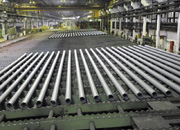
We supply premium mechanical and structural steel tubing engineered for manufacturing, construction, and industrial applications. Available in round, square, and rectangular sections, our tubing is tailored to meet precise dimensional tolerances and heavy load-bearing requirements.
Quality and customization are at the core of our services. We manufacture tubing to exact specifications and offer extensive processing options, including custom cutting and bundling. Rigorous quality inspections and comprehensive material certificates are provided to guarantee compliance with your project standards.
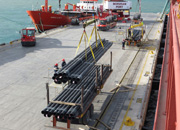
Beyond manufacturing, we provide end-to-end global shipping solutions. We understand that timely delivery is critical to maintaining project schedules. Our logistics team manages secure bundling and flexible transportation options—including container and breakbulk shipping—to prevent transit damage and ensure your tubing arrives safely and on time.
From technical consultation to final delivery, we provide a complete, reliable supply chain. To receive a customized product and shipping quotation, please contact us today with your required tubing type, dimensions, steel grade, quantity, and delivery destination. Our expert team will recommend the optimal steel tubing configuration tailored to your project's exact needs.
Common Mistakes When Choosing Tubing
Although mechanical and structural tubing may look identical, selecting the right product requires focusing on performance rather than appearance. Mechanical tubing is engineered for precision manufacturing, machinery, and automotive components where tight dimensional tolerances and machinability are critical. Conversely, structural tubing is designed for load-bearing construction applications, prioritizing strength, stability, and adherence to structural standards.
FAQ:
FAQ 1: What is the difference between mechanical tubing and structural tubing?
Mechanical tubing is generally designed for machinery, equipment, and precision components, while structural tubing is mainly used for load-bearing structures such as frames, columns, and supports.
FAQ 2: Can mechanical tubing be used for structural applications?
Only if its steel grade, dimensions, mechanical properties, and applicable standard meet the project's structural requirements. It should not be substituted without proper verification.
FAQ 3: Is structural tubing stronger than mechanical tubing?
Not necessarily. Strength depends on the specific steel grade, wall thickness, dimensions, and manufacturing specification. Neither category is automatically stronger.
FAQ 4: How do I choose between mechanical and structural tubing?
Start with the intended application, then consider load requirements, dimensions, tolerances, steel grade, applicable standards, fabrication needs, and total cost.
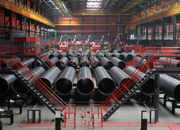 Threeway Steel is known as a professional supplier engaged in manufacturing and distributing a wide range of steel pipe, and our headquarter located the central part of China – Hunan and six associated factories throughout China.
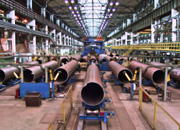 Threeway Steel is known as a professional supplier engaged in designing, manufacturing and distribution of a wide range of steel products with the headquarter located the central part of China – Hunan and six associated factories throughout China.
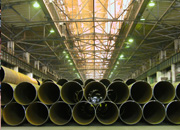 Threeway Steel is known as a professional supplier engaged in designing, manufacturing and distribution of a wide range of steel products with the headquarter located the central part of China – Hunan and six associated factories throughout China.
 Threeway Steel is known as a professional supplier engaged in designing, manufacturing and distribution of a wide range of steel products with the headquarter located the central part of China – Hunan and six associated factories throughout China.
 Threeway Steel is known as a professional supplier engaged in designing, manufacturing and distribution of a wide range of steel products with the headquarter located the central part of China – Hunan and six associated factories throughout China.