BS EN 10253 is a comprehensive European standard series for seamless and welded butt-welding pipe fittings, including elbows, tees, reducers, and caps. Widely used in oil and gas, chemical, and power generation industries, it ensures reliable, permanent connections for fluid and gas transmission.
Rather than a single specification, BS EN 10253 consists of multiple parts addressing different materials and inspection requirements. Key parts include carbon steel, non-alloy and ferritic alloy steel, and austenitic or duplex stainless steel fittings. The standard also distinguishes between Type A (reduced pressure factor) and Type B (full service pressure) fittings.
Compliance with BS EN 10253 guarantees consistency in dimensions, mechanical properties, and testing. However, selecting the correct fitting requires evaluating the specific standard part, material grade, wall thickness, and operating conditions like pressure and temperature. Proper specification ensures a safe and durable piping system.
What Are Butt-Welded Pipe Fittings?
Butt-welded pipe fittings are components welded directly to pipe ends – creating strong, permanent connections. They are widely used in high‑pressure, high‑temperature, and demanding industrial piping systems.
Common Types – Quick Overview
How They Work
Key point: The fitting and pipe must have compatible dimensions, materials, and wall thickness.
Advantages – Quick Overview
Applications – Quick Overview
Detailed Fitting Types – Comparison
Selection Checklist
Important Installation Notes
BS EN 10253: Key Requirements and Classifications
BS EN 10253 is a European standard series for butt‑welding pipe fittings. It covers materials, dimensions, inspection, and performance. It is not a single document – you must identify the correct part for your project.
Standard Parts – Quick Overview
Important: Stating "BS EN 10253" alone is not enough – confirm the exact part for your application.
Material Requirements
Dimensional Requirements
Fitting Types Covered
Type A vs. Type B Fittings
Choose based on your piping design and applicable requirements.
Inspection & Testing – By Part
Selection Checklist
How to Choose the Right BS EN 10253 Pipe Fittings
Choosing the right BS EN 10253 butt‑welded fitting is about more than pipe size. You must match standard part, type, material, dimensions, pressure, temperature, inspection, and welding requirements to your system.
Selection Steps – Quick Overview
Step‑by‑Step Selection Table
Fitting Types – Quick Reference
Material Selection Guide
Type A vs. Type B – Pressure Rating
Inspection & Certification – By Part
Selection Checklist
Our BS EN 10253 Butt-Welded Pipe Fitting Recommendations and Shipping Information
We supply premium BS EN 10253 butt-welded pipe fittings, including elbows, tees, reducers, and caps. Engineered for oil and gas, petrochemical, and industrial applications, our fittings guarantee reliable, permanent connections.
Quality and compliance are at the core of our services. We manufacture our fittings to exact BS EN 10253 standard parts and provide comprehensive material certificates and inspection documentation to guarantee full traceability. We also offer customized configurations tailored to your specific pressure, temperature, and dimensional requirements.
Beyond manufacturing, we provide end-to-end global shipping solutions. We understand that timely delivery is critical to maintaining project schedules. Our logistics team manages flexible transportation options—including express delivery, air freight, and sea freight—to prevent transit damage and ensure your fittings arrive safely and on time.
From technical consultation to final delivery, we provide a complete, reliable supply chain. To receive a customized product and shipping quotation, please contact us today with your required fitting type, size, material grade, and delivery destination. Our expert team will recommend the optimal BS EN 10253 configuration tailored to your project's exact requirements.
Common Mistakes When Selecting BS EN 10253 Fittings
Selecting BS EN 10253 butt-welded pipe fittings requires careful evaluation beyond nominal size and price. A common mistake is choosing a fitting based solely on dimensions, ignoring critical factors like material grade, wall thickness, and specific standard parts.
To prevent leaks and system failures, buyers must ensure the fitting matches the exact operating pressure, temperature, and corrosive environment. Additionally, overlooking specific inspection and certification requirements can lead to project delays. It is also crucial not to assume similar standards are interchangeable; strict compliance with the designated BS EN 10253 part is mandatory. Finally, proper welding preparation and alignment are essential for joint integrity.
Conclusion:
BS EN 10253 butt-welded pipe fittings, including elbows, tees, reducers, and caps, are essential for permanent industrial pipeline connections. However, selecting the correct fitting requires evaluating the complete application rather than just nominal size or price.
Because BS EN 10253 is a multi-part standard, buyers must confirm the exact standard part, material grade, wall thickness, and specific inspection requirements. The chosen material must be compatible with the operating pressure, temperature, and corrosive environment to ensure long-term durability. Additionally, precise dimensional compatibility is critical for accurate alignment and secure welded joints.
Quality control extends beyond manufacturing. Proper welding procedures, pre-installation inspections, and comprehensive documentation, such as material certificates, are vital for system integrity. Ultimately, partnering with a reliable supplier and providing complete technical specifications ensures optimal product selection. This proactive approach minimizes installation issues and guarantees the safety and reliability of your piping system.
FAQ:
1. What is BS EN 10253?
BS EN 10253 is a European standard series covering butt-welding pipe fittings. Different parts specify requirements for different materials and inspection levels.
2. What types of fittings are covered by BS EN 10253?
Common fittings include elbows, tees, reducers, and caps. The exact requirements depend on the applicable part of the standard.
3. What materials are used for BS EN 10253 fittings?
Materials include various carbon and alloy steels, stainless steels, and duplex stainless steels, depending on the applicable standard part and project requirements.
4. How do I choose the correct BS EN 10253 fitting?
Check the applicable standard part, fitting type, size, wall thickness, material grade, pressure, temperature, working medium, and required inspection or certification.
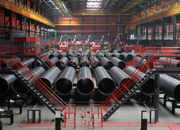 Threeway Steel is known as a professional supplier engaged in manufacturing and distributing a wide range of steel pipe, and our headquarter located the central part of China – Hunan and six associated factories throughout China.
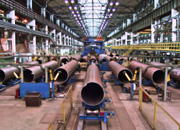 Threeway Steel is known as a professional supplier engaged in designing, manufacturing and distribution of a wide range of steel products with the headquarter located the central part of China – Hunan and six associated factories throughout China.
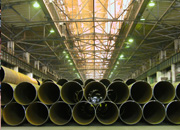 Threeway Steel is known as a professional supplier engaged in designing, manufacturing and distribution of a wide range of steel products with the headquarter located the central part of China – Hunan and six associated factories throughout China.
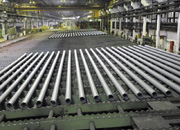 Threeway Steel is known as a professional supplier engaged in designing, manufacturing and distribution of a wide range of steel products with the headquarter located the central part of China – Hunan and six associated factories throughout China.
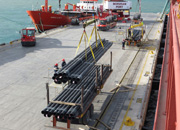 Threeway Steel is known as a professional supplier engaged in designing, manufacturing and distribution of a wide range of steel products with the headquarter located the central part of China – Hunan and six associated factories throughout China.