Hot-rolled steel plates are essential materials in construction, shipbuilding, and heavy machinery, valued for their exceptional strength, versatility, and cost-efficiency. Manufactured by heating steel above its recrystallization temperature and passing it through rolling mills, these plates are ideal for structural applications where surface finish and tight tolerances are secondary to durability.
A primary advantage of hot-rolled steel is its wide availability in various sizes and thicknesses, accommodating everything from standard building frameworks to large-scale infrastructure projects. These plates offer excellent fabrication performance, allowing them to be easily welded, cut, and formed to meet specific engineering requirements. Furthermore, the high-temperature rolling process ensures superior ductility and structural strength, making them highly reliable under heavy mechanical stress.
While hot-rolled plates feature a characteristic rougher surface with slight dimensional variations compared to cold-rolled steel, these traits are perfectly acceptable for heavy-duty structural use. Common applications include bridges, storage tanks, industrial equipment, and transportation infrastructure.
What Are Hot-Rolled Steel Plates?
Hot-rolled steel plates are flat steel products manufactured through a high-temperature rolling process. They are widely used in construction, heavy machinery, shipbuilding, transportation, energy, and industrial equipment because they offer a practical combination of strength, versatility, and cost efficiency.
Manufacturing Process
|
Step
|
Description
|
|
1. Heating
|
Steel slabs heated above recrystallization temperature for easier deformation
|
|
2. Rolling
|
Passed through rolling mills; thickness reduced, length increased, width controlled
|
|
3. Cooling
|
Controlled cooling after rolling
|
|
4. Finishing
|
Cut, leveled, inspected; dimensional, surface, chemical, and mechanical checks
|
Key Characteristics
|
Aspect
|
Description
|
|
Thickness & size range
|
Wide range—standard structural to heavy-duty industrial
|
|
Surface finish
|
Rougher than cold-rolled; may have oxide scale from high-temperature processing
|
|
Dimensional tolerances
|
Less precise than cold-rolled
|
|
Strength
|
Good—suitable for structural applications
|
|
Cost efficiency
|
Generally more economical than cold-rolled
|
Hot-Rolled vs. Cold-Rolled Steel
|
Aspect
|
Hot-Rolled
|
Cold-Rolled
|
|
Processing temperature
|
High (above recrystallization)
|
Near room temperature
|
|
Surface finish
|
Rougher
|
Smoother
|
|
Dimensional tolerances
|
Less precise
|
Tighter
|
|
Best for
|
Large structural components, heavy-duty applications
|
Precision parts, finished surfaces
|
Common Applications
|
Industry
|
Typical Uses
|
|
Construction
|
Building structures, steel frames
|
|
Infrastructure
|
Bridges, structural supports
|
|
Heavy machinery
|
Equipment frames, components
|
|
Shipbuilding
|
Hull structures, decks
|
|
Energy
|
Storage tanks, industrial facilities
|
|
Transportation
|
Vehicle components, trailers
|
Selection Factors
|
Factor
|
Why It Matters
|
|
Load requirements
|
Determines thickness and grade
|
|
Environmental conditions
|
May require corrosion protection
|
|
Welding needs
|
Affects material selection
|
|
Applicable standards
|
Ensures compliance and quality
|
Key Takeaway
Hot-rolled steel plates are versatile flat steel products produced through high-temperature rolling. Their combination of strength, size availability, fabrication potential, and cost efficiency makes them a reliable material for many construction and industrial applications.
Key Advantages of Hot-Rolled Steel Plates
Hot-rolled steel plates are widely used in construction, machinery, shipbuilding, energy, and infrastructure projects. Their manufacturing process and broad range of available grades and sizes give them several practical advantages. For applications where strength, versatility, and cost efficiency are important, hot-rolled steel plates are often a suitable choice.
Key Advantages
|
Advantage
|
Explanation
|
Benefit
|
|
High Strength & Structural Performance
|
Withstand substantial loads, impact, and structural stress
|
Suitable for building frames, bridges, heavy machinery, storage tanks, and industrial structures
|
|
Cost-Effective Production
|
High-temperature rolling makes material easier to deform and process efficiently
|
Competitive production cost; helps control material expenses for large projects
|
|
Wide Range of Sizes & Thicknesses
|
Available in many thicknesses, widths, and lengths
|
Flexibility for general structural and heavy-duty applications; standard sizes simplify procurement
|
|
Good Fabrication Performance
|
Can be cut, drilled, welded, and formed
|
Adaptable to different manufacturing and construction processes
|
|
Versatile Applications
|
Used across construction, machinery, shipbuilding, energy, infrastructure
|
One product category serves very different project requirements
|
|
Reliable Availability
|
Widely manufactured in numerous grades and dimensions
|
Reduces procurement delays; supports consistent construction schedules
|
|
Suitable for Heavy-Duty Applications
|
Performance prioritizes strength over surface appearance or tight tolerances
|
Ideal for large components where durability and load capacity are key
|
Common Applications
|
Industry
|
Typical Uses
|
|
Construction
|
Building structures, frames
|
|
Infrastructure
|
Bridges, structural supports
|
|
Heavy machinery
|
Equipment frames, components
|
|
Shipbuilding
|
Hull structures, decks
|
|
Energy
|
Storage tanks, industrial facilities
|
|
Transportation
|
Vehicle components, trailers
|
Key Takeaway
Hot-rolled steel plates offer a strong combination of:
-
Strength – high load-bearing capacity
-
Cost efficiency – competitive production
-
Size flexibility – wide range of thicknesses and dimensions
-
Fabrication potential – cut, drill, weld, form
-
Broad applicability – multiple industries
-
Availability – widely sourced
By selecting the appropriate grade and specifications, buyers can obtain a steel product that meets both technical requirements and project budget considerations.
How to Choose the Right Hot-Rolled Steel Plate
Choosing the right hot-rolled steel plate is important for ensuring reliable performance, efficient fabrication, and good long-term value. Hot-rolled plates are available in different steel grades, thicknesses, sizes, and surface conditions, so the correct product depends on the specific application and project requirements.
Selection Factors
|
Factor
|
Key Considerations
|
Why It Matters
|
|
Steel Grade
|
Strength, toughness, weldability, chemical composition per requirements
|
Must meet mechanical properties and applicable standards
|
|
Thickness
|
Based on expected loads, structural design, fabrication needs
|
Too thin = insufficient strength; too thick = unnecessary cost and weight
|
|
Width & Length
|
Standard sizes or customized dimensions; confirm tolerances
|
Reduces cutting and material waste
|
|
Surface Condition
|
Rougher surface with oxide scale (typical for hot-rolled)
|
Acceptable for structural use; may require surface prep for painting/coating
|
|
Welding & Fabrication
|
Weldability, cutting, drilling, bending requirements
|
Some grades require specific procedures, preheating, or controls
|
|
Applicable Standards
|
Industry standards, project specifications, material certificates
|
Confirms chemical composition, mechanical properties, and quality
|
|
Application Environment
|
Moisture, chemicals, marine conditions, temperature, impact
|
May require corrosion protection or specific grade selection
|
|
Cost & Delivery
|
Total project cost (material + processing + transport + treatment + installation); delivery time
|
Price alone isn't enough; confirm lead time for custom/large orders
|
Material Selection Guide
|
Application Need
|
Key Priority
|
Recommended Action
|
|
Structural / load-bearing
|
Strength and grade
|
Select grade based on mechanical properties and standards
|
|
Heavy-duty industrial
|
Thickness and durability
|
Use engineering calculations for thickness
|
|
Fabrication-intensive
|
Weldability and processing
|
Choose suitable grade; confirm welding procedures
|
|
Outdoor / corrosive environment
|
Surface protection
|
Consider coatings or corrosion-resistant grade
|
|
Cost-sensitive project
|
Total value
|
Compare material + processing + transport + installation
|
Pre-Order Checklist
|
Item
|
Check
|
|
Steel grade
|
Matches design requirements
|
|
Thickness
|
Based on engineering calculations
|
|
Dimensions
|
Width, length, tolerances
|
|
Surface condition
|
Acceptable for intended use
|
|
Fabrication
|
Welding, cutting, drilling needs
|
|
Standards
|
Industry and project specifications
|
|
Environment
|
Corrosion protection if needed
|
|
Supplier
|
Quality documentation and delivery
|
Key Takeaway
The right hot-rolled steel plate should match the project's:
-
Steel grade – strength and weldability
-
Thickness – structural requirements
-
Dimensions – fit and fabrication
-
Surface condition – preparation needs
-
Fabrication – processing methods
-
Standards – compliance and documentation
-
Environment – corrosion protection
-
Cost and delivery – total project value
Our Hot-Rolled Steel Plate Product Recommendations & Shipping Information
We supply premium hot-rolled steel plates engineered for construction, shipbuilding, and heavy machinery. Our comprehensive product range includes structural plates for building frameworks and heavy-duty plates designed to withstand significant mechanical stress. We also offer customized processing, including cutting and non-standard dimensions, to streamline your fabrication process.
Quality and compliance are our top priorities. We manufacture our plates to exact specifications and provide comprehensive material certificates and inspection reports to guarantee full traceability and compliance with international standards.
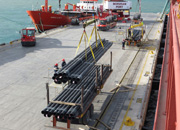
Beyond manufacturing, we provide end-to-end global shipping solutions. We understand that timely delivery is critical to maintaining project schedules. Our logistics team manages secure bundling and flexible transportation options—including container, bulk, and truck freight—to prevent transit damage and ensure your steel plates arrive safely and on time.
From technical consultation to final delivery, we provide a complete, reliable supply chain for your industrial needs. To receive a customized product and shipping quotation, please contact us today with your required steel grade, dimensions, quantity, applicable standards, and delivery destination. Our expert team will recommend the optimal hot-rolled steel plate configuration tailored to your project's exact requirements.
Hot-Rolled vs. Cold-Rolled Steel Plates
Comparison at a Glance
|
Aspect
|
Hot-Rolled Steel
|
Cold-Rolled Steel
|
|
Manufacturing Process
|
Rolled above recrystallization temperature
|
Additional rolling at or near room temperature after hot rolling
|
|
Surface Finish
|
Rougher; may have oxide scale
|
Smoother, cleaner
|
|
Dimensional Accuracy
|
Less precise; standard tolerances
|
Tighter tolerances; consistent thickness
|
|
Strength & Formability
|
Good strength; structural grades available
|
Cold working increases strength/hardness in some products
|
|
Cost
|
Generally more economical
|
Higher cost due to additional processing
|
|
Best For
|
Structural, heavy-duty applications
|
Precision parts, finished surfaces, appearance-critical applications
|
Detailed Comparison
|
Factor
|
Hot-Rolled
|
Cold-Rolled
|
|
Processing temperature
|
High (above recrystallization)
|
Near room temperature
|
|
Surface condition
|
Rougher; may require preparation for painting/coating
|
Smoother; ready for finishing
|
|
Tolerances
|
Standard; acceptable for structural use
|
Tighter; for precision components
|
|
Mechanical properties
|
Grade-dependent; many structural grades available
|
Cold working can increase strength/hardness
|
|
Cost
|
Lower production cost
|
Higher due to additional processing
|
|
Typical applications
|
Buildings, bridges, machinery, shipbuilding, tanks
|
Automotive, appliances, precision parts, furniture
|
Typical Applications
|
Industry
|
Hot-Rolled
|
Cold-Rolled
|
|
Construction
|
Structural frames, beams, columns
|
Less common
|
|
Infrastructure
|
Bridges, heavy supports
|
Less common
|
|
Heavy machinery
|
Equipment frames, components
|
Precision parts
|
|
Shipbuilding
|
Hull structures
|
Less common
|
|
Automotive
|
Less common
|
Body panels, components
|
|
Appliances
|
Less common
|
Casing, internal parts
|
Selection Guide
Conclusion:
Hot-rolled steel plates are a foundational choice for construction, shipbuilding, and heavy machinery, offering an exceptional balance of structural strength, versatility, and cost-efficiency. Produced through a high-temperature rolling process, these plates provide the toughness and load-bearing capacity required for demanding applications like bridges, storage tanks, and industrial equipment.
A primary advantage of hot-rolled steel is its wide availability in various sizes and thicknesses, alongside cost-effective large-scale production. While they feature a rougher surface and less precise dimensional tolerances compared to cold-rolled steel, these traits are perfectly acceptable for heavy-duty structural use where surface finish is secondary to mechanical performance.
FAQ:
1. What are the main advantages of hot-rolled steel plates?
They offer good strength, cost efficiency, a wide range of sizes and thicknesses, and good suitability for cutting, welding, and other fabrication processes.
2. What are hot-rolled steel plates used for?
They are commonly used in construction, bridges, heavy machinery, shipbuilding, storage tanks, energy facilities, and industrial equipment.
3. Are hot-rolled steel plates stronger than cold-rolled steel plates?
Not necessarily. Strength depends on the specific steel grade and processing. Hot-rolled plates are commonly used for structural applications, while cold-rolled products generally provide better surface finish and dimensional accuracy.
4. Are hot-rolled steel plates suitable for welding?
Yes. Many hot-rolled structural steel grades have good weldability, but the appropriate grade, thickness, and welding procedure should be selected according to project requirements.

 Threeway Steel is known as a professional supplier engaged in manufacturing and distributing a wide range of steel pipe, and our headquarter located the central part of China – Hunan and six associated factories throughout China.
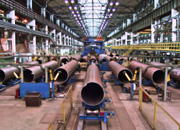 Threeway Steel is known as a professional supplier engaged in designing, manufacturing and distribution of a wide range of steel products with the headquarter located the central part of China – Hunan and six associated factories throughout China.
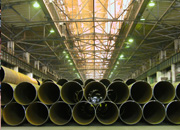 Threeway Steel is known as a professional supplier engaged in designing, manufacturing and distribution of a wide range of steel products with the headquarter located the central part of China – Hunan and six associated factories throughout China.
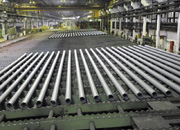 Threeway Steel is known as a professional supplier engaged in designing, manufacturing and distribution of a wide range of steel products with the headquarter located the central part of China – Hunan and six associated factories throughout China.
 Threeway Steel is known as a professional supplier engaged in designing, manufacturing and distribution of a wide range of steel products with the headquarter located the central part of China – Hunan and six associated factories throughout China.