Seamless steel pipes are indispensable in the petroleum industry due to their ability to withstand extreme operating conditions, including high pressure, temperature fluctuations, and corrosive environments. Manufactured without a longitudinal weld seam, they feature a continuous steel structure that provides superior resistance to internal pressure and mechanical stress, making them ideal for critical applications like oil and gas well casing, tubing, and refinery process piping.
Their exceptional pressure-bearing capacity is a primary advantage, ensuring safe operation under demanding design conditions. Additionally, seamless pipes maintain mechanical integrity across a wide temperature range and can be manufactured from specialized alloy grades to resist specific chemical corrosion risks.
What Are Seamless Steel Pipes?
Seamless steel pipes are steel pipes manufactured without a longitudinal welded seam. Unlike welded pipes, which are formed by joining steel plate or strip along a seam, seamless pipes are produced from a solid steel billet that is heated, pierced, and formed into a hollow tube—giving them a continuous structure around the pipe wall.
Manufacturing Process
|
Step
|
Description
|
|
1. Billet heating
|
Solid round steel billet heated to suitable temperature
|
|
2. Piercing
|
Billet pierced through the center to form a hollow shell
|
|
3. Rolling / Forming
|
Shell processed to achieve required OD and wall thickness
|
|
4. Finishing
|
Heat treatment, straightening, sizing, surface finishing
|
|
5. Inspection
|
Hydrostatic, mechanical, dimensional, and other quality checks
|
Key Characteristics
|
Aspect
|
Description
|
|
Manufacturing
|
No longitudinal weld—continuous structure
|
|
Pressure Resistance
|
Good resistance to internal pressure and mechanical loads
|
|
Size Range
|
Wide range of OD, wall thickness, lengths, and steel grades
|
|
Materials
|
Carbon steel (general), alloy steel (high temp), stainless steel (corrosion)
|
|
Key Advantage
|
Continuous structure; suitable for demanding service conditions
|
Seamless vs. Welded Pipes
|
Aspect
|
Seamless Pipe
|
Welded Pipe
|
|
Weld seam
|
None
|
Present (longitudinal)
|
|
Manufacturing
|
Solid billet → pierced → rolled
|
Steel plate/strip → formed → welded
|
|
Pressure capability
|
Good
|
Varies by quality
|
|
Cost
|
Higher
|
Lower
|
|
Best for
|
High-pressure, demanding applications
|
General applications
|
Key Factors for Petroleum Applications
|
Factor
|
Why It Matters
|
|
Steel grade
|
Determines strength and temperature performance
|
|
Dimensions
|
OD, wall thickness, length
|
|
Pressure rating
|
Must meet system requirements
|
|
Temperature range
|
Material must suit operating conditions
|
|
Applicable standards
|
API, ASTM, or project-specific
|
|
Inspection requirements
|
Hydrostatic, NDT, mechanical testing
|
Key Takeaway
Seamless steel pipes are continuous, pressure-resistant steel tubes manufactured from solid billets rather than welded sheets or strips. Their combination of strength, dimensional options, and suitability for demanding environments makes them an important piping solution for petroleum and other industrial applications.
However, seamless pipes are not always better than welded pipes—the appropriate choice depends on pipe dimensions, pressure requirements, manufacturing standards, availability, and project cost.
Main Roles of Seamless Steel Pipes in the Petroleum Industry
Seamless steel pipes play an important role throughout the petroleum industry—from oil and gas wells to production facilities, pipelines, and refineries. Their continuous construction, strength, and ability to handle demanding operating conditions make them suitable for many pressure-bearing applications.
Roles in the Petroleum Industry
|
Application Area
|
Typical Uses
|
Key Considerations
|
|
Oil & Gas Well Applications
|
Casing, tubing, well-related components
|
Steel grade, wall thickness, connection design, API requirements; withstand mechanical loads, pressure, temperature, formation conditions
|
|
Oil & Gas Transportation
|
Crude oil, natural gas, petroleum fluid pipelines
|
Pressure, flow conditions, diameter, wall thickness, grade, temperature, corrosion protection, pipeline standards
|
|
Refineries & Petrochemical Plants
|
Process piping, pressure-bearing systems
|
Heat, pressure, chemicals, corrosive substances; carbon steel for general service; alloy/stainless for demanding conditions
|
|
Production & Processing Facilities
|
High-pressure lines, hydraulic systems, process systems, equipment connections
|
Fluid type, pressure, temperature, corrosion risks, service life
|
|
Auxiliary & Utility Systems
|
Water, steam, compressed fluids, other utilities
|
Specifications must match operating requirements
|
Selection Factors for Petroleum Applications
|
Factor
|
Why It Matters
|
|
Pressure
|
Determines wall thickness and grade
|
|
Temperature
|
Material must suit operating conditions
|
|
Fluid characteristics
|
Corrosion risk, chemical compatibility
|
|
Dimensions
|
OD, wall thickness, length
|
|
Steel grade
|
Strength and temperature performance
|
|
Applicable standards
|
API, ASTM, or project-specific
|
|
Corrosion protection
|
Coatings or material selection
|
|
Connection design
|
Compatibility with system
|
Key Takeaway
Seamless steel pipes serve important roles in:
-
Well construction – casing and tubing
-
Production – processing and gathering systems
-
Transportation – pipelines for crude oil and natural gas
-
Refining – process piping in high-temperature/high-pressure systems
-
Utility systems – water, steam, and compressed fluids
Their continuous structure and range of available materials and dimensions make them a versatile option for demanding petroleum applications. The right product should always be selected based on pressure, temperature, fluid characteristics, dimensions, material grade, applicable standards, and project-specific requirements.
Advantages of Seamless Steel Pipes for Petroleum Applications
Seamless steel tubes are widely used in petroleum applications because they provide reliable performance under demanding pressure, temperature, and mechanical conditions. Their manufacturing structure, material options, and dimensional range make them suitable for oil and gas production, transportation, and processing.
Key Advantages
|
Advantage
|
Explanation
|
Benefit for Petroleum
|
|
High Pressure Resistance
|
No longitudinal weld seam—continuous wall structure
|
Suitable for high-pressure wells, process piping, and pressure systems
|
|
Reliable Structural Integrity
|
Consistent characteristics around the pipe wall
|
Valuable for demanding mechanical conditions and pipe integrity
|
|
Suitable for Demanding Temperatures
|
Available in carbon, alloy, and stainless steel grades
|
Carbon for general; alloy/stainless for high-temperature or corrosive environments
|
|
Wide Range of Materials & Dimensions
|
Various OD, wall thickness, lengths, and steel grades
|
Flexibility for different flow, pressure, and installation needs
|
|
Good Dimensional Consistency
|
Accurate OD and wall thickness within specified tolerances
|
Simplifies fabrication, installation, and connections
|
|
Suitable for Harsh Environments
|
Materials available for moisture, chemicals, hydrocarbons, pressure, and temperature fluctuations
|
Dependable service with proper material selection and corrosion control
|
|
Applicable to Various Systems
|
Wells, production, transportation, refineries, petrochemical, utilities
|
Versatile across the petroleum industry
|
Selection Factors for Petroleum Applications
|
Factor
|
Why It Matters
|
|
Pressure
|
Determines wall thickness and grade
|
|
Temperature
|
Material must suit operating conditions
|
|
Fluid composition
|
Corrosion risk and chemical compatibility
|
|
Dimensions
|
OD, wall thickness, length
|
|
Steel grade
|
Strength, temperature, and corrosion performance
|
|
Corrosion protection
|
Coatings or material selection
|
|
Applicable standards
|
API, ASTM, or project-specific
|
Key Takeaway
The main advantages of seamless steel pipes for petroleum applications include:
-
Pressure resistance – continuous structure handles high pressure
-
Structural integrity – consistent performance under mechanical loads
-
Temperature capability – grades for high or low temperatures
-
Dimensional flexibility – wide range of sizes and materials
-
Harsh environment suitability – dependable in demanding conditions
-
Versatility – applicable to wells, pipelines, refineries, and utilities
These benefits make seamless pipes an important option for petroleum projects. However, the correct product must always be selected according to the specific pressure, temperature, fluid, material, dimensions, standards, and inspection requirements of the system.
How to Choose the Right Seamless Steel Pipe for a Petroleum Project
Choosing the right seamless steel pipe is essential for the safety, reliability, and efficiency of a petroleum project. Oil and gas systems operate under high pressure, elevated temperatures, and corrosive conditions—so the pipe must match the actual service environment. Before placing an order, engineers and buyers should evaluate several key factors.
Selection Factors
|
Factor
|
Action
|
Why It Matters
|
|
Application & Operating Conditions
|
Identify where pipe will be used; determine pressure, temperature, flow rate, medium
|
Different systems have different requirements; matching conditions reduces failure risk
|
|
Material & Grade
|
Select carbon steel, alloy steel, or stainless steel per fluid, corrosion, temperature, pressure
|
Must be compatible with connected fittings, valves, and flanges
|
|
Pipe Dimensions
|
Confirm OD, wall thickness, length
|
Affects flow, pressure resistance, installation, and component compatibility
|
|
Applicable Standards
|
API, ASTM, ASME, or project-specific
|
Defines chemical, mechanical, dimensional, testing, and inspection requirements
|
|
Inspection & Documentation
|
Material certificates, test results, dimensional records, hydrostatic testing
|
Critical for quality verification and project acceptance
|
|
Supplier Capability & Delivery
|
Manufacturing capability, QC system, product range, delivery capacity
|
Ensures consistent quality and on-time delivery
|
Pre-Order Checklist
|
Item
|
Check
|
|
Application
|
Well, gathering, pipeline, refinery, petrochemical, utility
|
|
Pressure
|
Operating and design pressure
|
|
Temperature
|
Operating range
|
|
Fluid
|
Composition and corrosion risk
|
|
Material grade
|
Carbon, alloy, or stainless steel
|
|
Dimensions
|
OD, wall thickness, length
|
|
Standards
|
API, ASTM, ASME, or project-specific
|
|
Inspection
|
MTC, hydrostatic, NDT, mechanical testing
|
|
Supplier
|
Capability, QC, delivery
|
Key Takeaway
Choosing the right seamless steel pipe requires a complete evaluation of:
-
Application – where and how it will be used
-
Pressure and temperature – operating conditions
-
Fluid – composition and corrosion risk
-
Material grade – suitability for the environment
-
Dimensions – size and wall thickness
-
Standards – compliance with API, ASTM, or ASME
-
Inspection – quality documentation and testing
-
Supplier – capability and delivery
For demanding petroleum projects, providing detailed technical specifications to an experienced supplier helps ensure the selected pipe meets the project's performance and quality requirements.
Our Seamless Steel Pipe Recommendations and Shipping Information
We supply premium seamless steel pipes engineered for demanding petroleum, oil and gas, and industrial applications. Our comprehensive product range includes seamless carbon steel pipes for general pressure-bearing systems, as well as alloy and stainless steel pipes designed to withstand high temperatures and corrosive environments. All products are manufactured to strict industry standards, including API and ASTM.
Quality and traceability are paramount. We implement rigorous quality control and provide comprehensive documentation, including material certificates, chemical composition analysis, and mechanical test results. For projects with unique requirements, we also offer customized solutions for non-standard dimensions, special steel grades, and surface treatments.
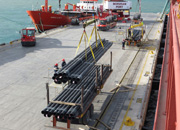
Beyond manufacturing, we provide end-to-end global shipping solutions. We understand that timely delivery is critical to maintaining project schedules. Our logistics team manages secure packaging and flexible transportation options—including sea, air, and truck freight—to prevent transit damage and ensure your pipes arrive safely and on time.
From technical consultation to final delivery, we provide a complete, reliable supply chain for your petroleum piping needs. To receive a customized product and shipping quotation, please contact us today with your required pipe size, material grade, applicable standard, quantity, destination, and delivery date. Our expert team will recommend the optimal seamless steel pipe configuration tailored to your project's exact requirements.
Conclusion
Selecting the right seamless steel pipe is critical for the safety and efficiency of petroleum projects. Operating under extreme pressures, temperatures, and corrosive conditions, these pipes must be chosen based on the specific service environment rather than size or price alone.
The first step is identifying the intended application, whether for oil and gas wells, refineries, or transportation systems. Material selection is equally vital; while carbon steel suits general applications, alloy or stainless steel may be required for harsher conditions. Additionally, precise dimensions—including outside diameter and wall thickness—must align with design pressures and mechanical loads.
Compliance with industry standards such as API, ASTM, or ASME is mandatory. Buyers must verify that products meet these specifications and establish clear inspection and certification requirements, including material certificates and hydrostatic testing, before production.
FAQ:
FAQ 1: Why are seamless steel pipes used in the petroleum industry?
They offer good strength, pressure resistance, structural integrity, and reliability, making them suitable for demanding oil and gas applications.
FAQ 2: Where are seamless steel pipes used in petroleum?
They are used in oil and gas wells, production facilities, transportation systems, refineries, petrochemical plants, and utility systems.
FAQ 3: Are seamless pipes better than welded pipes for petroleum applications?
Not always. The right choice depends on pressure, temperature, pipe dimensions, material, applicable standards, application, and cost.
FAQ 4: How do I choose a seamless steel pipe for an oil and gas project?
Consider the fluid, pressure, temperature, steel grade, pipe dimensions, applicable standards, inspection requirements, corrosion conditions, and service environment.
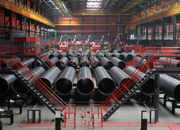 Threeway Steel is known as a professional supplier engaged in manufacturing and distributing a wide range of steel pipe, and our headquarter located the central part of China – Hunan and six associated factories throughout China.
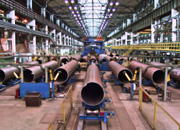 Threeway Steel is known as a professional supplier engaged in designing, manufacturing and distribution of a wide range of steel products with the headquarter located the central part of China – Hunan and six associated factories throughout China.
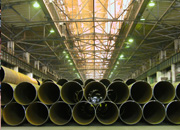 Threeway Steel is known as a professional supplier engaged in designing, manufacturing and distribution of a wide range of steel products with the headquarter located the central part of China – Hunan and six associated factories throughout China.
 Threeway Steel is known as a professional supplier engaged in designing, manufacturing and distribution of a wide range of steel products with the headquarter located the central part of China – Hunan and six associated factories throughout China.
 Threeway Steel is known as a professional supplier engaged in designing, manufacturing and distribution of a wide range of steel products with the headquarter located the central part of China – Hunan and six associated factories throughout China.