High carbon steel pipe is manufactured from steel with an elevated carbon content, typically ranging from 0.60% to 1.70%. This composition provides exceptional hardness, tensile strength, and wear resistance, making it ideal for demanding mechanical and industrial applications where durability is paramount.
A key advantage of high carbon steel is its ability to be heat-treated (quenched and tempered) to further enhance its mechanical properties. However, this increased hardness comes with certain limitations. High carbon steel exhibits lower ductility and toughness compared to low-carbon alternatives, making it more susceptible to cracking during welding. Therefore, specialized fabrication procedures and careful material evaluation are required before use.
High Carbon Steel Pipe Specifications and Details
The specifications of high carbon steel pipes determine their mechanical performance, dimensional accuracy, manufacturing requirements, and suitability for different applications. Because "high carbon steel pipe" describes a category rather than one specific grade, the exact requirements can vary significantly between products. Buyers should always confirm the applicable steel grade, standard, dimensions, and testing requirements before placing an order.
Key Specifications
|
Specification
|
Details
|
Why It Matters
|
|
Chemical Composition
|
Higher carbon content increases hardness and strength; reduces ductility and weldability; other elements (Mn, Si, Cr, Ni, Mo) affect strength, hardenability, toughness, corrosion resistance
|
Must be checked against material standard—not just general carbon-content description
|
|
Mechanical Properties
|
High hardness, strength, and wear resistance; properties depend on grade and condition
|
Consider actual loads and conditions—not just tensile strength
|
|
Dimensions
|
OD, wall thickness, length, ID, tolerances, end preparation
|
Wall thickness critical for pressure applications; provide precise requirements for quotation
|
|
Manufacturing Method
|
Seamless or welded—depends on grade, dimensions, application, and standards
|
Seamless for demanding pressure applications; welded where specification permits
|
|
Heat Treatment
|
Annealing, normalizing, quenching, tempering—alters hardness, strength, ductility, toughness
|
Confirm required condition with supplier if specified
|
|
Standards & Inspection
|
Chemical analysis, tensile/hardness testing, dimensional, visual, NDT as required
|
Confirms compliance with applicable material/product standard
|
Chemical Composition – Key Elements
|
Element
|
Effect
|
|
Carbon
|
Increases hardness and strength; reduces ductility and weldability
|
|
Manganese
|
Improves strength and hardenability
|
|
Silicon
|
Deoxidizing element; affects strength
|
|
Chromium
|
Improves hardenability and corrosion resistance
|
|
Nickel
|
Improves toughness
|
|
Molybdenum
|
Enhances strength and high-temperature performance
|
Inspection & Testing Methods
|
Test / Inspection
|
Purpose
|
|
Chemical analysis
|
Verify material grade
|
|
Tensile testing
|
Confirm strength
|
|
Hardness testing
|
Verify hardness
|
|
Dimensional inspection
|
Check OD, wall thickness, length
|
|
Visual examination
|
Surface defects
|
|
Nondestructive testing (NDT)
|
Detect internal/subsurface defects (when required)
|
Key Takeaway
The most important specifications of high carbon steel pipes include:
-
Material grade – specific steel grade
-
Chemical composition – carbon and alloying elements
-
Mechanical properties – strength, hardness, wear resistance
-
Dimensions – OD, wall thickness, length
-
Manufacturing method – seamless or welded
-
Heat-treatment condition – if required
-
Applicable standard – compliance
-
Inspection requirements – testing and documentation
Clearly defining these details before ordering helps ensure that the selected pipe meets both technical requirements and actual service conditions.
Key Characteristics and Advantages of High Carbon Steel Pipes
High carbon steel pipes are selected for applications where strength, hardness, and wear resistance are important. Compared with lower-carbon steel, their higher carbon content provides greater hardness and strength potential. However, these advantages come with trade-offs—particularly in ductility and weldability. Understanding these characteristics helps engineers and buyers determine suitability for specific applications.
Key Advantages
|
Advantage
|
Explanation
|
Best For
|
|
High Strength
|
Strong resistance to mechanical loads and deformation (grade/heat-treatment dependent)
|
Demanding mechanical and industrial applications
|
|
Excellent Hardness
|
High hardness after appropriate heat treatment; resists indentation and deformation
|
Applications with repeated contact or mechanical stress
|
|
Good Wear Resistance
|
Harder surface reduces material loss from friction, abrasion, or repeated contact
|
Machinery and industrial applications with mechanical wear
|
|
Heat-Treatment Potential
|
Quenching and tempering can modify hardness, strength, and toughness
|
Flexibility for different mechanical requirements
|
|
Good Resistance to Deformation
|
Strength + hardness resist permanent deformation under suitable loading
|
Components exposed to repeated mechanical forces
|
Important Limitations
|
Limitation
|
Impact
|
Consideration
|
|
Lower Ductility
|
Reduced ability to deform without cracking
|
May not suit extensive forming
|
|
Lower Toughness
|
Reduced resistance to impact and fracture
|
Not ideal for impact loading or low-temperature service
|
|
Reduced Weldability
|
Requires careful control of preheating, heat input, cooling, and post-weld treatment
|
Welding procedures must be carefully managed
|
|
Not Inherently Corrosion-Resistant
|
Carbon content affects mechanical properties—not corrosion resistance
|
Corrosion performance depends on composition, environment, and surface protection
|
Comparison – High Carbon vs. Low Carbon Steel
|
Property
|
High Carbon Steel
|
Low Carbon Steel
|
|
Strength
|
High
|
Lower
|
|
Hardness
|
High
|
Lower
|
|
Wear resistance
|
Good
|
Limited
|
|
Ductility
|
Lower
|
High
|
|
Toughness
|
Lower
|
Higher
|
|
Weldability
|
More difficult
|
Easier
|
|
Formability
|
Limited
|
Good
|
|
Heat treatment response
|
Significant
|
Limited
|
Key Takeaway
The main advantages of high carbon steel pipes are:
-
High strength – resists mechanical loads
-
High hardness – resists indentation and deformation
-
Wear resistance – reduces material loss from friction
-
Heat-treatment potential – flexibility for mechanical requirements
However, material selection should consider the limitations:
-
Reduced ductility and toughness – not suitable for impact or low-temperature service
-
Lower weldability – requires careful control
-
Not corrosion-resistant – depends on composition and environment
Applications of High Carbon Steel Pipes
High carbon steel pipes are mainly used in applications where high strength, hardness, and wear resistance are important. Their higher carbon content allows suitable grades to achieve high hardness and strength, especially after appropriate heat treatment. However, they generally have lower ductility and weldability than low-carbon steel, so application selection should be based on actual operating conditions.
Applications Overview
|
Application Area
|
Typical Uses
|
Key Requirements
|
|
Mechanical Engineering
|
Machinery components, equipment, structural parts exposed to mechanical loads
|
Strength and hardness to resist deformation and wear
|
|
Industrial Machinery
|
Components exposed to friction, impact, vibration, repeated loading
|
Wear resistance and durability; where welding/formability are less critical
|
|
Wear-Related Applications
|
Material-handling equipment, surfaces exposed to abrasion or repeated contact
|
High hardness for wear resistance
|
|
Manufacturing & Processing Equipment
|
Pipe components in industrial processing or machinery
|
Withstand repeated mechanical loads and continuous operation
|
|
High-Load Mechanical Components
|
Components under significant mechanical stress
|
Strength and hardness; evaluate impact, fatigue, temperature, toughness
|
|
Heat-Treated Components
|
Components requiring specific hardness/strength combinations
|
Quenching and tempering to adjust properties
|
When High Carbon Steel Is Suitable
|
Condition
|
Suitability
|
|
High strength required
|
Yes
|
|
High hardness / wear resistance needed
|
Yes
|
|
Extensive welding required
|
Limited—requires careful procedures
|
|
Severe impact loading
|
May not be suitable—lower toughness
|
|
Low-temperature service
|
May not be suitable—lower toughness
|
|
Corrosive environment
|
Not inherently corrosion-resistant—additional protection needed
|
|
Extensive forming required
|
Limited—lower ductility
|
Pre-Selection Checklist
High Carbon Steel Pipe vs. Low and Medium Carbon Steel Pipe
Carbon steel pipes can be divided into low, medium, and high carbon categories based on carbon content and corresponding material characteristics. Although these materials share the basic properties of carbon steel, differences in carbon content significantly affect strength, hardness, ductility, toughness, weldability, and application suitability.
Comparison at a Glance
|
Property
|
Low Carbon Steel
|
Medium Carbon Steel
|
High Carbon Steel
|
|
Carbon Content
|
Lowest
|
Moderate
|
Highest
|
|
Strength
|
Lower
|
Moderate
|
Highest
|
|
Hardness
|
Lower
|
Moderate
|
Highest
|
|
Ductility
|
Highest
|
Moderate
|
Lowest
|
|
Toughness
|
Higher
|
Moderate
|
Lower
|
|
Weldability
|
Easiest
|
Requires control
|
Requires careful control
|
|
Wear Resistance
|
Lower
|
Moderate (with HT)
|
High (with HT)
|
|
Formability
|
Best
|
Moderate
|
Limited
|
|
Heat Treatment Response
|
Limited
|
Good
|
Excellent
|
Detailed Comparison
|
Aspect
|
Low Carbon Steel
|
Medium Carbon Steel
|
High Carbon Steel
|
|
Strength & Hardness
|
Lower hardness and strength
|
Balance between strength and ductility
|
Greatest potential for hardness and strength (with heat treatment)
|
|
Ductility & Toughness
|
Best ductility; suitable for forming/bending
|
Moderate; better than high carbon
|
Lower ductility; less suitable for extensive deformation
|
|
Weldability
|
Easiest; lower carbon reduces cracking risk
|
Requires preheating, controlled heat input, post-weld treatment
|
Requires careful control; preheating and post-weld treatment often needed
|
|
Wear Resistance
|
Limited
|
Good with heat treatment
|
Best; high hardness resists abrasion and mechanical contact
|
|
Formability
|
Excellent
|
Moderate
|
Limited
|
Selection Guide
Our High Carbon Steel Pipe Products and Shipping Services
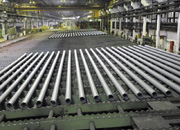
We supply premium high carbon steel pipes engineered for applications demanding exceptional strength, hardness, and wear resistance. Available in both seamless and welded forms, our comprehensive product range can be customized to your exact material grades, outside diameters, wall thicknesses, and lengths.
Quality and mechanical integrity are our top priorities. Because high carbon steel requires precise manufacturing, we implement rigorous quality control, including chemical composition analysis, tensile and hardness testing, and ultrasonic non-destructive testing (NDT). We provide comprehensive material certificates and inspection reports to guarantee full traceability and compliance with industry standards.
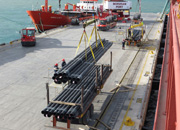
Beyond manufacturing, we provide end-to-end global shipping solutions. We understand that timely delivery is critical to maintaining project schedules. Our logistics team manages secure bundling and flexible transportation options—including sea, rail, and truck freight—to prevent transit damage and ensure your pipes arrive safely and on schedule.
From technical consultation and customized manufacturing to final delivery, we provide a complete, reliable supply chain for your industrial piping needs. To receive a customized product and shipping quotation, please contact us today with your required steel grade, pipe dimensions, heat-treatment conditions, quantity, and delivery destination. Our expert team will recommend the optimal high carbon steel pipe configuration tailored to your project's exact requirements.
How to Choose the Right High Carbon Steel Pipe
Choosing the right high carbon steel pipe requires balancing its exceptional hardness and wear resistance with its reduced ductility and weldability. The first step is to clearly define the application and operating conditions, including temperature, pressure, mechanical loads, and corrosion exposure.
Since "high carbon steel" encompasses various grades, selecting the appropriate steel grade is crucial. Buyers must evaluate chemical composition, tensile strength, and toughness to ensure the material meets performance requirements without incurring unnecessary costs. Additionally, precise dimensions—particularly wall thickness and tolerances—must be confirmed to satisfy system design and pressure requirements.
Fabrication and heat treatment are equally critical considerations. High carbon steel is susceptible to cracking during welding and may require preheating or post-weld heat treatment. Furthermore, heat treatments like quenching and tempering should be specified based on the required combination of strength and toughness, rather than hardness alone.
FAQ:
1. What are the main advantages of high carbon steel pipes?
They offer high hardness, strength, and wear resistance, making them suitable for certain demanding mechanical and industrial applications.
2. Are high carbon steel pipes easy to weld?
Generally, no. Their higher carbon content can increase the risk of cracking during welding, so appropriate welding procedures may be required.
3. Are high carbon steel pipes corrosion-resistant?
Not necessarily. High carbon content mainly improves hardness and strength. Corrosion resistance depends on the steel composition, environment, and any surface protection.
4. What are high carbon steel pipes used for?
They are commonly considered for selected mechanical, industrial, machinery, and wear-related applications where high strength or hardness is required.
5. How should I choose a high carbon steel pipe?
Consider the required material grade, strength, hardness, dimensions, operating temperature and pressure, corrosion environment, welding requirements, applicable standards, and expected service life.
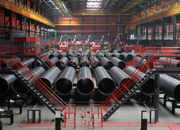 Threeway Steel is known as a professional supplier engaged in manufacturing and distributing a wide range of steel pipe, and our headquarter located the central part of China – Hunan and six associated factories throughout China.
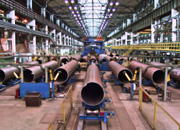 Threeway Steel is known as a professional supplier engaged in designing, manufacturing and distribution of a wide range of steel products with the headquarter located the central part of China – Hunan and six associated factories throughout China.
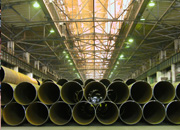 Threeway Steel is known as a professional supplier engaged in designing, manufacturing and distribution of a wide range of steel products with the headquarter located the central part of China – Hunan and six associated factories throughout China.
 Threeway Steel is known as a professional supplier engaged in designing, manufacturing and distribution of a wide range of steel products with the headquarter located the central part of China – Hunan and six associated factories throughout China.
 Threeway Steel is known as a professional supplier engaged in designing, manufacturing and distribution of a wide range of steel products with the headquarter located the central part of China – Hunan and six associated factories throughout China.