Selecting the correct
steel pipe wall thickness is critical for project safety and cost-efficiency. Schedule 20 and Schedule 40 are two commonly specified options, but they serve different purposes. The term "Schedule" (SCH) indicates a standardized wall thickness designation that varies depending on the pipe's nominal size.
For the same nominal size, Schedule 40 features a thicker wall than Schedule 20. This provides Schedule 40 with superior resistance to internal pressure, external loads, and mechanical stress. Conversely, Schedule 20 has a thinner wall, making it lighter and more economical for applications that do not require heavy-duty strength.
Wall thickness also impacts the internal diameter; a thicker Schedule 40 wall results in a smaller internal diameter compared to Schedule 20, which can affect fluid flow capacity. Additionally, the extra steel in Schedule 40 increases its weight, which can influence material costs, shipping, and installation.
Schedule 20 vs. Schedule 40: What Is the Difference?
Schedule 20 and Schedule 40 are two common steel pipe specifications used in different piping and structural applications. The main difference is wall thickness, but this also affects pipe strength, weight, internal diameter, cost, and handling. Understanding these factors helps you select the right pipe for your project.
Key Differences
|
Aspect
|
Schedule 20
|
Schedule 40
|
|
Wall Thickness
|
Thinner
|
Thicker (for same nominal pipe size)
|
|
Strength & Pressure Capacity
|
Lower—sufficient for low-pressure applications
|
Higher—better resistance to internal pressure, impact, bending, and external loads
|
|
Weight
|
Lighter
|
Heavier (more steel)
|
|
Cost
|
Lower material cost
|
Higher material cost
|
|
Internal Diameter
|
Larger (same OD, thinner wall)
|
Smaller (same OD, thicker wall)
|
|
Flow Capacity
|
Higher flow area
|
Lower flow area
|
Strength & Pressure Capacity – Key Points
|
Factor
|
Schedule 20
|
Schedule 40
|
|
Wall thickness
|
Thinner
|
Thicker
|
|
Pressure resistance
|
Lower
|
Higher
|
|
Impact resistance
|
Lower
|
Higher
|
|
Bending resistance
|
Lower
|
Higher
|
|
External load resistance
|
Lower
|
Higher
|
Weight & Cost Comparison
|
Factor
|
Schedule 20
|
Schedule 40
|
|
Material quantity
|
Less
|
More
|
|
Pipe weight
|
Lighter
|
Heavier
|
|
Purchase cost
|
Lower
|
Higher
|
|
Transport/handling
|
Easier, lower cost
|
More demanding, higher cost
|
Internal Diameter & Flow
|
Factor
|
Schedule 20
|
Schedule 40
|
|
Outside diameter (same nominal size)
|
Same
|
Same
|
|
Wall thickness
|
Thinner
|
Thicker
|
|
Internal diameter
|
Larger
|
Smaller
|
|
Flow capacity
|
Higher
|
Lower
|
|
Pressure loss
|
Lower
|
Higher
|
Selection Guide
|
Condition
|
Recommended Schedule
|
|
Low pressure, light-duty applications
|
Schedule 20
|
|
Weight and cost are key priorities
|
Schedule 20
|
|
Higher pressure, heavier loads
|
Schedule 40
|
|
Greater mechanical resistance needed
|
Schedule 40
|
|
Higher flow capacity required
|
Schedule 20 (larger ID)
|
|
Structural or heavy-duty applications
|
Schedule 40
|
Key Takeaway
The main difference between Schedule 20 and Schedule 40 is wall thickness, but the choice affects several aspects of a piping system:
-
Schedule 40 – greater strength, heavier, more expensive
-
Schedule 20 – lighter, more economical, larger internal diameter
Neither is universally better. The final choice should consider:
-
Working pressure and temperature
-
Pipe size and material grade
-
Transported medium
-
External loads and installation environment
-
Corrosion allowance
-
Applicable standards
When Should You Choose Schedule 20 or Schedule 40?
Choosing between Schedule 20 and Schedule 40 steel pipe depends on the requirements of your project. Neither option is suitable for every application. Factors such as working pressure, temperature, pipe size, external loads, flow requirements, installation conditions, and budget should all be considered before making a decision.
Selection Guide
|
Condition
|
Recommended Schedule
|
Reason
|
|
Low pressure, light-duty applications
|
Schedule 20
|
Lighter, more economical, easier to handle
|
|
Weight reduction is important
|
Schedule 20
|
Easier transport, handling, and installation
|
|
Non-critical fluid systems, sleeves, frames
|
Schedule 20
|
Sufficient for standard loads
|
|
High pressure or heavy loads
|
Schedule 40
|
Thicker wall provides greater resistance
|
|
Fire protection, water piping, industrial systems
|
Schedule 40
|
Greater strength and durability
|
|
Corrosion or mechanical wear is a concern
|
Schedule 40
|
Additional material allowance
|
Key Selection Factors
|
Factor
|
Why It Matters
|
|
Working pressure
|
Higher pressure = thicker wall required
|
|
Temperature
|
Affects material performance and allowable pressure
|
|
Pipe size
|
Wall thickness varies by nominal pipe size
|
|
Flow requirements
|
Thicker wall = smaller ID, affects flow and pressure loss
|
|
External loads
|
Underground, impact, bending = additional strength needed
|
|
Corrosion
|
Consider corrosion allowance and environment
|
|
Budget
|
Schedule 20 reduces material and transport cost if requirements are met
|
Schedule 20 vs. Schedule 40 – Quick Reference
|
Aspect
|
Schedule 20
|
Schedule 40
|
|
Wall thickness
|
Thinner
|
Thicker
|
|
Strength
|
Lower
|
Higher
|
|
Weight
|
Lighter
|
Heavier
|
|
Cost
|
Lower
|
Higher
|
|
Internal diameter
|
Larger
|
Smaller
|
|
Best for
|
Low pressure, light-duty
|
High pressure, heavy loads
|
Important Note
|
Mistake
|
Why It's a Problem
|
|
Choosing based on price alone
|
Schedule 20 may not meet pressure or service-life requirements
|
|
Using Schedule 40 when not needed
|
Unnecessary material and transportation costs
|
Key Takeaway
-
Choose Schedule 20 when a lighter, lower-cost pipe meets the project's strength and pressure requirements
-
Choose Schedule 40 when greater wall thickness and mechanical resistance are required
The correct choice should always be based on the complete project specification—not schedule alone. For pressure-bearing applications, the final selection should be verified through engineering calculations and applicable standards.
Our Recommended Steel Pipe Products, Packaging, and Shipping
We supply premium Schedule 20 and Schedule 40 steel pipes tailored to meet the specific strength, performance, and budget requirements of your project. Schedule 20 offers a lightweight, cost-effective solution for standard applications, while Schedule 40 provides a thicker wall and superior resistance to high pressure and mechanical stress for demanding industrial and structural uses.
Quality and customization are at the core of our services. We manufacture our pipes to exact specifications and provide comprehensive material certificates and inspection records to guarantee full traceability and compliance with industry standards. We also offer customized processing, including various surface treatments and end configurations, to streamline your installation process.
Beyond manufacturing, we provide end-to-end global shipping solutions. We understand that timely delivery is critical to maintaining project schedules. Our logistics team manages secure bundling and flexible transportation options—including container, bulk vessel, and truck freight—to prevent transit damage and ensure your steel pipes arrive safely and on time.
From technical consultation to final delivery, we provide a complete, reliable supply chain for your piping needs. To receive a customized product and shipping quotation, please contact us today with your required schedule, dimensions, quantity, applicable standards, and delivery destination. Our expert team will recommend the optimal steel pipe configuration tailored to your project's exact requirements.
How to Calculate and Verify the Required Pipe Wall Thickness
Selecting the correct steel pipe wall thickness is critical for ensuring safety, durability, and cost-efficiency. While standard schedules like Schedule 20 and Schedule 40 provide convenient options, the true minimum wall thickness must be calculated based on actual operating conditions and applicable design codes.
The calculation process begins with gathering essential project parameters, including nominal pipe size, design pressure, operating temperature, material grade, and external loads. Internal pressure is a primary driver; higher pressures require thicker walls to maintain structural integrity. However, the theoretical pressure wall is not the final thickness. Engineers must also add allowances for corrosion, erosion, and manufacturing tolerances to ensure the pipe remains safe throughout its expected service life.
Once the minimum required thickness is calculated, it should be compared against standard pipe schedules. If the calculated thickness exceeds a Schedule 20 limit, a heavier Schedule 40 or custom thickness must be selected, regardless of initial cost savings.
Before procurement, it is vital to verify the final specifications, including outside diameter, wall thickness, and material grade, against project documentation. A qualified engineer should always review pressure-bearing applications to ensure strict compliance with industry standards. By accurately calculating and verifying wall thickness, buyers can prevent under-specification, avoid costly installation issues, and guarantee long-term pipeline reliability.
FAQ:
1. Is Schedule 40 steel pipe thicker than Schedule 20?
Yes. For the same nominal pipe size, Schedule 40 generally has a thicker wall than Schedule 20.
2. Is Schedule 20 or Schedule 40 steel pipe stronger?
Schedule 40 generally provides greater wall thickness and mechanical resistance, but the appropriate choice depends on the project's design requirements.
3. Is Schedule 40 more expensive than Schedule 20?
Generally, yes. Schedule 40 uses more steel and is heavier, so its material and transportation costs are usually higher.
4. Can Schedule 20 replace Schedule 40?
Only if Schedule 20 meets the required pressure, load, wall thickness, and applicable code requirements. The two schedules should not be treated as automatically interchangeable.
5. How do I choose between Schedule 20 and Schedule 40?
Consider working pressure, temperature, pipe size, flow requirements, external loads, corrosion allowance, applicable standards, and budget.

 Threeway Steel is known as a professional supplier engaged in manufacturing and distributing a wide range of steel pipe, and our headquarter located the central part of China – Hunan and six associated factories throughout China.
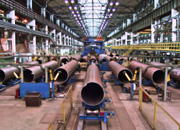 Threeway Steel is known as a professional supplier engaged in designing, manufacturing and distribution of a wide range of steel products with the headquarter located the central part of China – Hunan and six associated factories throughout China.
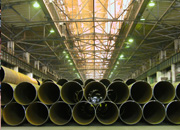 Threeway Steel is known as a professional supplier engaged in designing, manufacturing and distribution of a wide range of steel products with the headquarter located the central part of China – Hunan and six associated factories throughout China.
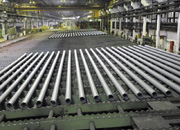 Threeway Steel is known as a professional supplier engaged in designing, manufacturing and distribution of a wide range of steel products with the headquarter located the central part of China – Hunan and six associated factories throughout China.
 Threeway Steel is known as a professional supplier engaged in designing, manufacturing and distribution of a wide range of steel products with the headquarter located the central part of China – Hunan and six associated factories throughout China.