Carbon steel square and rectangular tubes are versatile hollow structural profiles widely used in construction and manufacturing. Featuring a closed cross-section, they offer an excellent balance of high strength, rigidity, and lightweight efficiency. Square tubes provide symmetrical support for frames and columns, while rectangular tubes excel in directional load-bearing applications like beams and trusses.
These tubes are highly valued for their fabrication flexibility; their flat surfaces simplify cutting, welding, and assembly. Available in various steel grades, dimensions, and wall thicknesses, they can be customized with protective coatings to withstand corrosive outdoor environments.
What Are the Key Features of Carbon Steel Square and Rectangular Tubes?
Carbon steel square and rectangular tubes are widely used in construction because their hollow profiles combine structural performance with fabrication flexibility. They can serve as columns, beams, frames, supports, trusses, railings, and other structural or architectural components. Their exact performance depends on the steel grade, dimensions, wall thickness, manufacturing process, and application.
Key Features
Square vs. Rectangular Tubes
Key Takeaway
The key features of carbon steel square and rectangular tubes include:
-
High strength – load-bearing capacity
-
Efficient hollow design – material efficiency
-
Versatile profiles – square and rectangular options
-
Fabrication flexibility – easy processing
-
Dimensional variety – wide range of sizes
-
Durability – with appropriate protection
-
Construction compatibility – integrates with other components
Choosing between square and rectangular tubes depends on the intended application, loading direction, available space, connection requirements, and structural calculations. Steel grade, wall thickness, corrosion protection, and applicable standards should also be verified before purchase. With the right specifications, these tubes provide a reliable and practical solution for a wide range of construction projects.
How to Select Suitable Carbon Steel Square and Rectangular Tubes?
Selecting suitable carbon steel square and rectangular tubes is important for ensuring the safety, strength, and cost-effectiveness of a construction project. Different structures have different requirements for load capacity, dimensions, steel grade, corrosion resistance, and fabrication. Instead of choosing products based only on price or appearance, buyers should evaluate the following factors.
Selection Factors
Profile Selection Guide
Key Takeaway
Selecting suitable carbon steel square and rectangular tubes requires consideration of:
-
Application – intended use
-
Profile – square or rectangular
-
Steel grade – mechanical properties
-
Wall thickness – structural strength
-
Dimensions – fit and tolerances
-
Corrosion protection – environment
-
Standards – compliance
-
Fabrication – processing and connections
-
Total cost – material + logistics + processing
Common Applications of Carbon Steel Square and Rectangular Tubes in the Construction Industry
Carbon steel square and rectangular tubes are widely used in construction because they combine structural strength, efficient hollow profiles, fabrication flexibility, and a wide range of available dimensions. Depending on the steel grade, wall thickness, and design requirements, these tubes can be used for both structural and architectural purposes. Their flat surfaces also make them convenient for welding, bolting, cutting, and other fabrication processes.
Applications Overview
Profile Selection Guide
Key Takeaway
Carbon steel square and rectangular tubes have broad applications across the construction industry:
-
Building frames – secondary frames, partitions
-
Columns and supports – vertical load-bearing
-
Beams and trusses – structural members
-
Industrial buildings – warehouses, workshops
-
Staircases and railings – safety and access
-
Canopies and architectural – decorative structures
-
Platforms – equipment and maintenance access
-
Fences and gates – perimeter structures
-
Modular structures – prefabricated components
The correct application depends on the tube's steel grade, dimensions, wall thickness, loading conditions, connection method, and environmental exposure. For structural applications, professional engineering calculations should determine the final specifications. With proper selection, fabrication, corrosion protection, and installation, carbon steel tubes provide a strong and practical solution for many construction projects.
Our Carbon Steel Square and Rectangular Tube Products and Shipping Services
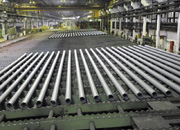
We supply premium carbon steel square and rectangular tubes, engineered to deliver exceptional strength, rigidity, and fabrication flexibility for construction and architectural projects. Available in various dimensions, wall thicknesses, and steel grades, our tubes are ideal for structural frames, columns, beams, and supports.
Quality and customization are at the core of our services. We manufacture tubes to exact specifications and offer protective surface treatments like galvanizing or painting for enhanced corrosion resistance. Comprehensive material certificates and inspection reports are provided to guarantee compliance with your project standards.
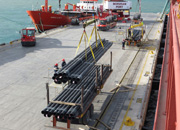
Beyond manufacturing, we provide end-to-end global shipping solutions. We understand that timely delivery is critical to maintaining project schedules. Our logistics team manages secure bundling and flexible transportation options—including container and breakbulk shipping—to prevent transit damage and ensure your steel tubes arrive safely and on time.
From technical consultation to final delivery, we provide a complete, reliable supply chain. To receive a customized product and shipping quotation, please contact us today with your required tube type, dimensions, steel grade, quantity, and delivery destination. Our expert team will recommend the optimal carbon steel tube configuration tailored to your project's exact needs.
Common Mistakes to Avoid When Selecting Carbon Steel Tubes
Choosing carbon steel square and rectangular tubes for construction projects requires more than comparing prices and dimensions. The wrong steel grade, wall thickness, or surface treatment can affect structural performance, fabrication, durability, and overall project costs. By understanding common selection mistakes, buyers and contractors can make more informed purchasing decisions.
Common Mistakes & How to Avoid Them
Quick Reference – Profile Differences
Key Takeaway
The most common carbon steel tube selection mistakes include:
-
Insufficient wall thickness – affects strength and durability
-
Wrong steel grade – inadequate mechanical properties
-
Interchanging square and rectangular – ignoring structural differences
-
Ignoring corrosion – unprotected carbon steel in harsh environments
-
Overlooking tolerances – fabrication and installation issues
-
Ignoring standards – non-compliant products
-
Focusing only on price – higher total cost
Avoiding these problems starts with clear project requirements and proper engineering analysis. By considering structural performance, fabrication, environmental conditions, quality standards, and total cost, buyers can select carbon steel square and rectangular tubes that better meet the needs of their construction projects.
Conclusion:
Carbon steel square and rectangular pipes are versatile structural materials ideal for building frames, columns, and architectural applications. However, selecting the right tube requires evaluating specific project needs rather than just price. Buyers must consider the intended application, choosing square tubes for symmetrical loads and rectangular tubes for directional strength.
Key specifications, including steel grade, wall thickness, and dimensions, should be determined by structural calculations to ensure adequate strength, ductility, and weldability. Environmental conditions are equally important; outdoor applications require protective surface treatments like galvanizing or painting to prevent corrosion. Additionally, all materials must comply with relevant industry standards (such as ASTM or EN) and include proper quality documentation.
FAQ:
1. What is the difference between square and rectangular carbon steel tubes?
Square tubes have equal width and height, while rectangular tubes have different dimensions. The best choice depends on the load direction, structural design, and available space.
2. How do I choose the right wall thickness?
Wall thickness should be based on structural loads, span, support conditions, connection design, and applicable engineering standards—not price alone.
3. Are carbon steel tubes suitable for outdoor construction?
Yes. They can be used outdoors when suitable corrosion protection, such as galvanizing or painting, is provided according to the environment.
4. Which is stronger, a square or rectangular tube?
Neither is always stronger. Strength depends on the tube's dimensions, wall thickness, steel grade, loading direction, and structural design.
5. What standards should carbon steel tubes meet?
Depending on the project and market, standards may include ASTM, EN, JIS, GB, or other applicable specifications. Always confirm the project's required standard before purchasing.
What Are the Key Features of Carbon Steel Square and Rectangular Tubes?
 Threeway Steel is known as a professional supplier engaged in manufacturing and distributing a wide range of steel pipe, and our headquarter located the central part of China – Hunan and six associated factories throughout China.
 Threeway Steel is known as a professional supplier engaged in designing, manufacturing and distribution of a wide range of steel products with the headquarter located the central part of China – Hunan and six associated factories throughout China.
 Threeway Steel is known as a professional supplier engaged in designing, manufacturing and distribution of a wide range of steel products with the headquarter located the central part of China – Hunan and six associated factories throughout China.
 Threeway Steel is known as a professional supplier engaged in designing, manufacturing and distribution of a wide range of steel products with the headquarter located the central part of China – Hunan and six associated factories throughout China.
 Threeway Steel is known as a professional supplier engaged in designing, manufacturing and distribution of a wide range of steel products with the headquarter located the central part of China – Hunan and six associated factories throughout China.