Seel Pipes are essential components in industrial systems, transporting fluids and providing structural support. Because operating conditions vary significantly, no single pipe type suits every application. Common options include carbon steel for high strength and cost-effectiveness, stainless steel for corrosion resistance, galvanized steel for environmental protection, alloy steel for extreme temperatures, and plastic for lightweight chemical resistance.
Selecting the right industrial pipe requires evaluating critical factors such as operating pressure, temperature, fluid characteristics, and applicable industry standards. Both manufacturing methods (seamless vs. welded) and specific dimensions must align with the system's mechanical loads and expected service life. Choosing an unsuitable pipe can lead to increased maintenance, premature failure, or severe safety hazards.
Common Types of Pipes Used in Industrial Applications
Different industrial applications require pipes with different levels of strength, corrosion resistance, temperature resistance, and durability. The most suitable pipe depends on the operating environment, transported medium, pressure, temperature, and applicable standards. The following are some of the most commonly used pipe types in industry.
Pipe Types Comparison
|
Pipe Type
|
Key Features
|
Main Advantages
|
Common Applications
|
|
Carbon Steel
|
High strength, durable, cost-effective, wide size/grade range
|
High mechanical strength, good pressure resistance, suitable for demanding applications, good performance/cost balance
|
Water, oil, gas, steam transport; structural applications—may require coatings/linings for corrosion
|
|
Stainless Steel
|
Chromium content—strong corrosion/oxidation resistance, smooth surface
|
Excellent corrosion resistance, good high-temp/oxidation resistance, easy-to-clean surfaces, long service life, hygienic
|
Chemical processing, food/beverage, pharmaceutical, water treatment, petrochemical—select grade per environment
|
|
Galvanized Steel
|
Zinc coating for corrosion protection
|
Good corrosion protection, durable surface coating, low maintenance, good durability/cost balance
|
Water supply, construction, fencing, outdoor applications
|
|
Alloy Steel
|
Additional alloying elements for improved strength, temperature, or wear resistance
|
High strength at elevated temperatures, good pressure resistance, improved mechanical performance
|
Power plants, boilers, petrochemical, high-temp/high-pressure systems
|
|
Plastic (PVC, CPVC, HDPE)
|
Lightweight, chemical resistance, easy handling
|
Lightweight, easy to install, resistant to many chemicals, no steel rust, low maintenance
|
Water treatment, drainage, chemical handling—check temperature/pressure ratings for limitations
|
Selection Factors
Key Takeaway
-
Carbon steel – strength and cost-effectiveness
-
Stainless steel – excellent corrosion resistance
-
Galvanized steel – zinc coating for corrosion protection
-
Alloy steel – demanding high-temp/high-pressure conditions
-
Plastic – low weight and chemical resistance
Selecting the appropriate type based on actual operating requirements is essential for a reliable industrial piping system.
How to Choose the Right Pipe for an Industrial Application?
Choosing the right pipe is essential for the safety, efficiency, and service life of an industrial piping system. Different applications have different requirements, so pipe selection should be based on actual operating conditions rather than price or material alone. The following factors should be considered before placing an order.
Selection Factors
Quick Selection Checklist
Key Takeaway
Selecting the right industrial pipe requires a balanced evaluation of:
-
Pressure – strength and wall thickness
-
Temperature – material performance
-
Transported medium – chemical compatibility
-
Corrosion resistance – protection needs
-
Mechanical requirements – loads and support
-
Standards – compliance
-
Cost – lifecycle valuehttp://www.srtsteelpipe.com/product.html
-
Availability – supply and logistics
By matching the pipe's properties to the actual operating conditions, businesses can improve system reliability, control long-term costs, and reduce the risk of premature failure.
Comparison of Common Industrial Pipe Types
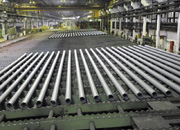
We supply a comprehensive range of industrial pipes, including carbon steel, stainless steel, galvanized, and alloy steel options. Available in both seamless and welded configurations, our pipes are engineered to deliver exceptional strength, corrosion resistance, and reliable performance for diverse construction and industrial applications.
Quality and customization are at the core of our services. We manufacture pipes to exact specifications and provide comprehensive test certificates and inspection reports to guarantee compliance with your project standards.
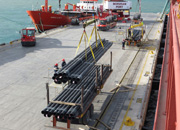
Beyond manufacturing, we provide end-to-end global shipping solutions. We understand that timely delivery is critical to maintaining project schedules. Our logistics team manages secure bundling and flexible transportation options—including container, bulk, and truck freight—to prevent transit damage and ensure your pipes arrive safely and on time.
From technical consultation to final delivery, we provide a complete, reliable supply chain. To receive a customized product and shipping quotation, please contact us today with your required pipe type, dimensions, steel grade, quantity, and delivery destination. Our expert team will recommend the optimal industrial pipe configuration tailored to your project's exact needs.
Conclusion
Industrial pipes are essential for fluid transport and structural applications. Because operating conditions vary significantly, selecting the right material—whether carbon steel, stainless steel, galvanized, alloy, or plastic—is critical for ensuring system safety, durability, and cost-efficiency.
There is no universal solution. The ideal pipe must be carefully matched to specific operational factors, including pressure, temperature, fluid characteristics, and environmental corrosion. Additionally, buyers must consider manufacturing methods, pipe specifications, and applicable industry standards to prevent compatibility issues.
FAQ:
1. What is the most commonly used pipe in industrial applications?
Carbon steel pipes are among the most widely used because they offer high strength, durability, versatility, and relatively good cost-effectiveness.
2. Which type of pipe is best for corrosive environments?
Stainless steel is often a good choice for corrosive environments because of its excellent corrosion resistance. Suitable plastic or alloy pipes may also be considered depending on the specific conditions.
3. What is the difference between carbon steel and stainless steel pipes?
Carbon steel generally offers high strength and lower cost, while stainless steel provides better corrosion resistance and is often preferred for demanding or hygienic applications.
4. How do I choose the right industrial pipe?
Consider the operating pressure, temperature, transported medium, corrosion conditions, mechanical requirements, applicable standards, installation needs, and total cost before selecting a pipe.
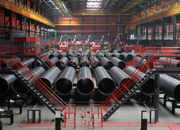 Threeway Steel is known as a professional supplier engaged in manufacturing and distributing a wide range of steel pipe, and our headquarter located the central part of China – Hunan and six associated factories throughout China.
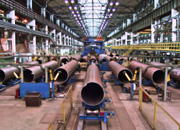 Threeway Steel is known as a professional supplier engaged in designing, manufacturing and distribution of a wide range of steel products with the headquarter located the central part of China – Hunan and six associated factories throughout China.
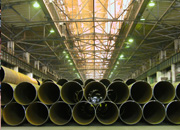 Threeway Steel is known as a professional supplier engaged in designing, manufacturing and distribution of a wide range of steel products with the headquarter located the central part of China – Hunan and six associated factories throughout China.
 Threeway Steel is known as a professional supplier engaged in designing, manufacturing and distribution of a wide range of steel products with the headquarter located the central part of China – Hunan and six associated factories throughout China.
 Threeway Steel is known as a professional supplier engaged in designing, manufacturing and distribution of a wide range of steel products with the headquarter located the central part of China – Hunan and six associated factories throughout China.