Oil drill pipes are critical components in oil and gas exploration, transmitting rotation and circulating fluids under extreme torque and pressure. Manufactured from high-strength alloy steel, they ensure operational safety and efficiency in demanding environments.
Available types include standard, heavy weight (HWDP), and premium drill pipes, tailored for conventional, deep, and directional drilling. Beyond oil and gas, they are also widely used in geothermal and mining exploration due to their superior fatigue resistance and durability.
What Is Oil Drill Pipe?
Oil drill pipe is a specialized steel tube used in oil and gas exploration to connect surface rigs with downhole tools. It transmits rotation torque and circulates drilling fluids—making it essential for drilling efficiency and safety.
Key Components: The pipe body, tool joints, and threaded connections work together to form a continuous drill string capable of withstanding high loads and fluid pressures.
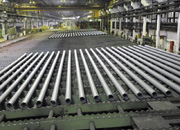
Manufacturing: Made from high-strength alloy steel, drill pipes undergo precise forming, heat treatment, tool joint processing, and thread machining to ensure durability and reliability.
Performance Requirements: Quality drill pipes must offer high tensile strength, torque capacity, fatigue resistance, pressure integrity, and wear resistance—critical for deep, complex wells.
Applications: Used in onshore and offshore drilling, directional drilling, geothermal projects, and mining exploration.
With increasing demand for deeper and more challenging wells, selecting high-quality drill pipe is vital to reducing operational risks and improving overall drilling performance.
Types and Specifications of Oil Drill Pipe
Selecting the appropriate oil drill pipe is essential for optimizing drilling efficiency and ensuring operational safety. Drill pipes are categorized into different types based on well depth, drilling methods, and load requirements, and they are defined by precise mechanical specifications.
Summary of Drill Pipe Types and Grades
|
Drill Pipe Type
|
Key Characteristics
|
Ideal Applications
|
|
Standard Drill Pipe
|
Balanced strength, flexibility, and cost-efficiency
|
Conventional oil/gas wells, general drilling
|
|
HWDP
|
Thicker walls, reduces stress concentration
|
Directional drilling, deep/horizontal wells
|
|
High-Strength Drill Pipe
|
Superior tensile strength and torque performance
|
Extended-reach wells, harsh offshore environments
|
|
Premium Drill Pipe
|
Strict inspection, maximum reliability
|
Critical operations requiring extended service life
|
Common Steel Grades at a Glance
|
Steel Grade
|
Performance Level
|
Typical Use Case
|
|
E75
|
Standard
|
General drilling applications
|
|
X95
|
Improved Strength
|
Deeper wells
|
|
G105
|
High Strength
|
Demanding drilling operations
|
|
S135
|
Very High Strength
|
Deep drilling and extreme conditions
|
Applications and Advantages of Oil Drill Pipe
Oil drill pipes are vital for transmitting torque, supporting loads, and circulating fluids in drilling operations. Their strength and reliability make them suitable for diverse applications—from oil exploration to geothermal projects.
Applications Overview
Key Advantages
Our Oil Drill Pipe Solutions & Global Shipping
We supply high-quality oil drill pipes for oil and gas exploration, directional drilling, geothermal, and mining projects—backed by strict quality control and reliable logistics.
Product Range: API 5DP, E75, X95, G105, S135 grades, Heavy Weight Drill Pipe (HWDP), and premium connection pipes. Custom sizes, steel grades, and thread types available.
Quality Assurance: Every pipe undergoes material testing, mechanical property checks, heat treatment inspection, dimensional verification, and non-destructive testing. Third-party inspections (SGS, BV, etc.) supported.
Packaging: Thread protectors, steel bundling, waterproof wrapping, and custom options prevent thread damage, scratches, and moisture during transit.
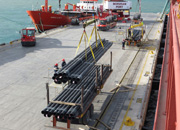
Global Shipping: We export worldwide via sea, rail, or air. Flexible trade terms (EXW, FOB, CFR, CIF, DDP) and complete documentation ensure smooth delivery. FCL and LCL shipments available with real-time tracking.
From product selection to final delivery, our team provides technical support and responsive service. Choose us for reliable drill pipes, competitive pricing, and dependable global logistics.
How to Choose the Right Oil Drill Pipe
Selecting the correct drill pipe improves drilling efficiency, reduces downtime, and lowers costs. Evaluate well depth, steel grade, dimensions, connection type, environment, and supplier reliability.
Conclusion
Oil drill pipe is vital for efficient and safe drilling—whether in oil and gas exploration, directional drilling, geothermal, or mining. Available in various grades (E75, X95, G105, S135) and types (standard, heavy weight, premium), the right pipe ensures reliable torque transmission, pressure resistance, and fatigue performance under extreme conditions.
Key advantages include high tensile strength, durability, and reduced downtime. Selection must consider well depth, operating environment, connection type, and equipment compatibility—mismatched pipes increase failure risks and costs.
FAQ:
Q1: What is the difference between drill pipe and drill collar?
Explain the differences in structure, function, weight, and position in the drilling string.
Q2: What are the most common grades of oil drill pipe?
Explain E75, X95, G105, and S135 grades and their typical applications.
Q3: How long does an oil drill pipe usually last?
Discuss factors affecting service life, including drilling conditions, maintenance, handling, and inspection.
Q4: What size drill pipe is commonly used for oil drilling?
Explain common outer diameters, wall thicknesses, and how specifications are selected.
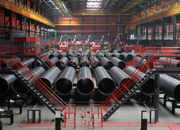 Threeway Steel is known as a professional supplier engaged in manufacturing and distributing a wide range of steel pipe, and our headquarter located the central part of China – Hunan and six associated factories throughout China.
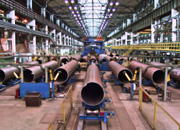 Threeway Steel is known as a professional supplier engaged in designing, manufacturing and distribution of a wide range of steel products with the headquarter located the central part of China – Hunan and six associated factories throughout China.
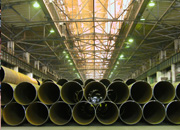 Threeway Steel is known as a professional supplier engaged in designing, manufacturing and distribution of a wide range of steel products with the headquarter located the central part of China – Hunan and six associated factories throughout China.
 Threeway Steel is known as a professional supplier engaged in designing, manufacturing and distribution of a wide range of steel products with the headquarter located the central part of China – Hunan and six associated factories throughout China.
 Threeway Steel is known as a professional supplier engaged in designing, manufacturing and distribution of a wide range of steel products with the headquarter located the central part of China – Hunan and six associated factories throughout China.