Seamless steel pipes are vital in oil and gas, machinery, and construction industries. However, manufacturing and storage can leave oxide scale, rust, and oil stains on their surfaces. Pickling is a crucial surface treatment that uses acidic solutions to remove these impurities, leaving a clean metal surface ideal for further processing.
Whether seamless steel pipes require pickling depends on the manufacturing process, material, and final application. Hot-rolled pipes and those used in precision machinery or hydraulic systems often need pickling to ensure optimal surface cleanliness. This treatment offers significant benefits, including improved coating adhesion, better welding results, and reduced corrosion risks. However, evaluating specific operating conditions is essential to avoid unnecessary processing costs or insufficient surface preparation.
Under What Circumstances Do Seamless Steel Pipes Need Pickling?
Pickling is a crucial surface treatment, but not every seamless steel pipe requires it. The necessity depends on the manufacturing process, surface condition, and final application. Below is a quick guide to the primary circumstances where pickling is required:
|
Circumstance
|
Reason & Benefit
|
|
After Hot Rolling / Heat Treatment
|
High-temperature processing creates an oxide scale layer. Pickling removes this scale to restore a clean metal surface for subsequent machining.
|
|
Before Galvanizing or Coating
|
Ensures optimal coating adhesion. Removing oil, rust, or oxide residues prevents premature coating failure and improves corrosion protection.
|
|
Presence of Rust or Contamination
|
Eliminates rust spots, oil stains, and impurities accumulated during storage and transportation, preparing the pipe for immediate use.
|
|
High Surface Quality Requirements
|
Essential for precision machinery, hydraulic equipment, and automotive components where strict cleanliness ensures stable performance.
|
|
Before Welding or Machining
|
Removes surface oxides and contaminants to prevent welding defects and improve the consistency of manufactured components.
|
Conclusion: Seamless steel pipes generally require pickling when surface cleanliness, corrosion resistance, or processing performance must be enhanced. Evaluating these specific needs ensures improved pipe quality and extended service life.
Advantages of Pickling Treatment for Seamless Steel Pipes
Pickling is a vital surface treatment that uses chemical solutions to remove oxide scale, rust, and impurities from seamless steel pipes. While it significantly enhances surface quality and prepares pipes for further applications, it also carries specific limitations. Below is a concise overview of the key benefits and drawbacks:
|
Category
|
Key Points
|
|
Advantages
|
1. Improves Surface Cleanliness: Effectively removes oxidation and rust, restoring a clean metal surface essential for precision machinery and hydraulic equipment.
2. Enhances Coating & Processing: Ensures better adhesion for painting and galvanizing, preventing premature failure, and prepares the surface for cold drawing or machining.
3. Improves Appearance & Inspection: Creates a uniform finish that makes it easier to detect visible defects during quality control.
4. Meets Strict Industrial Standards: Ensures high cleanliness for high-pressure systems and environments where surface quality directly impacts performance.
|
|
Limitations
|
1. Risk of Surface Damage: Improper control of acid concentration, temperature, or time can cause over-pickling and surface corrosion.
2. Does Not Repair Structural Defects: It only cleans the surface and cannot fix internal cracks or poor mechanical properties.
3. Requires Strict Environmental Management: Involves handling hazardous chemical solutions, necessitating careful safety procedures and wastewater treatment.
4. Not Always Necessary: Depending on the manufacturing process and final application, other surface treatments may be sufficient for general-purpose pipes.
|
Conclusion: Pickling is highly effective for improving surface quality and coating performance, but it must be applied based on specific project requirements. Evaluating both its advantages and limitations ensures that seamless steel pipes achieve optimal durability and service life.
Our Seamless Steel Pipe Products and Shipping Information
As a professional supplier, we provide premium seamless steel pipes tailored for the oil and gas, chemical, and construction industries. Our comprehensive product line includes cost-effective carbon steel pipes for general fluid transport, high-temperature alloy steel pipes for power plants, and corrosion-resistant stainless steel pipes for food and pharmaceutical applications.
To meet diverse project needs, we offer customized surface treatments, including pickling to remove oxide scale and polishing for a smooth finish. We also provide tailored dimensions and processing services.
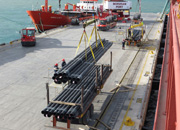
Safe delivery is our priority. Pipes are securely bundled, wrapped, and protected with waterproof materials and end caps to prevent transit damage. We support flexible shipping options, including sea, air, and land freight, depending on order volume and urgency. All shipments include complete export documentation and quality inspection certificates.
Whether you require standard industrial pipes or specialized solutions, our reliable products, professional processing, and efficient logistics ensure your projects receive dependable, high-performance seamless steel pipes.
How to Choose Whether Seamless Steel Pipes Require Pickling?
Deciding whether seamless steel pipes require pickling depends on manufacturing methods, surface conditions, and final applications. While pickling is highly effective, it is not always necessary. Below is a quick guide to help you evaluate your specific needs:
|
Evaluation Factor
|
Key Considerations
|
|
1. Manufacturing Process
|
Hot-rolled pipes: High-temperature processing creates oxide scale, making pickling highly recommended.
Cold-drawn pipes: Generally have smoother surfaces and may require less intensive treatment or specific finishing.
|
|
2. Surface Condition
|
Ideal for pickling: Removing manufacturing oxide scale, storage rust, and processing residues.
Not suitable: Pickling cannot repair structural defects like deep scratches or cracks; other repair methods are needed.
|
|
3. Final Application
|
High-cleanliness needs: Essential for chemical processing, hydraulic systems, and precision machinery to improve coating adhesion.
General structural use: May not require pickling if the existing surface quality is sufficient.
|
|
4. Additional Processing
|
Pre-treatment: Crucial before painting, galvanizing, or precision machining to remove oxides and impurities for better processing results.
|
|
5. Supplier Consultation
|
Expert evaluation: Always consult experienced suppliers to assess material grades, environmental factors, and quality standards to avoid unnecessary costs.
|
Conclusion: Seamless steel pipes require pickling primarily when surface cleanliness, coating performance, or processing quality is critical. By carefully evaluating these factors, customers can optimize pipe performance and control costs effectively.
Conclusion: When Should Seamless Steel Pipes Be Pickled?
Pickling is a valuable surface treatment that removes oxide scale, rust, and impurities from seamless steel pipes, preparing them for further processing. However, it is not universally required. Hot-rolled pipes typically need pickling to eliminate high-temperature oxidation, while pipes destined for strict environments like hydraulic systems, chemical equipment, and precision machinery also benefit from this enhanced cleanliness.
It is important to note that pickling only addresses surface contaminants and cannot repair internal structural defects. Furthermore, improper processing can damage the pipe, making professional control essential. When deciding on this treatment, evaluate the manufacturing method, storage conditions, and whether subsequent processes like coating or machining are planned to avoid unnecessary costs.
FAQ:
FAQ 1: Is pickling necessary for all seamless steel pipes?
No. Pickling is not required for every seamless steel pipe. The need depends on factors such as manufacturing method, surface condition, final application, and whether additional treatments like coating or painting will be applied.
FAQ 2: What defects can pickling remove from seamless steel pipes?
Pickling can remove surface oxide scale, rust, and certain processing residues. However, it cannot repair deep cracks, severe mechanical damage, or internal defects in the steel pipe.
FAQ 3: What is the difference between pickled and non-pickled seamless steel pipes?
Pickled seamless steel pipes have cleaner surfaces with oxide layers and rust removed, making them more suitable for coating, precision processing, and applications requiring higher surface quality.
FAQ 4: Can pickling improve the corrosion resistance of seamless steel pipes?
Pickling improves surface cleanliness and helps prepare pipes for protective treatments, but it does not replace corrosion-resistant materials or coatings. The final corrosion resistance depends on the steel grade and protective measures.
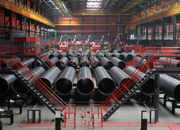 Threeway Steel is known as a professional supplier engaged in manufacturing and distributing a wide range of steel pipe, and our headquarter located the central part of China – Hunan and six associated factories throughout China.
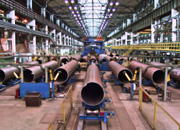 Threeway Steel is known as a professional supplier engaged in designing, manufacturing and distribution of a wide range of steel products with the headquarter located the central part of China – Hunan and six associated factories throughout China.
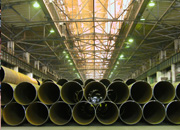 Threeway Steel is known as a professional supplier engaged in designing, manufacturing and distribution of a wide range of steel products with the headquarter located the central part of China – Hunan and six associated factories throughout China.
 Threeway Steel is known as a professional supplier engaged in designing, manufacturing and distribution of a wide range of steel products with the headquarter located the central part of China – Hunan and six associated factories throughout China.
 Threeway Steel is known as a professional supplier engaged in designing, manufacturing and distribution of a wide range of steel products with the headquarter located the central part of China – Hunan and six associated factories throughout China.