Pipeline systems in oil and gas, water supply, and chemical processing face severe challenges from corrosion and heat loss. To ensure long-term performance and energy efficiency, anti-corrosion pipes and heat-insulating pipes have become essential engineering solutions.
Anti-corrosion pipes utilize advanced protective barriers, such as 3PE, FBE, epoxy coatings, or galvanization, to shield steel from moisture, soil, and chemical damage. This protection maintains structural integrity and significantly extends the pipeline's service life. Heat-insulating pipes feature specialized layers, like polyurethane foam or mineral wool, to minimize heat transfer. They are crucial for transporting temperature-sensitive media, helping to reduce heat loss, maintain stable operating temperatures, and improve overall energy efficiency.
Combining anti-corrosion protection with thermal insulation offers superior durability and lower operating costs. This dual functionality is especially valuable in district heating networks and long-distance oil and gas transportation. Selecting the right pipeline requires careful evaluation of working temperatures, media types, pressure requirements, and environmental conditions.
Anti-Corrosion Pipes and Heat-Insulating Pipes
Steel pipes with protective coatings to prevent corrosion from moisture, chemicals, soil, and oxygen.
Applications: Underground pipelines, oil/gas transport, water supply, chemical pipelines, offshore projects.
Heat-Insulating Pipes
Steel pipes with insulation layers to reduce heat loss or maintain temperature stability.
Applications: District heating, steam transport, hot water supply, energy projects, industrial production.
Combined Solution
Underground heating pipelines often require both corrosion protection and thermal insulation—reducing energy loss and preventing environmental corrosion.
Advantages of Anti-Corrosion Pipes and Heat-Insulating Pipes
Anti-corrosion and heat-insulating pipes improve protection, efficiency, and service life—reducing long-term operating costs and maintenance requirements.
Anti-Corrosion Pipes – Key Advantages
|
Advantage
|
Description
|
|
Excellent Corrosion Resistance
|
3PE, FBE, epoxy coatings protect against moisture, chemicals, soil, salt, pollutants—ideal for underground, marine, and industrial systems
|
|
Longer Service Life
|
Slows corrosion; maintains mechanical strength—reduces repairs/replacements
|
|
Improved Safety
|
Prevents wall weakening—reduces leak/failure risks in oil, gas, water, chemical pipelines
|
|
Reduced Maintenance Costs
|
Better protection means fewer repairs—lower operating expenses
|
Heat-Insulating Pipes – Key Advantages
|
Advantage
|
Description
|
|
Reduced Heat Loss
|
Insulation maintains transported material temperature—improves energy efficiency for district heating, hot water, steam, energy projects
|
|
Energy Savings
|
Lowers fuel consumption—reduces operating costs
|
|
Stable Temperature Control
|
Consistent temperatures—critical for product quality and system efficiency
|
|
Environmental Protection
|
Insulation reduces impact of cold weather, temperature fluctuations
|
Combined Benefits
How to Choose the Right Anti-Corrosion and Heat-Insulating Pipes?
Selecting the right pipes ensures safety, efficiency, and long-term performance. Evaluate application requirements, anti-corrosion protection, insulation materials, quality, installation, and lifecycle costs.
Selection Guide
|
Factor
|
Key Considerations
|
|
Application Requirements
|
Transport medium (water, oil, gas, steam, chemicals); working temperature; operating pressure; environmental conditions (underground, offshore, outdoor, industrial)
|
|
Anti-Corrosion Protection
|
3PE (underground/long-distance, excellent protection); FBE (adhesion, chemical resistance); Epoxy (moisture/chemical barrier); Galvanized (zinc protection)
|
|
Insulation Material
|
Polyurethane foam (thermal insulation, pre-insulated systems); Mineral wool (high-temperature); Rock wool (thermal resistance, industrial)
|
|
Product Quality & Standards
|
Manufacturing experience, production technology, QC procedures, material certifications, inspection reports
|
|
Installation & Maintenance
|
Transportation, welding, connection procedures, site conditions; future maintenance requirements reduce lifecycle costs
|
|
Quality vs Cost
|
Balance initial cost with long-term value—higher quality reduces maintenance and replacement expenses
|
Summary
Our Anti-Corrosion and Heat-Insulating Pipe Products & Global Shipping
Ensure long-term pipeline performance and energy efficiency with our premium anti-corrosion and heat-insulating pipe solutions. We supply high-quality pipeline products tailored for the oil and gas, district heating, and chemical processing industries.
Our extensive product lineup includes:
-
3PE & FBE Coated Steel Pipes: Providing superior protection against moisture, soil, and chemical corrosion for underground and industrial pipelines.
-
Polyurethane Pre-Insulated Pipes: Designed to minimize heat loss and maximize energy efficiency in hot water and steam transportation systems.
-
Anti-Corrosion Spiral Welded Pipes: Delivering high structural strength and durability for large-scale infrastructure projects.
-
Customized Pipeline Solutions: Engineered to meet your exact specifications for diameter, wall thickness, and insulation levels.
Backed by advanced manufacturing technology and strict quality control, every pipe undergoes rigorous inspections to guarantee coating performance, thermal efficiency, and dimensional accuracy. We also offer competitive factory-direct pricing and expert technical support to help you select the ideal pipeline solution.
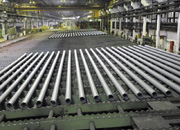
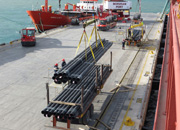
To serve global clients, we provide secure, export-standard packaging and flexible shipping options via sea, rail, or air. Our experienced logistics team optimizes container loading and handles all necessary export documentation, including Certificates of Origin and quality certificates, for seamless customs clearance. Partner with us for reliable pipeline systems and efficient global delivery. Contact us today for a customized quote!
Conclusion
Anti-corrosion and heat-insulating pipes are essential for enhancing the reliability, energy efficiency, and service life of modern pipeline systems across the oil and gas, water supply, and chemical processing industries.
Anti-corrosion pipes utilize advanced protective barriers, such as 3PE, FBE, epoxy, and galvanized coatings, to shield steel from moisture, soil, and chemical damage. This protection maintains structural integrity, prevents rust, and significantly reduces long-term maintenance costs. Heat-insulating pipes, featuring materials like polyurethane foam or mineral wool, minimize heat transfer and maintain stable operating temperatures. This is crucial for transporting temperature-sensitive media, helping to reduce heat loss and lower operating expenses. Combining both functionalities provides an integrated solution ideal for underground heating networks and long-distance transportation.
FAQ:
FAQ 1: What is the difference between anti-corrosion pipes and heat-insulating pipes?
Explain that anti-corrosion pipes focus on preventing corrosion, while heat-insulating pipes focus on controlling heat transfer.
Mention that some products combine both functions.
FAQ 2: Where are anti-corrosion and heat-insulating pipes commonly used?
Discuss applications in heating systems, oil and gas pipelines, chemical industries, and water transportation.
FAQ 3: How long is the service life of anti-corrosion and heat-insulating pipes?
Explain that service life depends on materials, coating quality, operating conditions, and maintenance.
FAQ 4: How should I choose suitable anti-corrosion and heat-insulating pipes?
Explain the importance of considering temperature, pressure, medium, environment, and project requirements.
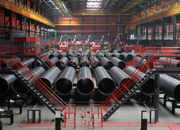 Threeway Steel is known as a professional supplier engaged in manufacturing and distributing a wide range of steel pipe, and our headquarter located the central part of China – Hunan and six associated factories throughout China.
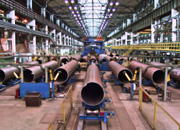 Threeway Steel is known as a professional supplier engaged in designing, manufacturing and distribution of a wide range of steel products with the headquarter located the central part of China – Hunan and six associated factories throughout China.
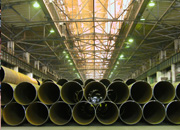 Threeway Steel is known as a professional supplier engaged in designing, manufacturing and distribution of a wide range of steel products with the headquarter located the central part of China – Hunan and six associated factories throughout China.
 Threeway Steel is known as a professional supplier engaged in designing, manufacturing and distribution of a wide range of steel products with the headquarter located the central part of China – Hunan and six associated factories throughout China.
 Threeway Steel is known as a professional supplier engaged in designing, manufacturing and distribution of a wide range of steel products with the headquarter located the central part of China – Hunan and six associated factories throughout China.