Hot-rolled seamless steel pipes are vital industrial components widely used in the oil and gas, chemical, and power generation sectors. Manufactured without welded seams through a high-temperature piercing and rolling process, they offer uniform strength and superior resistance to internal pressure compared to welded alternatives.
These pipes excel in high-pressure and heavy-load environments, making them ideal for boilers, pipelines, and industrial machinery. Available in carbon, alloy, and stainless steel, they can be tailored to withstand extreme temperatures and corrosive conditions. However, buyers should note that their complex manufacturing results in higher costs and lower dimensional accuracy compared to cold-processed pipes, which may require additional machining for precision applications.
Advantages of Hot-Rolled Seamless Steel Pipes
Hot-rolled seamless steel pipes offer high strength, pressure resistance, excellent mechanical properties, and wide application flexibility—making them ideal for demanding industries like oil and gas, chemical processing, power generation, and heavy-duty construction.
Key Advantages
Summary
Disadvantages of Hot-Rolled Seamless Steel Pipes
While hot-rolled seamless steel pipes offer excellent strength and durability, they have limitations—higher cost, limited size options, lower surface finish, heavier weight, and complex handling requirements—that should be considered when selecting materials.
Key Disadvantages
Summary
Applications and How to Choose Hot-Rolled Seamless Steel Pipes
Hot-rolled seamless steel pipes are essential in oil and gas, chemical, power, construction, and machinery industries—offering high strength, pressure resistance, and durability for demanding applications.
Key Applications
How to Choose the Right Pipes
Summary
Recommended Products + Shipping Information
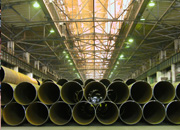
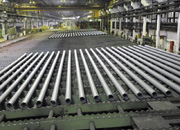
we supply premium hot-rolled seamless steel pipes tailored for the oil and gas, chemical, and power generation industries. Our comprehensive product line includes cost-effective carbon steel pipes for general structural use, high-temperature alloy steel pipes for boilers and pressure equipment, and corrosion-resistant stainless steel pipes for harsh and hygienic environments.
We stand out through strict quality control, accurate dimensions, and fully customized sizing and processing services. Our expert technical support ensures you select the optimal material to meet your exact project standards.
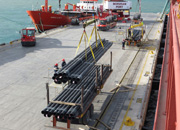
To guarantee safe transit, all pipes are securely bundled with steel straps and protected against moisture and surface damage. We offer flexible global shipping options, including cost-effective sea freight for large-volume orders and air freight for urgent deliveries. Complete export documentation, such as material certificates and inspection reports, is provided for seamless customs clearance.
Conclusion
Hot-rolled seamless steel pipes are essential for industries demanding high strength and pressure resistance, including oil and gas, power generation, and chemical processing. Their seamless structure provides uniform strength and superior reliability compared to welded alternatives, making them ideal for critical systems like pressure pipelines and boilers.
Available in carbon, alloy, and stainless steel, these pipes can be tailored to diverse environments, from general structural use to high-temperature and highly corrosive applications.
Selecting the right hot-rolled seamless steel pipe requires evaluating working pressure, temperature, corrosion conditions, and budget. Partnering with a reliable supplier is crucial for ensuring product quality, obtaining customized specifications, and securing efficient global shipping and inspection documentation. As modern engineering continues to prioritize safety and long-term performance, these pipes remain a vital component.
FAQ:
FAQ 1: What are the main advantages of hot-rolled seamless steel pipes?
Answer:
Hot-rolled seamless steel pipes offer high strength, excellent pressure resistance, good toughness, and reliable performance in demanding environments. Their seamless structure makes them suitable for high-pressure and heavy-duty applications.
FAQ 2: What are the disadvantages of hot-rolled seamless steel pipes?
Answer:
The main disadvantages include higher production costs, limited size availability for some specifications, and lower surface accuracy compared with cold-processed pipes. Additional processing may be required for applications with strict dimensional requirements.
FAQ 3: Are hot-rolled seamless steel pipes suitable for high-temperature applications?
Answer:
Yes. Hot-rolled seamless steel pipes are commonly used in high-temperature environments such as power plants, boilers, and chemical processing systems, especially when suitable alloy materials are selected.
FAQ 4: How do I choose the right seamless steel pipe?
Answer:
The selection should be based on operating conditions, including pressure, temperature, corrosion environment, required dimensions, material grade, and project requirements. Consulting a professional supplier can help ensure the correct choice.
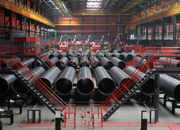 Threeway Steel is known as a professional supplier engaged in manufacturing and distributing a wide range of steel pipe, and our headquarter located the central part of China – Hunan and six associated factories throughout China.
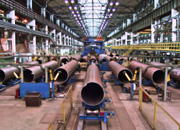 Threeway Steel is known as a professional supplier engaged in designing, manufacturing and distribution of a wide range of steel products with the headquarter located the central part of China – Hunan and six associated factories throughout China.
 Threeway Steel is known as a professional supplier engaged in designing, manufacturing and distribution of a wide range of steel products with the headquarter located the central part of China – Hunan and six associated factories throughout China.
 Threeway Steel is known as a professional supplier engaged in designing, manufacturing and distribution of a wide range of steel products with the headquarter located the central part of China – Hunan and six associated factories throughout China.
 Threeway Steel is known as a professional supplier engaged in designing, manufacturing and distribution of a wide range of steel products with the headquarter located the central part of China – Hunan and six associated factories throughout China.