ASTM A53 Grade B steel pipe is a versatile carbon steel pipe widely used in general industrial and mechanical applications. Available in both seamless and welded forms, as well as black or hot-dip galvanized finishes, it offers an excellent balance of strength, weldability, and cost-efficiency.
Grade B provides higher minimum yield and tensile strength compared to Grade A, making it ideal for transporting water, steam, air, and other fluids in cooling systems, fire protection, and utility piping. Its standardized dimensions and broad availability make it a practical choice for various industrial projects.
Advantages of ASTM A53 Grade B Steel Pipe
ASTM A53 Grade B steel pipe is widely used in industrial piping because it provides a practical balance of strength, weldability, versatility, availability, and cost. It can be supplied as seamless or welded pipe and is suitable for many general-purpose piping systems when the material, dimensions, pressure, and temperature requirements are properly matched.
Key Advantages
Summary Table
Key Takeaway
The main advantages of ASTM A53 Grade B steel pipe include:
-
Good mechanical strength – Grade B yield and tensile
-
Weldability – fabrication-friendly
-
Application flexibility – water, air, steam, fire protection
-
Standardized dimensions – compatibility
-
Seamless and welded options – manufacturing flexibility
-
Cost efficiency – economical for general industrial use
ASTM A53 Grade B should be selected according to actual service conditions—confirm pressure, temperature, pipe dimensions, manufacturing method, surface treatment, testing requirements, and applicable codes before ordering.
Typical Applications of ASTM A53 Grade B Steel Pipe
ASTM A53 Grade B steel pipe is widely used in industrial and utility piping systems because of its combination of strength, weldability, standardized dimensions, and availability. It can be supplied as seamless or welded pipe and is commonly used to transport water, steam, air, and other suitable fluids.
Applications Overview
Factors to Consider Before Application
Key Takeaway
ASTM A53 Grade B steel pipe is commonly used for:
-
Water supply – process, utility, cooling water
-
Cooling-water systems – heat exchangers, pumps
-
Steam and utility piping – low/moderate temperature
-
Compressed air – factories, workshops
-
Fire protection – sprinkler systems (where permitted)
-
Industrial process piping – general utility services
-
Mechanical and construction – supports, sleeves, fabricated assemblies
ASTM A53 Grade B is not a universal solution. For high-temperature, highly corrosive, or otherwise demanding service, another pipe specification or material may be required. Proper selection based on actual operating conditions is essential for safe and reliable piping performance.
ASTM A53 Grade B vs. Other Carbon Steel Pipes
ASTM A53 Grade B steel pipe is widely used in industrial and utility piping systems due to its strength, weldability, standardized dimensions, and availability. It can be supplied as seamless or welded pipe and is commonly used to transport water, steam, air, and other suitable fluids.
Note: Actual application should always be confirmed based on pressure, temperature, fluid characteristics, pipe dimensions, and applicable engineering standards.
Typical Applications at a Glance
Factors to Consider Before Application
Summary
ASTM A53 Grade B steel pipe is commonly used for water, cooling water, suitable steam, compressed air, fire protection, and general industrial utility piping. Its versatility and availability make it a practical choice for many projects.
However, it is not a universal solution. For high-temperature, highly corrosive, or demanding service, another pipe specification or material may be required. Proper selection based on actual operating conditions is essential for safe and reliable performance.
ASTM A53 Grade B vs. Other Carbon Steel Pipes
ASTM A53 Grade B is one of the most widely used carbon steel pipe grades for general industrial piping. However, it is not the only option. Depending on pressure, temperature, fluid type, and application, buyers may also consider ASTM A106 or API 5L pipe.
Each specification is designed for different purposes. Comparing their characteristics helps engineers and purchasers select the most suitable pipe for a specific project.
Quick Comparison
|
Factor
|
ASTM A53 Grade B
|
ASTM A106
|
API 5L
|
|
Main purpose
|
General industrial piping
|
High-temperature service
|
Pipeline transportation
|
|
Material
|
Carbon steel
|
Carbon steel
|
Carbon steel & higher-strength grades
|
|
Manufacturing
|
Seamless & welded
|
Seamless
|
Seamless or welded (depending on product)
|
|
Typical service
|
Water, air, steam, utilities
|
Steam, process, high-temperature piping
|
Oil, gas, fluid transportation
|
|
High-temperature use
|
Limited by application
|
Strong choice for specified high-temp service
|
Depends on grade and application
|
|
Large pipeline use
|
Limited
|
Not primarily intended
|
Common
|
|
Cost focus
|
Economical for general service
|
Higher-performance applications
|
Depends on grade and pipeline requirements
|
This table is a general comparison only. Actual suitability must be determined by the applicable specification and engineering requirements.
Key Differences
ASTM A53 Grade B vs. ASTM A106
Takeaway: For general utility piping, A53 Grade B is often cost-effective. For higher-temperature service requiring seamless carbon steel, A106 may be more appropriate.
ASTM A53 Grade B vs. API 5L
Takeaway: API 5L should not automatically be considered a replacement for ASTM A53. For a plant utility line, A53 Grade B may be appropriate. For a long-distance oil or gas pipeline, an applicable API 5L grade is generally more relevant.
ASTM A53 Grade B vs. Seamless Carbon Steel Pipe
Takeaway: Pressure, temperature, dimensions, material grade, and design code must still be evaluated regardless of manufacturing method.
How to Choose
Also review: pipe size, wall thickness, manufacturing method, corrosion conditions, inspection requirements, availability, and delivery schedule.
Our ASTM A53 Grade B Steel Pipe Products and Shipping Services
We supply premium ASTM A53 Grade B steel pipes in both
seamless and welded (ERW) configurations, available in black or hot-dip galvanized finishes. Widely used for water, steam, compressed air, and fire protection systems, our pipes offer an excellent balance of strength, weldability, and cost-efficiency.
Quality and compliance are paramount. We conduct rigorous inspections—including hydrostatic, mechanical, and dimensional testing—and provide comprehensive Mill Test Certificates (MTCs) to guarantee full adherence to ASTM A53 standards.
Beyond manufacturing, we provide end-to-end global shipping solutions. We understand that timely delivery is critical to maintaining project schedules. Our logistics team manages secure packaging and flexible transportation options (container and break-bulk freight) to prevent transit damage and ensure your pipes arrive safely and on time.
To receive a customized product and shipping quotation, please contact us today with your required type, diameter, wall thickness, surface treatment, quantity, and delivery destination. Our expert team will recommend the optimal ASTM A53 Grade B steel pipe configuration tailored to your exact project needs.
How to Choose the Right ASTM A53 Grade B Steel Pipe
Choosing the right ASTM A53 Grade B pipe means matching it to service conditions, manufacturing method, connection type, and applicable standards. A clear spec reduces purchasing errors and ensures reliable performance.
Key Selection Factors
Step-by-Step Guide
1. Confirm Application
-
Suitable: water, air, steam, fire protection, cooling water, general utilities
-
Not suitable: highly corrosive or specialized process fluids
2. Check Pressure & Temperature
-
Confirm design/operating pressure and temperature, fluctuations, corrosion allowance
-
Wall thickness per engineering calculations and piping code
-
Higher temps may require ASTM A106
3. Choose Seamless or Welded
4. Select Size & Schedule
-
Base on flow rate and system design
-
Key: NPS, OD, wall thickness, schedule, length, end prep
-
Standard dimensions simplify fitting connections
5. Select Surface Condition
6. Consider Connection & Fabrication
7. Confirm Testing & Quality
-
Chemical composition, tensile/mechanical, hydrostatic, NDE, dimensional, visual
-
Mill Test Certificate (MTC) for traceability
-
Specify third-party inspection before production if required
8. Evaluate Supplier & Delivery
-
Check availability, capacity, QC, packaging, lead time, shipping, export docs
Info to Provide Your Supplier
Conclusion
ASTM A53 Grade B
steel pipe is a versatile, cost-effective carbon steel solution ideal for water, steam, and fire protection systems. Available in seamless, welded, black, or galvanized finishes, it offers an excellent balance of strength and weldability.
However, successful procurement requires careful evaluation of operating conditions, pipe size, and manufacturing method. Ensuring proper quality control and obtaining comprehensive Mill Test Certificates (MTCs) are also essential for verifying compliance and material traceability.
FAQ:
FAQ 1: What is ASTM A53 Grade B steel pipe used for?
ASTM A53 Grade B pipe is commonly used for water, cooling water, compressed air, suitable steam, fire protection, and general industrial utility piping.
FAQ 2: Is ASTM A53 Grade B suitable for high-pressure applications?
It can be used for suitable pressure-service applications, but the design pressure, temperature, wall thickness, and applicable piping code must be checked. More demanding high-temperature service may require another specification.
FAQ 3: Is ASTM A53 Grade B pipe seamless or welded?
Both are available under ASTM A53. Grade B pipe can be supplied as seamless or welded, depending on the product and project requirements.
FAQ 4: What is the difference between ASTM A53 Grade A and Grade B?
Grade B generally has higher specified minimum yield and tensile strength than Grade A, making it a common choice for industrial piping.
FAQ 5: Can ASTM A53 Grade B pipe be galvanized?
Yes. ASTM A53 pipe can be supplied with a hot-dip galvanized coating when specified. This can provide additional corrosion protection for suitable applications.
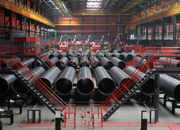 Threeway Steel is known as a professional supplier engaged in manufacturing and distributing a wide range of steel pipe, and our headquarter located the central part of China – Hunan and six associated factories throughout China.
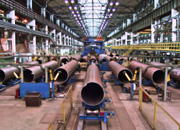 Threeway Steel is known as a professional supplier engaged in designing, manufacturing and distribution of a wide range of steel products with the headquarter located the central part of China – Hunan and six associated factories throughout China.
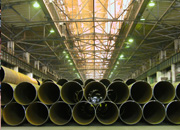 Threeway Steel is known as a professional supplier engaged in designing, manufacturing and distribution of a wide range of steel products with the headquarter located the central part of China – Hunan and six associated factories throughout China.
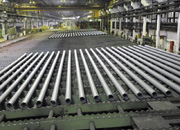 Threeway Steel is known as a professional supplier engaged in designing, manufacturing and distribution of a wide range of steel products with the headquarter located the central part of China – Hunan and six associated factories throughout China.
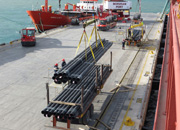 Threeway Steel is known as a professional supplier engaged in designing, manufacturing and distribution of a wide range of steel products with the headquarter located the central part of China – Hunan and six associated factories throughout China.