Seamless steel pipes are essential in industries like oil and gas, power generation, and construction due to their uniform strength and lack of welded joints. However, selecting the right type is critical for project safety and efficiency. High-pressure seamless steel pipes are engineered for extreme conditions, featuring strict material controls and superior pressure and temperature resistance. They are the preferred choice for critical applications such as power plant boilers, chemical processing, and hydraulic systems.
In contrast, ordinary seamless pipes are designed for general structural and mechanical applications where extreme pressure is not a factor. They offer excellent versatility and cost efficiency for standard fluid transportation and equipment components. The key difference lies in their performance requirements: high-pressure pipes prioritize safety and endurance under stress, while ordinary pipes focus on economical, general-purpose performance.
What Are High-Pressure Seamless Steel Pipes?
High-pressure seamless steel pipes are engineered for extreme conditions—high pressure, high temperature, and corrosive media. Manufactured without welded joints, they offer a uniform structure, superior strength, and enhanced safety. These pipes are essential in industries where failure is not an option.
Key Features
|
Feature
|
Benefit
|
|
No welded seams
|
Eliminates weak points, reduces failure risk
|
|
High tensile & yield strength
|
Handles extreme mechanical stress
|
|
Excellent temperature resistance
|
Stable performance in high-heat environments
|
|
Dimensional accuracy
|
Ensures consistent fit and wall thickness
|
|
Compliance with strict standards
|
Meets international safety and quality requirements
|
Common Materials & Standards
|
Material Type
|
Typical Standard
|
Common Use Case
|
|
Carbon steel
|
ASTM A106
|
High-temperature service (boilers, heaters)
|
|
Alloy steel
|
ASTM A335 / DIN 17175
|
Ultra-high temp & pressure systems
|
|
Stainless steel
|
ASTM A312
|
Corrosive or sanitary applications
|
|
Line pipe steel
|
API 5L
|
Oil & gas transmission pipelines
|
Main Applications by Industry
|
Industry
|
Typical Use
|
|
Oil & Gas
|
High-pressure transport, wellhead equipment
|
|
Power Generation
|
Boiler tubes, steam lines, heat exchangers
|
|
Chemical & Petrochemical
|
Conveying aggressive fluids at high pressure
|
|
Hydraulic Systems
|
Hydraulic cylinders, heavy machinery lines
|
|
Industrial Equipment
|
Pressure vessels, specialty manufacturing tools
|
Why Choose High-Pressure Seamless Pipes?
-
Reliability – Uniform grain structure reduces crack initiation.
-
Longer service life – Superior material grades resist wear and fatigue.
-
Safety – Designed and tested to withstand burst pressures far above operating limits.
-
Versatility – Available in multiple sizes, grades, and finishes for diverse environments.
What Are Ordinary Seamless Steel Pipes?
Key Features
|
Feature
|
Benefit
|
|
No welded seams
|
Uniform structure, consistent quality
|
|
Good mechanical strength
|
Handles normal operating pressures and loads
|
|
Smooth inner surface
|
Reduces fluid flow resistance
|
|
Wide size range
|
Available in various diameters, thicknesses, and lengths
|
|
Cost-effective
|
Balances performance with reasonable purchase and maintenance costs
|
Common Materials & Standards
|
Material Type
|
Typical Standard
|
Common Use Case
|
|
Carbon steel
|
ASTM A53
|
General structural and fluid transport
|
|
Carbon steel
|
ASTM A106
|
Low-to-medium temperature service
|
|
Low-alloy steel
|
EN 10216 / GB/T 8162
|
Mechanical and structural components
|
|
Carbon steel
|
API 5L (Grade B)
|
Low-pressure oil & gas pipelines
|
Main Applications by Industry
|
Industry
|
Typical Use
|
|
Mechanical Manufacturing
|
Machine parts, equipment components, hydraulic cylinders
|
|
Construction
|
Steel structures, support systems, scaffolding
|
|
Fluid Transportation
|
Water, air, oil, and low-to-medium pressure fluids
|
|
Automotive
|
Vehicle components, chassis parts, exhaust systems
|
|
General Industrial
|
Machinery frames, conveyor systems, processing equipment
|
High-Pressure vs. Ordinary Seamless Pipes – Key Differences
|
Comparison Factor
|
Ordinary Seamless Pipe
|
High-Pressure Seamless Pipe
|
|
Pressure rating
|
Low to medium
|
High to ultra-high
|
|
Temperature tolerance
|
Standard (up to ~400°C typical)
|
High (above 500°C in alloy grades)
|
|
Material grades
|
Primarily carbon steel
|
Carbon, alloy, and stainless steel
|
|
Testing requirements
|
General quality checks
|
Strict non-destructive and hydrostatic testing
|
|
Typical applications
|
Construction, machinery, general fluid lines
|
Boilers, oil/gas wells, power plants, chemical reactors
|
Why Choose Ordinary Seamless Pipes?
-
Reliable for standard use – Meets daily operational needs without over-engineering.
-
Versatile – Fits a broad range of industries and projects.
-
Economical – Lower material and processing costs compared to high-pressure grades.
-
Easy to fabricate – Can be cut, threaded, and welded (where allowed) with standard equipment.
-
Readily available – Stocked in most regions in common sizes and grades.
Application Areas Comparison: High-Pressure Seamless Steel Pipes vs Ordinary Seamless Pipes
High-pressure and ordinary seamless steel pipes serve different industrial needs. The key difference lies in their ability to handle pressure, temperature, and demanding conditions.
High-Pressure Seamless Pipes are designed for extreme environments:
-
Oil & Gas – pipelines, drilling, and pressure systems
-
Power Generation – boilers, superheated steam lines, heat exchangers
-
Chemical & Petrochemical – reactors and processing equipment under high pressure and corrosion
-
Hydraulic Equipment – cylinders and heavy machinery requiring high strength
Ordinary Seamless Pipes suit general, less demanding applications:
-
Mechanical Manufacturing – machine parts and structural components
-
Construction – frameworks and engineering supports
-
General Fluid Transport – water, air, and oil under normal conditions
-
Automotive & Manufacturing – standard mechanical uses
Selection Guide
Choose high-pressure seamless pipes for safety and performance under extreme conditions. Choose ordinary seamless pipes for reliable, cost-effective general applications. Understanding these differences ensures the right pipe for your project.
Our High-Pressure Seamless Steel Pipe and Ordinary Seamless Pipe Products, Services, and Shipping Information
High-Pressure Seamless Pipes – Designed for extreme environments: high pressure, high temperature, and critical systems. Available in carbon steel, alloy steel, boiler-grade, and oil/gas grades. Ideal for power plants, pressure vessels, and chemical processing.
Ordinary Seamless Pipes – Suitable for general industrial and structural use: mechanical parts, construction frameworks, and standard fluid transport. Cost-effective and dependable.
Quality Assurance
Strict inspections from raw material to finished product—chemical analysis, mechanical testing, dimensional checks, surface quality, and NDT. Mill test certificates and inspection reports provided.
Customization
Tailored dimensions, steel grades, wall thickness, surface treatments, and project-specific inspection standards. Technical support for material selection based on pressure, temperature, and environment.
Shipping & Logistics
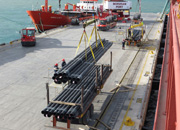
Worldwide delivery with secure bundling, protective wrapping, end caps, container or bulk vessel shipping. Full export documentation (packing lists, certificates, shipping papers).
How to Choose Between High-Pressure and Ordinary Seamless Steel Pipes?
1. Pressure Requirements
High-pressure seamless pipes are built for extreme internal pressure—ideal for power plants, oil and gas systems, chemical facilities, and hydraulic equipment. Ordinary seamless pipes suit standard-pressure applications like general fluid transport, machinery, and structural projects. Always verify the system’s pressure rating before selection.
2. Temperature and Environmental Factors
High-pressure pipes perform reliably in high-temperature environments (boilers, steam lines) due to stricter material and heat-resistance standards. Ordinary pipes handle normal conditions. Also assess chemical exposure, outdoor/underground installation, and required service life.
3. Material Grade and Standards
Demanding applications require carbon, alloy, or stainless steel with higher strength and temperature resistance, meeting ASTM, API, DIN, or EN standards. For general use, standard carbon steel offers sufficient strength at a lower cost.
4. Application Fit
-
Choose high-pressure for: oil/gas transmission, boiler equipment, chemical processing, hydraulic systems, pressure vessels, heat exchangers.
-
Choose ordinary for: general pipelines, machinery manufacturing, construction structures, components, low-to-medium pressure systems.
5. Supplier Selection
Work with a reliable supplier offering strong quality control, certifications, inspection services, customization, and logistics support. Expert guidance ensures the right pipe size, material, and standard.
Conclusion:
Selecting the right seamless steel pipe is crucial for ensuring the safety, efficiency, and longevity of industrial systems. High-pressure seamless steel pipes are engineered for demanding environments requiring superior pressure and temperature resistance, making them ideal for oil and gas, power generation, and chemical processing. Conversely, ordinary seamless pipes offer cost efficiency and reliable mechanical properties, making them perfect for general construction, machinery, and standard fluid transportation.
High-pressure pipes provide unmatched safety for critical systems, while ordinary pipes offer economical reliability for everyday engineering. By thoroughly assessing your specific operating conditions and project requirements, you can select the optimal seamless steel pipe to maximize performance, minimize maintenance costs, and achieve long-term operational success.
FAQ:
FAQ 1: What is the difference between high-pressure seamless steel pipes and ordinary seamless pipes?
Answer:
The main difference is their working conditions and performance requirements. High-pressure seamless steel pipes are designed for high-pressure and high-temperature applications with stricter material and testing requirements. Ordinary seamless pipes are mainly used for general industrial, structural, and low-to-medium pressure applications.
FAQ 2: Where are high-pressure seamless steel pipes commonly used?
Answer:
High-pressure seamless steel pipes are commonly used in oil and gas systems, power plants, boilers, chemical processing facilities, hydraulic equipment, and other industries that require strong pressure resistance and reliable performance.
FAQ 3: Are ordinary seamless steel pipes suitable for pressure applications?
Answer:
Yes, ordinary seamless steel pipes can be used for certain pressure applications depending on their material grade, wall thickness, and operating conditions. However, for high-pressure or high-temperature systems, specially designed high-pressure seamless pipes are usually recommended.
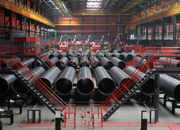 Threeway Steel is known as a professional supplier engaged in manufacturing and distributing a wide range of steel pipe, and our headquarter located the central part of China – Hunan and six associated factories throughout China.
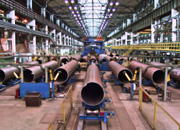 Threeway Steel is known as a professional supplier engaged in designing, manufacturing and distribution of a wide range of steel products with the headquarter located the central part of China – Hunan and six associated factories throughout China.
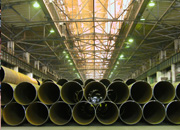 Threeway Steel is known as a professional supplier engaged in designing, manufacturing and distribution of a wide range of steel products with the headquarter located the central part of China – Hunan and six associated factories throughout China.
 Threeway Steel is known as a professional supplier engaged in designing, manufacturing and distribution of a wide range of steel products with the headquarter located the central part of China – Hunan and six associated factories throughout China.
 Threeway Steel is known as a professional supplier engaged in designing, manufacturing and distribution of a wide range of steel products with the headquarter located the central part of China – Hunan and six associated factories throughout China.