1. What are the applicable scope and material selection requirements for
high-pressure boiler steel pipes?
Applicable Scope: This standard applies to seamless steel pipes used in the manufacture of steam boilers, pipelines, and high-temperature pressure-bearing equipment with pressures of 60°C and above, covering power plant boilers, industrial boilers, and petrochemical fields.
Material Classification: Includes high-quality carbon structural steel, alloy structural steel, and stainless heat-resistant steel. Appropriate materials must be selected based on the temperature, pressure, and corrosiveness of the medium.
2. What are the key performance requirements for high-pressure boiler steel pipes?
Mechanical Properties: Tensile strength ≥ 410MPa, yield strength ≥ 245MPa, elongation ≥ 24%, impact toughness ≥ 48J, structural stability under high-pressure environments.
High-Temperature Resistance: Must withstand temperatures below 600°C. The addition of alloying elements can improve oxidation and creep resistance.
Corrosion Resistance: For corrosive media containing sulfur, chlorine, etc., stainless heat-resistant steel must be selected, or surface anti-corrosion treatment must be applied.
3. Manufacturing Process and Quality Control of High-Pressure Boiler Steel Pipes.
Manufacturing Process: Includes hot rolling (extrusion, expansion), cold drawing (rolling), etc. Strict control of rolling temperature, deformation, and heat treatment processes (such as normalizing + tempering) is required.
Quality Inspection:
Chemical Composition Analysis: The content of elements such as C, Si, Mn, P, S, Cr, and Mo must meet standards.
Mechanical Property Testing: Tensile test, impact test, flattening test, flaring test, etc.
Non-Destructive Testing: Ultrasonic testing, eddy current testing, etc. No internal cracks, inclusions, or other defects.
Dimensional Deviation Control: Outer diameter deviation ≤ ±1.5%D (D is the outer diameter), wall thickness deviation ≤ ±12.5%S (S is the wall thickness).
4. Installation and Usage Precautions for High-Pressure Boiler Steel Pipes.
Pre-Installation Inspection: Verify the steel pipe specifications, material, quantity, and quality certificates. Inspect the surface quality (no cracks, folds, scabs, or other defects).
Welding Requirements: Use welding materials compatible with the base material. Welding processes must comply with relevant standards. Post-weld heat treatment is necessary to relieve stress.
Operation Monitoring: Regularly inspect the steel pipes for wall thinning, corrosion, and thermal fatigue cracks to ensure safe operation.
Maintenance: Conduct regular hydrostatic tests and promptly replace aged or damaged steel pipes.
5. Special Applications of High-Pressure Boiler Steel Pipes.
Superheater and Reheater Tubes: Must withstand high-temperature steam; heat-resistant steels such as 12Cr1MoVG are preferred.
Petrochemical Industry: For high-temperature, high-pressure, and corrosive media, high-performance alloy steels such as 12Cr2MoWVTiB are required.
Nuclear Power Industry: Requires higher safety standards and additional irradiation performance testing.
6. Packaging and Labeling of High-Pressure Boiler Steel Pipes.
Packaging Requirements: Cap both ends of the steel pipes, coat the inner wall with anti-rust oil, and use moisture-proof and impact-resistant materials for the outer packaging.
Labeling Content: Includes standard number, material, specifications, manufacturer, production date, etc., for easy traceability and management.
7. What are the regulatory and standard compliance requirements for high-pressure boiler steel pipes?
Compliance Requirements: Products must comply with GB/T 5310-2023 standard and obtain relevant quality certifications (such as a special equipment manufacturing license).
Regulatory Updates: Attention must be paid to new national regulations regarding boilers and pressure pipelines to ensure product compliance.
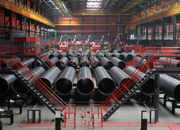 Threeway Steel is known as a professional supplier engaged in manufacturing and distributing a wide range of steel pipe, and our headquarter located the central part of China – Hunan and six associated factories throughout China.
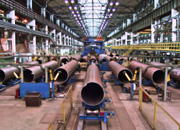 Threeway Steel is known as a professional supplier engaged in designing, manufacturing and distribution of a wide range of steel products with the headquarter located the central part of China – Hunan and six associated factories throughout China.
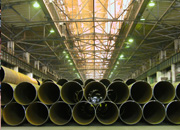 Threeway Steel is known as a professional supplier engaged in designing, manufacturing and distribution of a wide range of steel products with the headquarter located the central part of China – Hunan and six associated factories throughout China.
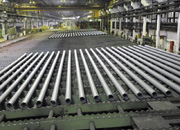 Threeway Steel is known as a professional supplier engaged in designing, manufacturing and distribution of a wide range of steel products with the headquarter located the central part of China – Hunan and six associated factories throughout China.
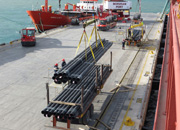 Threeway Steel is known as a professional supplier engaged in designing, manufacturing and distribution of a wide range of steel products with the headquarter located the central part of China – Hunan and six associated factories throughout China.