Finned steel tubes are essential components in modern thermal engineering, designed to maximize heat transfer efficiency by significantly increasing the surface area of base tubes. Compared to plain steel tubes, they enhance heating and cooling performance while reducing energy consumption and equipment size.
Constructed with a base steel tube and integrated metal fins (such as carbon steel, stainless steel, or aluminum), these tubes are highly adaptable. They are available in various designs, including spiral wound, high-frequency welded, embedded, and extruded fins, to meet specific temperature and pressure requirements.
Due to their superior thermal management capabilities, finned steel tubes are widely utilized across power generation, petrochemical, HVAC, and waste heat recovery industries.
What Are Finned Steel Tubes?
Finned steel tubes are specialized heat exchange components designed to maximize thermal efficiency by significantly increasing the external surface area of a standard steel tube. By combining a durable base tube with high-efficiency fins, they achieve superior heat transfer performance compared to plain tubes, making them essential in modern industrial energy systems.
Below is a concise overview of the structure, working principle, and types of finned steel tubes:
|
Category
|
Key Details & Features
|
|
Basic Structure
|
Consists of a base tube (carbon, stainless, or alloy steel) carrying internal fluids, and external fins (aluminum, carbon steel, or stainless steel) that expand the heat transfer area without adding bulk.
|
|
Working Principle
|
Heat from the internal fluid transfers through the tube wall to the fins, which rapidly dissipate or absorb heat with the surrounding environment. This enhanced surface area allows for higher thermal output with smaller equipment or lower energy use.
|
|
Main Manufacturing Types
|
• Extruded: Mechanically formed fins with strong bonding.
• High-Frequency Welded (HFW): Fins welded for strong attachment.
• Embedded: Fins locked into grooves for high-temperature stability.
• Spiral Wound: Helically wrapped strips for air-cooled exchangers.
• L/G-Type: Wrapped or inserted fins for moderate temperatures.
|
|
Material Flexibility
|
Base tubes and fins can be customized using various metals (e.g., aluminum, carbon steel, stainless steel) to meet specific temperature, pressure, and corrosion requirements across diverse industrial environments.
|
Advantages of Finned Steel Tubes
Finned steel pipes are widely utilized in thermal management systems because they significantly enhance heat transfer efficiency while enabling compact equipment design. By expanding the effective heat transfer area, these tubes deliver superior performance, making them an indispensable component in modern industrial engineering.
Below is a concise overview of the key advantages of finned steel tubes:
|
Advantage Category
|
Key Benefits & Operational Impact
|
|
High Efficiency & Energy Saving
|
Significantly expands the heat transfer area for faster thermal exchange. This maximizes system performance while reducing fuel or electricity consumption and lowering overall operating costs.
|
|
Compact Design & Cost-Effectiveness
|
Achieves the same thermal output in a smaller footprint, ideal for space-limited applications. Reduces initial material, installation expenses, and long-term maintenance costs.
|
|
Durability & Stability
|
Constructed from carbon, stainless, or alloy steel to resist high temperatures, pressure, and corrosion. Ensures stable, reliable performance and a long service life in demanding environments.
|
|
Wide Adaptability
|
Highly customizable with various fin types (spiral wound, welded, embedded) to meet specific industrial requirements. Optimizes continuous industrial processes and improves overall system safety and productivity.
|
Typical Applications of Finned Steel Tubes
Finned steel tubes are essential components across various industries that demand efficient heat transfer, energy conservation, and compact system design. Their superior thermal exchange capabilities make them highly versatile for diverse engineering applications.
Below is a concise overview of the typical applications for finned steel tubes:
|
Application Sector
|
Key Uses & Operational Value
|
|
Power Generation
|
Utilized in boilers, economizers, air preheaters, and condensers to recover waste heat, improve energy conversion, and reduce fuel consumption.
|
|
Petrochemical & Refining
|
Applied in heat exchangers, cooling systems, and distillation units to control process temperatures, offering durability in high-temperature and corrosive environments.
|
|
HVAC & Refrigeration
|
Integrated into air-cooled heat exchangers and condensers to enhance heat dissipation, significantly reducing energy consumption in commercial and industrial facilities.
|
|
Waste Heat Recovery
|
Captures and reuses heat from exhaust gases in furnaces, kilns, and engines, improving overall energy efficiency and supporting environmental sustainability.
|
|
Metallurgy & Heavy Industry
|
Deployed in high-temperature heat exchangers and cooling systems to manage extreme thermal conditions and maintain stable production in steel plants.
|
|
Marine & Offshore Engineering
|
Provides reliable cooling and heat exchange for ships and offshore platforms, specifically designed to withstand moisture, salt exposure, and continuous operation.
|
|
Industrial Equipment
|
Used in air compressors, dryers, and process cooling units to maintain optimal operating temperatures and maximize overall machinery efficiency.
|
How to Choose High-Quality Finned Steel Tubes
Selecting high-quality finned steel tubes is vital for ensuring optimal heat transfer efficiency, system stability, and long service life in demanding thermal environments. When evaluating products, buyers should focus on several critical factors:
(1) Material & Bonding Quality: Verify that certified base tube materials (carbon, stainless, or alloy steel) match your specific temperature and pressure requirements. Ensure proper compatibility between the base tube and fin materials (e.g., aluminum or steel). Crucially, inspect the fin bonding or welding quality (such as high-frequency welding or extrusion), as strong, uniform attachment is essential for maximum thermal performance.
(2) Design & Precision: Evaluate the fin structure and spacing to ensure a proper balance between heat transfer efficiency and airflow resistance. High-quality tubes must also meet strict dimensional tolerances and feature clean surfaces free of defects.
(3) Supplier Reliability: Choose reputable manufacturers with advanced production equipment and strict quality control systems, including pressure and weld inspections.
By thoroughly assessing material compatibility, bonding integrity, design efficiency, and supplier capability, buyers can confidently select premium finned steel tubes that deliver stable performance and long-term cost savings.
Our Finned Steel Tube Solutions
As a professional manufacturer, we provide premium finned steel tube solutions designed to maximize heat transfer efficiency, save energy, and ensure long-term reliability. Our comprehensive product range includes high-frequency welded, extruded, embedded, and spiral wound finned tubes, available in carbon steel, stainless steel, and alloy steel.
We utilize advanced manufacturing technology and enforce strict quality control, including rigorous pressure and bonding tests, to guarantee superior performance in demanding industrial environments. Whether for power generation, petrochemical, or HVAC systems, our expert engineering team offers customized designs tailored to your specific thermal and spatial requirements.
To ensure safe delivery, we provide professional export packaging and reliable global shipping via container or bulk vessels, supported by flexible trade terms. Customers choose us for our factory-direct pricing, extensive material selection, and unwavering commitment to quality.
Conclusion
Finned steel tubes are essential components in modern thermal management, offering superior heat transfer efficiency, energy savings, and compact design. By extending the surface area of base tubes, they significantly enhance thermal exchange, making them indispensable across power generation, petrochemical, HVAC, and waste heat recovery industries.
Selecting the right finned tube—based on material, fin type, and bonding quality—is critical for ensuring long-term stability and optimal system performance. As a professional supplier, we provide high-quality finned steel tube solutions backed by advanced manufacturing, strict quality control, and flexible customization services.
Our products are engineered to meet international standards and deliver reliable, cost-effective performance in demanding environments. Whether you require standard specifications or custom-engineered designs, we are here to support your engineering needs.
FAQ:
(1) What is the main function of finned steel tubes?
To increase heat transfer efficiency by expanding the heat exchange surface area.
(2) Where are finned tubes commonly used?
In boilers, heat exchangers, HVAC systems, petrochemical plants, and power stations.
(3) What materials are used in finned tubes?
Carbon steel, stainless steel, alloy steel for tubes; aluminum or steel for fins.
(4) What is the difference between finned tubes and plain tubes?
Finned tubes have extended surfaces (fins) for improved heat transfer, while plain tubes do not.
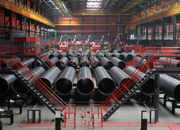 Threeway Steel is known as a professional supplier engaged in manufacturing and distributing a wide range of steel pipe, and our headquarter located the central part of China – Hunan and six associated factories throughout China.
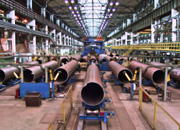 Threeway Steel is known as a professional supplier engaged in designing, manufacturing and distribution of a wide range of steel products with the headquarter located the central part of China – Hunan and six associated factories throughout China.
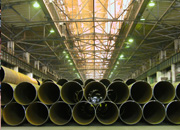 Threeway Steel is known as a professional supplier engaged in designing, manufacturing and distribution of a wide range of steel products with the headquarter located the central part of China – Hunan and six associated factories throughout China.
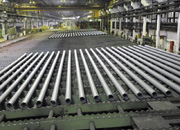 Threeway Steel is known as a professional supplier engaged in designing, manufacturing and distribution of a wide range of steel products with the headquarter located the central part of China – Hunan and six associated factories throughout China.
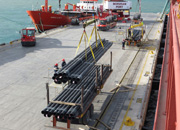 Threeway Steel is known as a professional supplier engaged in designing, manufacturing and distribution of a wide range of steel products with the headquarter located the central part of China – Hunan and six associated factories throughout China.