Steel tees are essential T-shaped pipe fittings used to distribute, combine, or redirect fluid flow in industrial piping systems. Available as equal or reducing tees, they connect three pipe sections at a 90-degree angle, making them indispensable in oil and gas, chemical processing, and power generation.
Manufactured from carbon, stainless, or alloy steel, steel tees are designed to withstand high pressure, extreme temperatures, and corrosive environments. Produced in strict compliance with international standards like ASME B16.9 and ASTM, they ensure leak-free operation and long-term durability.
Types and Materials of Steel Tees
Steel tees are essential components in industrial piping systems, available in various types and materials to suit different pressure, temperature, and fluid conditions. Proper selection ensures safe operation, efficient flow distribution, and long-term reliability.
Below is a concise overview of the main types and materials of steel tees:
|
Category
|
Types / Materials
|
Key Characteristics & Applications
|
|
By Design
|
Equal Tees
|
Three openings of the same diameter; used for uniform flow distribution in general industrial and water supply systems.
|
|
|
Reducing Tees
|
Branch outlet has a smaller diameter than the main pipe; ideal for diverting or reducing flow without affecting pressure balance.
|
|
By Manufacturing
|
Seamless Tees
|
Formed from seamless pipes; preferred for high-pressure and high-temperature environments due to superior strength.
|
|
|
Welded Tees
|
Made from welded pipes or plates; suitable for standard industrial applications with moderate pressure requirements.
|
|
By Material
|
Carbon Steel
|
Cost-effective with good strength (e.g., ASTM A234 WPB); widely used in water, oil, and gas transportation.
|
|
|
Stainless Steel
|
Excellent corrosion resistance and hygiene (e.g., 304, 316); ideal for food processing, pharmaceuticals, and marine environments.
|
|
|
Alloy Steel
|
Designed for extreme conditions; used in power plants and refineries requiring high-temperature and high-pressure resistance.
|
Process Flow of Steel Tees Manufacturing
The manufacturing of steel tees involves precise, controlled steps to ensure dimensional accuracy, mechanical strength, and compliance with international standards like ASME B16.9 and ASTM. Depending on the application, tees are produced using hot forming, cold forming, or welding-based processes.
Below is a concise overview of the standard manufacturing process flow:
|
Manufacturing Stage
|
Key Operations & Purpose
|
|
1. Raw Material Preparation
|
High-quality seamless/welded pipes or plates are inspected for chemical and mechanical properties, then cut to precise lengths.
|
|
2. Heating & Forming
|
Pipes are heated to improve plasticity and pressed into molds using hydraulic pressure to form the T-shaped branch (cold forming is used for specific low-pressure applications).
|
|
3. Shaping & Adjustment
|
Excess material is trimmed, dimensions are corrected, and ends are beveled to ensure proper alignment for field welding.
|
|
4. Heat Treatment
|
Normalizing or annealing is applied to relieve internal forming stresses, enhancing the tee's toughness and structural stability.
|
|
5. Surface Treatment
|
Sandblasting, oil coating, or galvanizing is performed to improve surface quality and protect against corrosion in harsh environments.
|
|
6. Quality Inspection
|
Strict checks including dimensional verification, visual examination, non-destructive testing (NDT), and hydrostatic pressure testing are conducted.
|
|
7. Marking & Certification
|
Approved tees are marked with size, grade, and heat numbers. Full certification documents are provided to ensure complete traceability.
|
Applications of Steel Tees in Industrial Projects
Steel tees are indispensable components in modern industrial piping systems, playing a critical role in efficiently distributing, combining, or redirecting fluid flow. Depending on their material and pressure rating, these T-shaped fittings are highly adaptable to a wide range of engineering environments, from general infrastructure to highly demanding industrial systems.
Below is a concise overview of the primary industrial applications of steel tees:
|
Industry Sector
|
Key Applications & Material Requirements
|
|
Oil & Gas
|
Used to branch or merge crude oil and natural gas in transmission and refinery networks; requires carbon and alloy steel for high pressure and corrosion resistance.
|
|
Chemical & Petrochemical
|
Essential for transporting chemical fluids and gases; stainless steel tees (e.g., 304, 316) are preferred to resist chemical attacks in reactors and processing pipelines.
|
|
Power Generation
|
Applied in boiler systems, steam pipelines, and cooling networks; alloy steel tees are utilized to ensure safety and stability in high-temperature and high-pressure environments.
|
|
Water Supply & Treatment
|
Distributes water flow in municipal networks and wastewater systems; carbon or stainless steel is selected based on water quality and durability requirements.
|
|
Construction & Building Services
|
Integrated into HVAC, fire protection, and plumbing systems to efficiently distribute air, water, or fire-fighting media with reliable sealing performance.
|
|
Industrial Manufacturing
|
Supports hydraulic systems, compressed air lines, and process control pipelines, offering strength and adaptability for continuous machinery operation.
|
Our Steel Tee Products & Shipping Information
As a professional supplier, we provide high-quality steel tees (equal and reducing) in carbon, stainless, and alloy steel, strictly complying with ASME B16.9 and ASTM A234 standards. Ideal for oil and gas, chemical, and power generation industries, our pipe fittings ensure dimensional accuracy and durability. We also offer OEM/ODM customization to meet specific project needs.
To ensure safe transit, all tees are securely packed in wooden cases or steel crates with anti-rust protection. We support flexible international trade terms (FOB, CIF, CFR, EXW) and provide reliable global shipping via sea, air, or rail. To guarantee smooth customs clearance, we supply complete export documentation, including Mill Test Certificates (MTC).
Backed by strong manufacturing capacity and strict quality control, we are committed to delivering premium steel tees and efficient global supply solutions for industrial projects worldwide. Contact us today for a competitive quote and reliable supply!
Installation and Maintenance Guidelines
Proper installation and regular maintenance are essential to ensure the safe operation and long service life of steel tees in industrial piping systems.
Installation Best Practices: Precise alignment is critical to ensure smooth flow and balanced pressure. Before connection, pipe ends must be thoroughly cleaned to guarantee strong welds or secure bolted joints. Careful handling is also required to prevent deformation or surface damage.
Corrosion Protection: Apply appropriate protective coatings such as paint, epoxy, or galvanization based on environmental conditions. Regularly inspect and promptly repair any damaged areas to prevent rust and extend the fitting's lifespan.
Routine Maintenance & Testing: Conduct periodic inspections for leaks, cracks, and loose connections. Monitor for abnormal vibrations or pressure fluctuations. After installation, perform hydrostatic or pneumatic pressure testing to verify system integrity before commissioning.
By adhering to these guidelines, you can maximize the performance, safety, and durability of your steel tee piping systems.
Conclusion
Steel tees are essential components in modern industrial piping systems, providing reliable solutions for fluid distribution and pipeline direction changes. Their strong mechanical performance and material versatility make them indispensable in oil and gas, chemical processing, power generation, and construction industries.
The performance of steel tees relies on strict manufacturing processes and adherence to international standards like ASME B16.9 and ASTM. Available in equal and reducing designs, they are manufactured from carbon, stainless, or alloy steel to suit specific pressure, temperature, and corrosive environments.
In practical applications, steel tees ensure controlled fluid direction and pressure balance, reducing system risks and improving operational efficiency. To maximize their service life, proper installation, corrosion protection, and routine maintenance are highly recommended.
As global infrastructure and industrial projects continue to expand, the demand for high-quality, standardized steel tees remains strong. Ultimately, with proper selection and care, steel tees remain a dependable, cost-effective, and safe solution for demanding engineering projects worldwide.
FAQ:
(1) What is the difference between equal tee and reducing tee?
Explanation of structure and application differences
(2) What materials are commonly used for steel tees?
Carbon steel, stainless steel, and alloy steel comparison
(3) How are steel tees manufactured?
Overview of hot forming and hydraulic bulging process
(4) What standards are used for steel tees?
ASME B16.9, ASTM A234, and international specifications
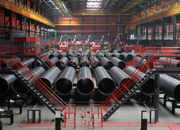 Threeway Steel is known as a professional supplier engaged in manufacturing and distributing a wide range of steel pipe, and our headquarter located the central part of China – Hunan and six associated factories throughout China.
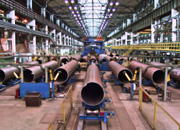 Threeway Steel is known as a professional supplier engaged in designing, manufacturing and distribution of a wide range of steel products with the headquarter located the central part of China – Hunan and six associated factories throughout China.
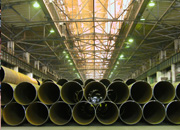 Threeway Steel is known as a professional supplier engaged in designing, manufacturing and distribution of a wide range of steel products with the headquarter located the central part of China – Hunan and six associated factories throughout China.
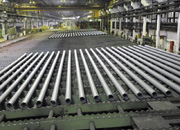 Threeway Steel is known as a professional supplier engaged in designing, manufacturing and distribution of a wide range of steel products with the headquarter located the central part of China – Hunan and six associated factories throughout China.
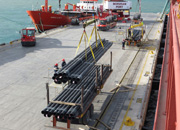 Threeway Steel is known as a professional supplier engaged in designing, manufacturing and distribution of a wide range of steel products with the headquarter located the central part of China – Hunan and six associated factories throughout China.