Steel flanges are essential connection components in piping systems, providing secure, reliable, and easily maintainable joints for pipes, valves, and equipment. Manufactured primarily through forging and casting, they offer superior strength and durability for demanding industrial applications.
Common types include weld neck, slip-on, blind, socket weld, threaded, and lap joint flanges, each designed for specific operational needs. Available in carbon, stainless, and alloy steel, they ensure compatibility with various environments, from general industrial use to high-pressure and corrosive conditions.
Produced according to international standards such as ASME, ASTM, and DIN, steel flanges guarantee precise dimensions and reliable performance. By selecting the appropriate flange type and material, industries can enhance system safety, efficiency, and long-term reliability in critical infrastructure projects.
Key Advantages of Steel Flanges
Steel flanges are essential components in industrial piping systems, offering unmatched strength, reliability, and flexibility. They provide secure connections while significantly simplifying installation and maintenance processes. Below are the primary advantages of using steel flanges:
|
Key Advantages
|
Core Benefits & Operational Impacts
|
|
High Strength & Pressure Resistance
|
Forged steel flanges maintain structural stability under heavy loads and pressure fluctuations, minimizing the risk of connection failure in demanding environments.
|
|
Excellent Durability
|
Designed to resist deformation, impact, and wear. Material options like carbon, stainless, and alloy steel ensure long service life and corrosion resistance in harsh conditions.
|
|
Easy Installation & Maintenance
|
Unlike permanent welded joints, bolted flange connections allow for quick assembly and disassembly, reducing system downtime during inspections or equipment replacement.
|
|
Reliable Sealing Performance
|
When paired with appropriate gaskets and bolts, flanges create secure, leak-proof seals that maintain pipeline efficiency and system safety.
|
|
Wide Range of Applications
|
Highly versatile and available in various sizes, pressure classes, and materials to meet diverse engineering requirements across oil and gas, power, and chemical industries.
|
Applications of Steel Flanges
Steel flanges are versatile connection components essential for safe and efficient industrial piping systems. Their ability to withstand extreme conditions and provide reliable joints makes them indispensable across multiple sectors. Below are the primary applications of steel flanges:
|
Key Application Areas
|
Specific Uses & Operational Benefits
|
|
Oil and Gas Industry
|
Utilized in pipelines, refineries, and offshore platforms. Carbon and alloy steel flanges provide the high strength and pressure resistance needed for secure, long-term connections.
|
|
Chemical & Petrochemical
|
Applied in reactors, heat exchangers, and storage tanks. Stainless steel flanges offer excellent corrosion resistance, while alloy steel ensures stability in high-temperature processing.
|
|
Power Generation
|
Essential for steam pipelines, boiler systems, and cooling equipment. High-quality flanges maintain stable connections and resist mechanical stress under extreme temperatures and pressures.
|
|
Water Treatment & Construction
|
Used in large-diameter water supply and wastewater networks. The detachable design facilitates easy installation, maintenance, and future system upgrades.
|
|
Mechanical & Industrial Equipment
|
Integrated into hydraulic systems, pressure vessels, and machinery pipelines. Flanges provide flexible, reliable joints that simplify assembly, repair, and system modifications.
|
How to Choose the Right Steel Flange
|
Key Selection Factors
|
Core Considerations & Requirements
|
|
Operating Conditions
|
Evaluate internal pressure, temperature, and the transported medium. High-temperature systems require heat-resistant materials, while corrosive fluids demand corrosion-resistant flanges to prevent premature failure.
|
|
Flange Material
|
Choose based on application needs: Carbon steel for cost-efficient general use; Stainless steel for superior corrosion resistance in chemical and food processing; Alloy steel for enhanced strength in high-temperature and high-pressure environments.
|
|
Flange Type and Size
|
Match the design to system requirements. Weld neck flanges are ideal for high-pressure stress resistance, while slip-on flanges offer easier installation. Ensure correct sizing based on pipe diameter, wall thickness, and pressure class.
|
|
Standards & Quality
|
Verify compliance with international standards (ASME, ASTM, DIN, EN, JIS). Ensure suppliers provide material certificates, dimensional test records, and pressure testing results to guarantee safe performance.
|
|
Supplier Reliability
|
Partner with professional manufacturers offering strict quality control, technical support, customization options, and dependable delivery services to reduce project risks and ensure long-term operational safety.
|
Our Steel Flange Products and Shipping Information
We supply premium steel flanges, including carbon, stainless, and alloy steel options, tailored for oil and gas, chemical, and power industries. Manufactured to international standards (ASME, ASTM, DIN), our flanges offer superior strength, corrosion resistance, and custom sizing to meet diverse project needs. Rigorous quality inspections ensure reliable, safe connections. We provide flexible global shipping via sea, air, and land, with professional waterproof packaging and export documentation support. Partner with us for high-quality, durable steel flanges, competitive pricing, and seamless worldwide delivery to optimize your industrial piping systems.
Conclusion: Why Choose Steel Flanges?
Steel flanges are essential for modern piping systems, offering unmatched strength, reliability, and flexibility. They withstand high pressure and extreme temperatures, making them ideal for oil and gas, chemical, and power industries. Unlike welded joints, bolted flanges simplify maintenance and reduce downtime. Available in carbon, stainless, and alloy steel, they provide versatile solutions for diverse environments. Partnering with a reliable supplier ensures compliance with international standards, customized specifications, and secure global shipping. By selecting the right flange type and material, businesses can enhance system safety, optimize operational efficiency, and reduce long-term maintenance costs for superior industrial performance.
FAQ:
(1) What are steel flanges used for?
Answer: Steel flanges are used to connect pipes, valves, pumps, and other equipment in piping systems. They provide secure connections while allowing easier installation, inspection, and maintenance.
(2) What are the main types of steel flanges?
Answer: Common steel flange types include weld neck flanges, slip-on flanges, blind flanges, socket weld flanges, threaded flanges, and lap joint flanges. The suitable type depends on pressure requirements, pipe design, and application conditions.
(3) How do I choose the right steel flange for my project?
Answer: The correct steel flange should be selected based on factors such as pipe size, working pressure, operating temperature, transported medium, material compatibility, and applicable industry standards.
(4) Are steel flanges suitable for high-pressure applications?
Answer: Yes. Properly selected steel flanges, especially forged carbon steel and alloy steel flanges, are widely used in high-pressure systems such as oil pipelines, power plants, and chemical processing equipment.
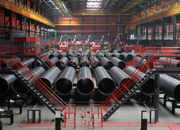 Threeway Steel is known as a professional supplier engaged in manufacturing and distributing a wide range of steel pipe, and our headquarter located the central part of China – Hunan and six associated factories throughout China.
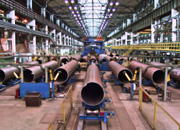 Threeway Steel is known as a professional supplier engaged in designing, manufacturing and distribution of a wide range of steel products with the headquarter located the central part of China – Hunan and six associated factories throughout China.
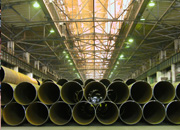 Threeway Steel is known as a professional supplier engaged in designing, manufacturing and distribution of a wide range of steel products with the headquarter located the central part of China – Hunan and six associated factories throughout China.
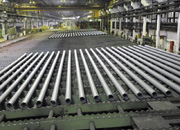 Threeway Steel is known as a professional supplier engaged in designing, manufacturing and distribution of a wide range of steel products with the headquarter located the central part of China – Hunan and six associated factories throughout China.
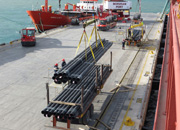 Threeway Steel is known as a professional supplier engaged in designing, manufacturing and distribution of a wide range of steel products with the headquarter located the central part of China – Hunan and six associated factories throughout China.