Stainless steel stretching is a vital metal forming process, but cracking remains a common challenge that compromises product quality and strength. Cracks typically result from unsuitable material selection, excessive deformation, improper processing parameters, surface defects, or insufficient lubrication. Preventing these issues requires careful attention to the material's ductility, toughness, and microstructure.
To ensure successful forming, manufacturers must strictly control stretching speed, deformation ratios, and lubrication conditions while utilizing advanced equipment and accurate tooling. Comprehensive quality inspection and process monitoring are also essential to identify potential defects early.
Causes of Cracking During Stainless Steel Stretching
Cracking during stainless steel stretching is typically caused by a combination of material, processing, equipment, and operational factors. Understanding these root causes is essential for improving product quality, reducing material waste, and ensuring stable production. Below are the primary factors contributing to cracking during the stretching process:
|
Key Causes of Cracking
|
Core Factors & Prevention Measures
|
|
Material-Related Factors
|
Selecting grades with insufficient elongation or poor toughness, as well as internal impurities or uneven microstructures, increases cracking risks. Verifying material properties and chemical composition before production is critical.
|
|
Incorrect Processing Parameters
|
Excessive stretching force, high deformation ratios, or improper stretching speed can cause stress concentration. Optimizing parameters and controlling forming temperatures based on the specific steel grade helps prevent structural failure.
|
|
Surface Defects & Lubrication
|
Pre-existing scratches, inclusions, or micro-cracks act as initiation points for cracks. Additionally, insufficient lubrication increases friction and stress. Proper surface inspection and applying suitable lubricants are essential.
|
|
Equipment & Tooling Issues
|
Improper die design, inaccurate tooling dimensions, or equipment misalignment cause localized stress and uneven force distribution. Regular maintenance and precise tool adjustment ensure uniform material deformation.
|
|
Operational & Environmental Factors
|
Inexperienced operators, incorrect machine settings, or poor process control lead to inconsistent results. Environmental factors like temperature fluctuations and improper material storage can also negatively impact material ductility.
|
By strictly controlling material quality, optimizing processing parameters, ensuring adequate lubrication, and maintaining reliable equipment, manufacturers can significantly reduce cracking issues and improve the overall forming performance of stainless steel products.
Effective Measures to Prevent Stainless Steel Cracking
Preventing cracks during stainless steel stretching requires a comprehensive approach covering material selection, preparation, process control, equipment management, and quality inspection. Proper control not only improves product quality but also reduces material waste and processing risks. Below are the effective measures to prevent cracking:
|
Prevention Measures
|
Core Actions & Best Practices
|
|
Select the Right Material
|
Choose grades with good elongation and toughness, such as 304 or 316, for deep drawing applications. Always verify material certificates, chemical composition, and mechanical properties before production to ensure they meet processing requirements.
|
|
Improve Material Preparation
|
Inspect raw materials for surface damage, scratches, and inclusions. Clean surfaces to remove contaminants, and apply heat treatment or surface conditioning when necessary to reduce internal stress and improve flexibility.
|
|
Optimize Process Parameters
|
Control stretching speed, deformation ratio, forming force, and temperature. Avoid excessive single-step deformation by using gradual forming processes, and apply proper lubrication to reduce friction and prevent stress concentration.
|
|
Improve Tooling & Equipment
|
Ensure dies and molds have accurate dimensions and smooth surfaces to reduce friction. Conduct regular maintenance to check equipment alignment, pressure control, and operating accuracy to prevent uneven force distribution.
|
|
Strengthen Quality Inspection
|
Perform incoming material inspections to confirm specifications. Monitor forming conditions during production, and conduct visual, dimensional, and mechanical testing on finished products to detect defects before delivery.
|
Our Stainless Steel Products & Global Shipping Services
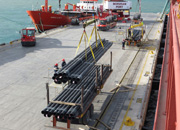
We supply premium stainless steel products, including stainless sheets, coils, plates, pipes, and bars, ideal for stretching, deep drawing, and forming applications. Available in grades like 304 and 316, our materials offer excellent ductility and corrosion resistance. We also provide customized solutions tailored to specific dimensions and processing needs. Every product undergoes strict quality control, including mechanical and dimensional testing, and is backed by complete Mill Test Certificates (MTC) to ensure traceability and reduce cracking risks. To support international clients, we offer professional global shipping via sea, air, and rail, featuring secure packaging to prevent damage and comprehensive export documentation. Partner with us for reliable stainless steel materials, rigorous quality assurance, and efficient worldwide delivery to enhance your manufacturing performance and ensure durable, high-quality finished products.
Best Practices for Improving Stainless Steel Stretching Quality
Improving stainless steel stretching quality requires strict control over materials, processing, and equipment. Selecting suitable grades with high ductility, such as 304 or 316, is the foundation for preventing cracking and ensuring successful deep drawing. Manufacturers must optimize stretching parameters—including speed, deformation ratio, and lubrication—to reduce friction and internal stress. Maintaining high-quality, well-calibrated tools and dies ensures uniform material flow and accurate forming. Continuous process monitoring and thorough inspections are essential to detect surface defects and dimensional issues early. Furthermore, skilled operators and standardized production management systems are vital for maintaining consistent manufacturing performance. By integrating proper material selection, optimized processing, reliable equipment, and rigorous quality control, companies can significantly reduce defects and enhance production efficiency. These best practices ensure that stretched stainless steel components deliver reliable, long-term performance in demanding industrial applications.
FAQ:
(1) Why do cracks occur during stainless steel stretching?
Explain the main causes, including unsuitable material selection, excessive deformation, improper stretching parameters, surface defects, and insufficient lubrication.
(2) How can stainless steel cracking during stretching be prevented?
Discuss effective solutions such as selecting suitable stainless steel grades, optimizing forming parameters, improving tooling design, and strengthening quality inspection.
(3) Which stainless steel grades are best for stretching and deep drawing?
Explain the characteristics of commonly used grades such as 304, 316, and duplex stainless steel, including their formability, strength, and corrosion resistance.
(4) What inspections are needed to ensure stretched stainless steel quality?
Cover material testing, surface inspection, dimensional checks, mechanical testing, and non-destructive testing methods used to verify product reliability.

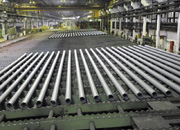
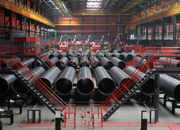 Threeway Steel is known as a professional supplier engaged in manufacturing and distributing a wide range of steel pipe, and our headquarter located the central part of China – Hunan and six associated factories throughout China.
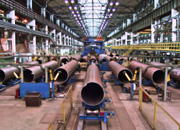 Threeway Steel is known as a professional supplier engaged in designing, manufacturing and distribution of a wide range of steel products with the headquarter located the central part of China – Hunan and six associated factories throughout China.
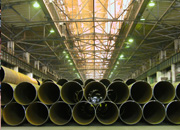 Threeway Steel is known as a professional supplier engaged in designing, manufacturing and distribution of a wide range of steel products with the headquarter located the central part of China – Hunan and six associated factories throughout China.
 Threeway Steel is known as a professional supplier engaged in designing, manufacturing and distribution of a wide range of steel products with the headquarter located the central part of China – Hunan and six associated factories throughout China.
 Threeway Steel is known as a professional supplier engaged in designing, manufacturing and distribution of a wide range of steel products with the headquarter located the central part of China – Hunan and six associated factories throughout China.