Selecting the right oil steel pipe is critical for the safety, efficiency, and long-term reliability of oil and gas engineering systems. Operating under demanding conditions like high pressure, temperature variations, and harsh environments, pipelines require precise material selection to prevent catastrophic failures, leaks, and costly downtime.
Proper pipe selection not only ensures stable operation and extends service life but also improves construction efficiency and reduces overall project costs. Furthermore, all oil pipes must comply with strict international standards such as API 5L, ASTM, and ISO, which dictate mechanical strength, chemical composition, and quality control requirements.
Ultimately, choosing the correct oil pipe is a vital engineering process rather than a simple purchasing decision. By carefully evaluating operating conditions and adhering to industry specifications, engineers can build safe, efficient, and durable energy infrastructure that minimizes operational risks and maximizes performance across upstream, midstream, and downstream applications.
Main Types of Oil Pipes Used in Projects
Oil and gas projects rely on various steel pipes, each selected based on pressure, distance, and environmental conditions:
(1) Seamless Steel Pipes: Manufactured without weld seams, they offer superior strength and pressure resistance. They are ideal for high-pressure, high-temperature environments like drilling operations and refinery processes.
(2) ERW (Electric Resistance Welded) Pipes: Cost-effective with excellent dimensional accuracy, ERW pipes are best suited for low to medium-pressure applications such as oil gathering and distribution systems.
(3) LSAW (Longitudinal Submerged Arc Welded) Pipes: Featuring a straight welded seam, LSAW pipes provide strong structural integrity, making them perfect for large-diameter, high-pressure long-distance transmission pipelines.
(4) SSAW (Spiral Submerged Arc Welded) Pipes: Produced via spiral welding, these pipes offer an economical solution for large-scale infrastructure and mixed transport systems where extreme pressure is not required.
(5) Coated Oil Pipes (3LPE / FBE): Protected by anti-corrosion layers, coated pipes shield against soil, moisture, and seawater, significantly extending the service life of buried and offshore pipelines.
Selecting the appropriate pipe type ensures safe, efficient, and durable pipeline operation across diverse engineering needs.
Key Factors in Choosing Oil Pip
|
Selection Factor
|
Key Considerations & Technical Requirements
|
|
Pressure & Temperature
|
Pipes must withstand internal pressure and thermal stress. High-pressure systems require stronger materials like seamless steel or high-grade API 5L pipes (e.g., X52 to X70).
|
|
Corrosion Environment
|
Environmental exposure dictates durability. Buried/offshore pipelines require anti-corrosion coatings (3LPE/FBE) and potentially cathodic protection to prevent degradation.
|
|
Diameter & Wall Thickness
|
Diameter determines flow capacity, while wall thickness ensures pressure resistance. Proper sizing prevents energy loss, safety risks, and unnecessary material costs.
|
|
Project Scale & Distance
|
Long-distance transmission demands higher strength and strict quality control, whereas short-distance/internal plant pipelines allow for more cost-effective and flexible options.
|
|
Standards & Certification
|
Compliance with international standards (API 5L, ASTM, ISO) is mandatory. Mill Test Certificates (MTC) are required to ensure traceability, quality assurance, and project compliance.
|
Common Mistakes When Selecting Oil Pipes
Selecting oil pipes requires careful evaluation, as common mistakes can lead to severe safety risks and increased maintenance costs.
One frequent error is choosing pipes based solely on the lowest price, which often results in inferior materials, poor weld quality, and a shorter service life. Long-term reliability should always outweigh initial purchase costs. Additionally, failing to match pipe specifications with actual operating pressure and temperature can cause catastrophic failures like leaks or ruptures. Proper engineering calculations are essential to select appropriate API 5L grades or seamless pipes.
Overlooking corrosion protection is another critical mistake. Without adequate anti-corrosion coatings (such as 3LPE or FBE) for buried or offshore pipelines, even high-quality steel can degrade rapidly. Furthermore, using the wrong pipe type—such as selecting ERW pipes for critical high-pressure transmission lines instead of LSAW or seamless options—compromises both safety and efficiency.
Finally, ignoring international standards like API 5L, ASTM, or ISO, and lacking proper documentation such as Mill Test Certificates (MTC), creates compliance and traceability issues. By avoiding these pitfalls and comprehensively evaluating performance, environmental conditions, and industry certifications, engineers can ensure the long-term reliability and operational safety of their oil and gas pipeline systems.
Our Recommended Oil Pipes and Global Shipping Services
We supply a comprehensive range of premium oil pipes, including API 5L seamless, ERW, LSAW, SSAW, and 3LPE/FBE coated options. Manufactured to strict international standards, every product undergoes rigorous quality inspections with Mill Test Certificates (MTC) and third-party testing available.
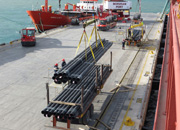
To ensure safe transit, we provide robust export packaging with anti-rust protection and seaworthy wrapping. Our global shipping services include FCL, LCL, bulk cargo, and fast-track delivery, alongside full documentation support for smooth customs clearance. Whether you need standard components or custom EPC solutions, our reliable logistics and strict quality assurance help deliver your pipeline materials safely, efficiently, and on time worldwide.
Conclusion
Selecting the right oil pipe is critical for ensuring the safety, efficiency, and long-term performance of any oil and gas project. From upstream extraction to downstream refining, pipelines form the backbone of energy transportation, making proper material selection essential for stable operation and reduced maintenance costs.
This guide highlighted key pipe types: seamless pipes offer superior strength for high-pressure systems; ERW pipes provide cost efficiency for moderate conditions; LSAW and SSAW pipes support large-scale, long-distance transmission; and 3LPE/FBE coated pipes are vital for corrosion protection in harsh environments.
Successful selection requires evaluating operating pressure, temperature, environmental exposure, and strict compliance with international standards like API 5L, ASTM, and ISO. We also warned against common pitfalls, such as prioritizing low prices over quality, neglecting anti-corrosion coatings, or ignoring certification requirements. These mistakes can lead to severe operational risks, including leaks and system failures.
Ultimately, choosing oil pipes is a complex technical process rather than a simple purchasing decision. By carefully matching pipe specifications to actual engineering conditions, adhering to industry standards, and maintaining rigorous quality control throughout the supply chain, companies can build safer, more efficient, and sustainable global energy infrastructure.
FAQ:
(1) What is the best pipe material for oil transportation?
It depends on pressure and environment, but API 5L carbon steel pipes are most commonly used.
(2) What is the difference between seamless and welded oil pipes?
Seamless pipes offer higher strength and pressure resistance, while welded pipes are more cost-effective.
(3) Do oil pipes need anti-corrosion coating?
Yes, especially for underground or offshore pipelines where corrosion risk is high.
(4) How do I select the correct API 5L grade?
Selection depends on pressure level, temperature, and project engineering requirements.
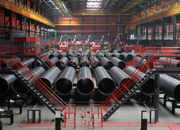 Threeway Steel is known as a professional supplier engaged in manufacturing and distributing a wide range of steel pipe, and our headquarter located the central part of China – Hunan and six associated factories throughout China.
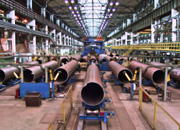 Threeway Steel is known as a professional supplier engaged in designing, manufacturing and distribution of a wide range of steel products with the headquarter located the central part of China – Hunan and six associated factories throughout China.
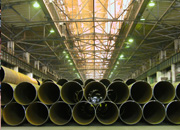 Threeway Steel is known as a professional supplier engaged in designing, manufacturing and distribution of a wide range of steel products with the headquarter located the central part of China – Hunan and six associated factories throughout China.
 Threeway Steel is known as a professional supplier engaged in designing, manufacturing and distribution of a wide range of steel products with the headquarter located the central part of China – Hunan and six associated factories throughout China.
 Threeway Steel is known as a professional supplier engaged in designing, manufacturing and distribution of a wide range of steel products with the headquarter located the central part of China – Hunan and six associated factories throughout China.